
Golf Tracker and Swing Analyzer

How to Use Technology to Measure Swing Tempo

Introduction Golfers often talk about “feeling” the right tempo, but feeling alone doesn’t always deliver consistency. That’s where technology comes in. With modern tools, you can now measure swing tempo accurately, analyze your rhythm, and make data-driven adjustments to your swing. Whether you’re a beginner or an experienced player, learning how to use technology to measure swing tempo can take your timing and control to a professional level. Why Measuring Swing Tempo Matters Swing tempo controls how well your motion stays in sync. If your backswing and downswing are out of rhythm, you’ll struggle with contact and consistency. Measuring tempo allows you to identify patterns — too fast, too slow, or inconsistent — so you can refine your timing with precision. Understanding Swing Tempo Ratios The most common tempo ratio for pros is 3:1 — meaning the backswing takes three times as long as the downswing. For example, if your backswing lasts 0.9 seconds, your downswing should take 0.3 seconds. Technology helps you record this timing accurately, revealing how close your swing matches the ideal rhythm. Top Devices That Measure Swing Tempo 1. Blast Motion Swing Analyzer This small sensor attaches to your club’s grip and connects to an app. It tracks tempo, timing, and even transition speed.Why it’s great: Real-time feedback with a clean visual display of tempo ratios for each swing. 2. Garmin Approach R10 A portable launch monitor that not only measures ball data but also tracks swing tempo.Pro feature: Combines tempo data with launch metrics so you can see how rhythm impacts ball flight. 3. Arccos Caddie Smart Sensors These club sensors record every swing automatically during play.Why it helps: You can analyze tempo consistency over multiple rounds, not just during practice. 4. Sportsbox AI or 3D Motion Apps These use your phone’s camera and AI technology to create a 3D model of your swing.Why it’s useful: You can visually analyze rhythm, sequencing, and movement timing without extra hardware. How to Use a Swing Tempo Analyzer The more you practice with tempo feedback, the faster your rhythm becomes second nature. Pairing Technology with Practice Simply collecting numbers isn’t enough. Use your data to create a rhythm plan: Over time, these corrections translate directly to more consistent ball striking. How Tempo Technology Improves Consistency Technology removes guesswork. Instead of wondering why your shots feel off, you’ll know exactly where your tempo breaks down. You can track progress, compare swings from one session to another, and adjust in real time — just like professionals do. Apps That Help Train Rhythm These tools let you train anywhere — at the range, at home, or even in your backyard. Using Smartwatches for Swing Tempo Many modern smartwatches now feature swing tempo functions. Devices like the Garmin Approach S70 or Apple Watch with golf apps can capture motion data without external sensors. The convenience means you can check tempo instantly after every swing. Combining Data with Feel While technology provides numbers, your swing should still feel natural. The key is to blend data-driven awareness with physical feedback. Once you know your ideal tempo ratio, focus on replicating that rhythm through feel — not just reading numbers. Common Mistakes When Using Technology Use technology as a guide — not a crutch — to refine rhythm and build trust in your swing. Conclusion Technology has revolutionized how golfers train. Instead of guessing your rhythm, you can now measure swing tempo precisely and track improvement over time. Tools like swing analyzers, smart sensors, and mobile apps give instant feedback that turns timing into a measurable skill. The more you use these devices, the more consistent and confident your swing becomes. Embrace the tools pros use, blend them with mindful practice, and watch your tempo — and your scores — improve. FAQ Q1: What is the best ratio for swing tempo?Most pros maintain a 3:1 backswing-to-downswing ratio. Q2: Do I need expensive tech to measure tempo?No. Many smartphone apps now provide accurate tempo data for free or at low cost. Q3: Can tempo analyzers help beginners?Absolutely. Beginners benefit most by developing consistent rhythm early on. Q4: How often should I measure my tempo?Regularly — every few practice sessions helps monitor and maintain rhythm. Q5: Does measuring tempo also help short game?Yes. Smooth tempo improves putting, chipping, and wedge play consistency.

How to Use Technology to Measure Swing Tempo Read More »

How to Fix an Inconsistent Swing Tempo

Introduction Every golfer knows the feeling — one hole you stripe it down the fairway, the next you’re spraying it all over. More often than not, the issue isn’t your mechanics; it’s your swing tempo. Tempo is the rhythm that holds your swing together, balancing speed, control, and timing. When it gets off, your entire motion unravels. The good news? Anyone can learn to develop a smooth, repeatable rhythm. This guide will show you how to fix an inconsistent swing tempo so you can swing with confidence and control. What Is Swing Tempo in Golf? Swing tempo is the ratio between your backswing and downswing speed. A balanced tempo means your swing feels natural and repeatable. Most great golfers maintain a rhythm close to 3:1 — the backswing takes about three times longer than the downswing. It’s not about slowing down or speeding up; it’s about staying consistent. Why Inconsistent Tempo Hurts Your Game An inconsistent tempo leads to: Tempo inconsistency usually shows up under pressure or fatigue — when golfers start “rushing” or “steering” the club. Step 1: Identify Your Natural Tempo Every golfer has a unique rhythm. Some swing smoothly, others more aggressively — both can work if they’re consistent. Start by hitting a few shots at half speed. Notice what feels natural when you make solid contact. That’s your personal baseline tempo. Step 2: Use the “3:1” Tempo Rule This classic tempo ratio keeps your swing balanced. This helps synchronize your backswing and downswing so you maintain rhythm from start to finish. Step 3: Practice with a Metronome or Tempo App Modern golf training tools can help you groove a reliable rhythm. Set a metronome or use a tempo training app to maintain consistent beats during practice swings. Many players find a tempo around 75–85 BPM matches a smooth full swing. Step 4: Focus on Your Breathing Breathing is directly tied to tempo. When you hold your breath, tension builds and your swing speeds up. Before every shot, take a slow breath in during your setup and exhale just before swinging. This calms your rhythm and keeps your motion fluid. Step 5: Use a Pre-Shot Routine A consistent pre-shot routine helps stabilize tempo. Watch any tour pro — they perform the same sequence before every shot. Try this: Repeating this sequence teaches your body to trust its rhythm under pressure. Step 6: Train with the “Count Drill” This drill builds rhythm awareness: The steady rhythm prevents you from jerking the club or rushing your transition. Step 7: Use Video or Tempo Trackers Use a swing analyzer, smartwatch, or video recording to measure your tempo ratio. Apps like Blast Golf or Garmin Golf Swing Tempo can show if your rhythm stays consistent between swings. Small adjustments based on data help reinforce better tempo habits. Step 8: Start Slow, Then Build Speed Many golfers think they need to swing faster to hit farther. The opposite is true — smoother tempo creates better sequencing and energy transfer. Practice slow, balanced swings first, then gradually add speed while keeping rhythm steady. Step 9: Incorporate Tempo Drills on the Range Try these range-tested tempo drills: These simple exercises retrain your body for smooth, repeatable movement. Step 10: Keep Tempo the Same Across All Clubs Your tempo shouldn’t change between driver, irons, and wedges. The swing’s length and speed vary, but the rhythm should feel identical. Consistent tempo leads to consistent results across your entire bag. The Mental Side of Swing Tempo Most tempo problems come from mental tension, not physical mistakes. When you get anxious, your swing speeds up. Learn to trust your rhythm, not force it. A relaxed tempo leads to natural power and better shot control. Conclusion An inconsistent tempo can sabotage even the best swing mechanics. The secret isn’t swinging harder — it’s swinging smoother. By applying these steps — breathing, counting, and practicing with tempo tools — you’ll develop a reliable rhythm that holds up under pressure. Remember, golf is about timing, not speed. Master your tempo, and you’ll master your swing. FAQ Q1: What’s the ideal tempo ratio for most golfers?A 3:1 backswing-to-downswing ratio works for nearly all players. Q2: Can a slow tempo cause bad shots?Yes, if it becomes too slow and disrupts your timing. The goal is smooth, not sluggish. Q3: How long does it take to fix tempo issues?With consistent drills, most golfers improve within a few practice sessions. Q4: Should I change tempo for short shots?No, keep the same rhythm but shorten the motion. Consistency is key. Q5: Do pros use tempo training tools?Yes. Many use metronomes, tempo trainers, or swing apps to fine-tune their rhythm.

How to Fix an Inconsistent Swing Tempo Read More »

Best Drills to Fix Swing Tempo and Improve Consistency

Introduction Even the best golf swings fall apart without rhythm. You might have perfect mechanics, but if your tempo is off, you’ll hit thin shots, hooks, and slices. A smooth, balanced rhythm keeps your swing consistent from start to finish. Fortunately, you can train that rhythm with the right drills. In this guide, we’ll cover the best drills to fix swing tempo and improve consistency, so you can find your natural rhythm and make every swing feel effortless. Why Swing Tempo Matters Tempo is the heartbeat of your swing. It’s the timing that connects your backswing and downswing. When it’s consistent, your swing repeats naturally. When it’s off, everything feels rushed or out of sync. Great players—from Tiger Woods to Ernie Els—maintain incredible tempo under pressure. The good news? You can, too. The Ideal Swing Tempo Ratio Most consistent golfers follow a 3:1 ratio — the backswing takes three times longer than the downswing. This doesn’t mean swinging slowly; it means controlling rhythm. Whether you swing fast or smooth, the key is maintaining the same ratio on every shot. Drill #1: The Count Drill This simple exercise helps internalize the right pace. How to do it: This drill improves timing between takeaway, transition, and impact. Drill #2: The Pause at the Top Drill If you tend to rush your downswing, this drill is a game-changer. How to do it: The pause trains patience and prevents jerky transitions, leading to better rhythm and solid contact. Drill #3: The Feet-Together Drill A classic balance and tempo builder. How to do it: This drill eliminates excessive speed and helps you feel connection between your upper and lower body. Drill #4: The Metronome Drill A metronome (or tempo app) helps you find and repeat your ideal rhythm. How to do it: You’ll develop a swing that’s consistent and calm under pressure. Drill #5: The One-Handed Swing Drill This builds rhythm, timing, and coordination. How to do it: Repeat with your trail hand, then swing with both hands while maintaining the same smooth rhythm. Drill #6: The Tempo Stick Drill If you have a weighted club or alignment stick, this drill improves sequencing. How to do it: This helps synchronize your arms and body through impact. Drill #7: The “L-to-L” Drill Perfect for irons and wedges, this drill develops fluid motion. How to do it: The goal is even tempo — not speed — from backswing to follow-through. Drill #8: The Half-Swing Drill One of the easiest ways to regain tempo when things go off the rails. How to do it: This drill builds trust in your timing and contact. Drill #9: The Eyes-Closed Drill For advanced players looking to improve feel and flow. How to do it: Removing vision heightens body awareness and teaches rhythm by feel. Drill #10: The 3-Ball Tempo Challenge A great way to test your rhythm on the range. How to do it: This helps you find the tempo that works best for your natural rhythm. How to Keep Your Tempo Consistent on the Course Small habits like these help transfer your practice tempo to the course. Conclusion A consistent swing tempo is the key to repeatable golf. These tempo drills aren’t about swinging slower or faster — they’re about finding your rhythm and trusting it. Whether you’re practicing in the backyard or on the range, spend time on these exercises. Soon, your swing will feel balanced, powerful, and repeatable from first tee to final putt. FAQ Q1: How often should I practice swing tempo drills?At least 2–3 times per week for best results. Q2: Can tempo drills help increase distance?Yes — a smooth, consistent tempo improves energy transfer for more power. Q3: Should tempo be the same for all clubs?Yes. The length changes, but the rhythm should feel identical. Q4: What’s the fastest way to fix poor tempo?Start with the Count Drill and Metronome Drill to rebuild timing quickly. Q5: Do professionals work on tempo regularly?Absolutely. Tour players practice rhythm drills constantly to stay consistent under pressure.

Best Drills to Fix Swing Tempo and Improve Consistency Read More »

Choosing the Right Golf Ball Compression for Your Swing

Introduction Every golfer wants more distance, better control, and consistent performance. Yet many overlook one of the most important factors in golf ball selection—compression. Simply put, compression refers to how much a golf ball deforms at impact. Selecting the wrong compression rating for your swing speed can cost you both distance and accuracy. By choosing the right golf ball compression for your swing, you unlock more consistency and confidence on every shot. What Is Golf Ball Compression? Compression measures the density of a golf ball’s core and how much it compresses when struck. Ratings typically range from 30 to 120. Lower numbers indicate softer balls that compress more easily, while higher numbers indicate firmer balls requiring faster swing speeds. Why Compression Matters When your swing speed matches the ball’s compression, energy transfers efficiently from clubface to ball. This creates optimal launch, distance, and spin. If compression doesn’t match your swing, shots feel awkward, travel inconsistently, and often fall short. Low Compression Golf Balls (30–70) Mid Compression Golf Balls (70–90) High Compression Golf Balls (90–120) How to Match Compression to Your Swing Speed Testing multiple options at your swing speed helps you fine-tune feel and performance. The Role of Compression in Distance Control A ball that’s too firm for your swing speed won’t compress enough, leading to shorter shots. On the other hand, a ball that’s too soft may over-compress, causing ballooning flights and unpredictable distances. Matching compression ensures more consistent yardages throughout your bag. Compression and Feel Around the Greens While compression is most noticeable off the tee, it also affects short game performance. Lower compression balls tend to feel softer off the putter and wedges, while higher compression balls feel firmer but may deliver more precise spin for skilled players. Common Mistakes Golfers Make with Compression Each mistake leads to inconsistency and prevents you from finding your true performance match. How to Test Compression for Your Swing Confidence Boost From the Right Compression When your golf ball matches your swing, shots feel effortless. Drives fly farther, approaches hold greens, and putts feel more natural. This builds confidence, helping you focus on your game instead of second-guessing your equipment. Conclusion Golf ball compression isn’t just a technical detail—it’s one of the most important factors in performance. By choosing the right golf ball compression for your swing, you maximize distance, improve consistency, and gain confidence from tee to green. Don’t just play any ball—find the compression that matches your swing speed, and watch your scores drop. FAQ Q1: Can beginners benefit from low compression balls?Yes. Low compression balls help slower swing speeds gain distance and improve feel. Q2: How do I know my swing speed?Use a launch monitor, swing analyzer, or visit a fitter for an accurate measurement. Q3: Do high compression balls always spin more?Not always, but they provide more stability and control for faster swingers. Q4: Should I use the same compression for all clubs?Yes. Play one ball consistently across your bag for predictable performance. Q5: How often should I recheck my compression needs?Every few years, or whenever your swing speed changes significantly.

Choosing the Right Golf Ball Compression for Your Swing Read More »

Effects of the Wrong Lie Angle on Your Golf Swing

Effects of the Wrong Lie Angle on Your Golf Swing When it comes to golf, small details can make a big difference. One of the most overlooked aspects of your golf clubs is the lie angle—the angle formed between the shaft of the club and the ground when the sole rests flat at address. If your lie angle is off, even by a couple of degrees, it can have a major impact on your ball flight, accuracy, and overall consistency. Let’s break down what happens when your clubs have the wrong lie angle and why getting it right is crucial for your swing. What Is Lie Angle? The lie angle is the tilt of the golf club shaft compared to the ground when the club is placed properly at address. Ideally, the sole of the club should make even contact with the ground during impact. If it doesn’t, problems occur. Why Lie Angle Matters The lie angle directly influences the direction of your ball flight. Even if you make a perfect swing, the wrong lie angle can send your shot left or right of target. Unlike loft, which controls trajectory and distance, lie angle controls aim and accuracy. Effects of a Lie Angle That Is Too Upright When the toe of the club is off the ground at impact (upright angle), the heel digs into the turf. This is common among golfers who are shorter or use clubs designed for taller players without adjustments. Effects of a Lie Angle That Is Too Flat When the heel of the club is off the ground at impact (flat angle), the toe digs into the turf. This often affects taller golfers or those with a more upright posture using clubs built for shorter players. Impact on Distance Control A wrong lie angle doesn’t just affect direction—it also reduces distance. Off-center strikes from digging heels or toes lower ball speed and spin efficiency, costing you precious yards. Turf Interaction Problems When the sole doesn’t sit flush: This can affect confidence and rhythm in your swing. Effects on Ball Striking Consistency Consistency is everything in golf. If your clubs don’t match your natural setup, even a repeatable swing produces inconsistent results. That’s why lie angle is critical for repeatable ball striking. Signs Your Lie Angle Might Be Wrong The Role of Swing Mechanics While lie angle is equipment-related, it interacts with your swing. Players with more upright swings may need flatter clubs, while flatter swings may require more upright lies. Fitting balances your mechanics with your equipment. Adjustable vs. Fixed Lie Angles How a Club Fitting Solves the Problem Professional club fitting uses lie boards, impact tape, and launch monitors to measure your swing. Fitters adjust lie angles so that your club’s sole meets the turf evenly at impact, ensuring straighter, more consistent shots. Lie Angle and Different Clubs Common Mistakes Golfers Make Correcting Lie Angle Issues Long-Term Benefits of Proper Lie Angle Conclusion The wrong lie angle can quietly sabotage your golf swing, turning good swings into frustrating misses. Whether too flat or too upright, the consequences are the same: lost accuracy, reduced distance, and inconsistent ball striking. The good news is that lie angle can be adjusted, and a professional fitting ensures your clubs match your body and swing. If you want straighter shots and more consistency, getting your lie angle checked is one of the smartest moves you can make. FAQ What happens if my lie angle is too upright?Your shots will often miss left (for right-handed players), leading to pulls and hooks. What happens if my lie angle is too flat?Your shots will tend to miss right, often resulting in pushes and slices. How do I know if my lie angle is wrong?Check your divots. If they’re deeper on the heel or toe side, or if you consistently miss left or right despite a solid swing, your lie angle may be off. Can lie angle be adjusted on all clubs?Most irons and wedges can be bent to adjust lie angle. Drivers and woods usually have limited or adjustable hosel settings. How often should I check my lie angle?Every couple of years, or anytime your swing changes significantly, it’s wise to recheck your club fitting.

Effects of the Wrong Lie Angle on Your Golf Swing Read More »

Self-Assessment Tips for Better Golf Club Fitting

Introduction Golfers often rush into professional fittings without first understanding their own swing. While expert fitters use advanced tools, you can still make a huge difference by performing a simple self-assessment. These insights help you walk into a fitting prepared, saving time and ensuring your clubs are matched to your natural game. By learning self-assessment tips for better golf club fitting, you take control of your equipment choices and build confidence before you even step into a fitting bay. Why Self-Assessment Matters in Golf Club Fitting Professional fitters rely on data, but you know your swing habits best. Paying attention to common patterns—like whether you slice, hook, or top shots—guides the fitting process. More importantly, self-awareness helps you avoid blaming your swing for what is often an equipment issue. Tip #1: Track Your Ball Flight Patterns Pay close attention to the shape of your shots: By tracking your tendencies, you provide valuable information to your fitter. Tip #2: Examine Your Divots Divots reveal how the club interacts with the turf: This simple observation helps narrow down iron designs that fit your swing style. Tip #3: Measure Your Posture and Comfort Stand naturally at address. If you feel hunched, the clubs might be too short. If you’re reaching, they might be too long. Proper posture ensures your body and clubs are working together instead of against each other. Tip #4: Test Your Grip Size Grips play a bigger role than most golfers think: Wrap your hands around the grip. If your fingertips dig too much into your palm, it’s undersized. If there’s no contact at all, it’s oversized. Tip #5: Check Swing Speed Swing speed is critical for shaft selection. While you might not have a launch monitor, you can estimate: Knowing your swing speed guides shaft choice before testing. Tip #6: Note Missed Shot Patterns Ask yourself: what is your most common miss? Do you thin the ball, hit fat shots, or block it right? Each miss provides clues: Patterns show whether clubs amplify or correct your swing flaws. Tip #7: Test Distance Gapping Between Clubs Hit several shots with your irons and track yardages. If your 7-iron and 8-iron go nearly the same distance, the lofts or shafts may not suit you. Proper gapping ensures consistent spacing between clubs for smarter course management. Tip #8: Watch for Fatigue If you tire quickly when hitting balls, your shafts may be too heavy. Clubs should feel like an extension of your body, not a burden. A self-check for fatigue prevents choosing clubs that wear you out mid-round. Tip #9: Observe Your Putter Stroke Even before a fitting, you can check your putting style: Identifying your natural stroke path makes a putter fitting faster and more accurate. Tip #10: Keep a Swing Journal Document your on-course and practice experiences. Track shot patterns, comfort levels, and club performance. Bringing this journal to a fitting session provides your fitter with real-world context. The Benefits of Self-Assessment Before Fitting When you know your swing tendencies, the fitting becomes more personalized and results-driven. Conclusion Self-assessment isn’t about replacing professional fitting—it’s about preparing for it. By tracking ball flight, divots, grip comfort, and swing speed, you give your fitter the best starting point. Ultimately, these self-assessment tips for better golf club fitting ensure your clubs match your natural game, helping you play with more confidence, consistency, and enjoyment. FAQ Q1: Can self-assessment replace professional fitting?No. Self-assessment prepares you, but professional technology fine-tunes the details. Q2: How accurate are self-checks for swing speed?They’re estimates, but they help narrow down shaft options before testing. Q3: Should beginners self-assess before fitting?Yes. Beginners benefit by learning their tendencies and avoiding bad habits. Q4: What’s the easiest self-assessment tip to start with?Tracking ball flight is the simplest and most revealing first step. Q5: How often should I reassess my swing?Every season or whenever you notice big changes in performance.

Self-Assessment Tips for Better Golf Club Fitting Read More »

Common Mistakes Golfers Make with Club Fitting

Introduction Golfers spend hours practicing swings, watching tutorials, and trying to improve their scores. Yet many overlook one of the most important aspects of the game: proper club fitting. Even when golfers get fitted, they often make mistakes that limit the results. Understanding these errors helps you avoid wasting money and ensures that your equipment truly matches your swing. Mistake #1: Skipping Club Fitting Altogether The biggest mistake is ignoring club fitting entirely. Too many golfers buy clubs off the rack, assuming they’ll adapt. While this might work for some, most players struggle with accuracy, distance, and consistency because their clubs don’t match their swing. Mistake #2: Focusing Only on the Driver Many golfers believe only the driver needs to be fitted. However, irons, wedges, hybrids, and even putters play crucial roles in scoring. A driver fitting might add distance, but poor-fitting irons or wedges still cost strokes on approaches and short game. Mistake #3: Ignoring Shaft Flex and Weight Shafts are often overlooked during fittings. Choosing the wrong flex or weight throws off timing, causing slices, hooks, or inconsistent contact. Matching shaft flex to swing speed ensures the club delivers maximum energy to the ball. Mistake #4: Not Paying Attention to Lie Angle Lie angle determines how the club sits at impact. If it’s too upright, shots pull left; if it’s too flat, they push right. Many golfers accept these misses as swing flaws, when in fact the club is the problem. Mistake #5: Forgetting About Grip Size Grips affect control more than most realize. Too small, and your hands over-rotate. Too large, and you block shots. During a fitting, many golfers overlook this simple adjustment that could immediately improve accuracy. Mistake #6: Choosing Looks Over Performance Some golfers pick irons because they “look sleek” or drivers because they’re popular on tour. While appearance matters, performance matters more. A set that complements your swing style is far more valuable than a club that looks good in the bag. Mistake #7: Not Considering Swing Style Steep swingers, sweepers, and neutral swingers need different club designs. A player who digs deep divots will benefit from wider soles, while sweepers need thinner soles for cleaner turf interaction. Ignoring swing style leads to constant mis-hits. Mistake #8: Overlooking Wedge Gapping Many golfers buy wedges without thinking about loft spacing. Improper gapping creates overlaps or large distance gaps, making scoring shots inconsistent. Proper wedge fitting ensures smooth transitions between clubs. Mistake #9: Not Testing Different Options During fittings, some golfers accept the first club recommended. The smarter approach is to test multiple shafts, heads, and lofts. By comparing, you find the best option—not just a good one. Mistake #10: Forgetting About the Putter The putter accounts for nearly 40% of strokes, yet it’s the least-fitted club in most bags. A poorly fitted putter can cause alignment issues and poor distance control. Skipping a putter fitting is leaving strokes on the green. Mistake #11: Not Updating Clubs Regularly Swings evolve over time. What fit perfectly three years ago may not work today. Aging, strength changes, and flexibility shifts all affect your swing. Ignoring updated fittings keeps you stuck with mismatched clubs. Mistake #12: Ignoring Launch Monitor Data During fittings, launch monitors provide valuable insights on spin, launch angle, and ball speed. Some golfers rely only on feel, ignoring the data. Combining both ensures the most accurate fitting results. Mistake #13: Fitting on a “Good Swing Day” Only If you get fitted on a rare day when your swing feels perfect, results might not reflect your true average. It’s better to fit based on your typical swing, not your best one, to ensure clubs suit everyday play. Mistake #14: Skipping Professional Help DIY fitting is possible, but it often misses key details like lie angle adjustments or swing weight. Professional fitters bring expertise and technology to pinpoint exact needs. Skipping their help often means settling for less-than-perfect results. Conclusion Club fitting is one of the smartest investments a golfer can make—but only if it’s done correctly. Avoiding these common mistakes ensures you get the most from your equipment. From grip size to shaft flex and putter fitting, every detail matters. Remember, properly fitted clubs don’t just improve distance—they improve confidence, accuracy, and consistency. FAQ Q1: How often should I get fitted for clubs?Every 2–3 years, or sooner if your swing changes significantly. Q2: Is club fitting worth it for beginners?Yes. Beginners benefit from learning with equipment that suits their swing. Q3: Can I fit just one club at a time?Absolutely. Start with your driver or irons and expand later. Q4: Do I need new clubs for fitting?Not always. Sometimes adjusting lie angle, loft, or grip on your current clubs is enough. Q5: How long does a full fitting take?Usually between 1–2 hours, depending on how many clubs you’re fitting.

Common Mistakes Golfers Make with Club Fitting Read More »

Voice Caddie

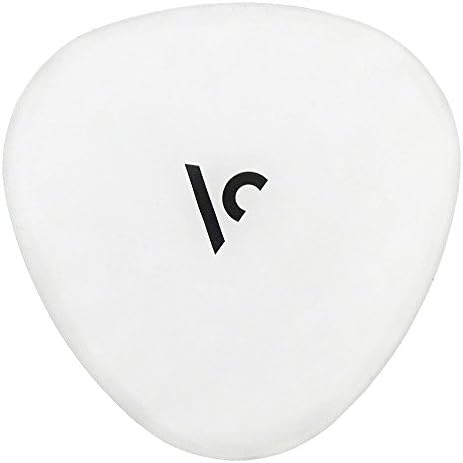
Voice Caddie VC300SE Voice Golf GPS, White, One Size (VC300SE_WH)

This product has a 4.5 out of 5 rating as of this posting. Check Price on Amazon! Automatic course and hole recognition; unique swing tempo function for better swing rhythm (golf metronome system); shot distance measurement; lightest and smallest among gps range finders; choice of 8 different spoken languages. Is Discontinued By Manufacturer ‏ : ‎ No Product Dimensions ‏ : ‎ 6 x 8 x 4 inches; 6.4 Ounces Item model number ‏ : ‎ VC300SE_WH Department ‏ : ‎ unisex-adult Batteries ‏ : ‎ 1 Lithium Ion batteries required. (included) Date First Available ‏ : ‎ March 23, 2017 Manufacturer ‏ : ‎ Voice Caddie ASIN ‏ : ‎ B06XT1BDYV Country of Origin ‏ : ‎ Korea, Republic of Free and easy to update Automatic course and hole recognition The vc300 automatically recognizes the course and hole so that you can focus on your game Included components: Battery Check Price on Amazon!

Voice Caddie VC300SE Voice Golf GPS, White, One Size (VC300SE_WH) Read More »

golf swing analyzer app

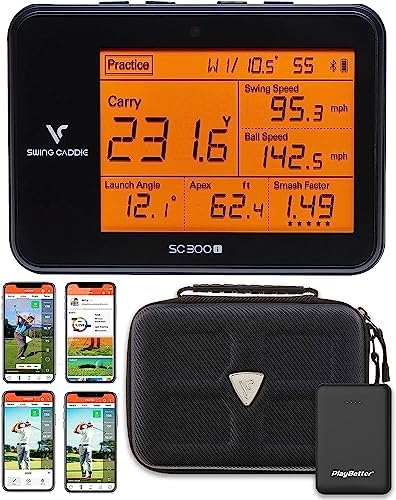
PlayBetter Swing Caddie SC300i Golf Launch Monitor by Voice Caddie | Official Accessories Bundles | Choose from Protective Case, Charger, Gift | Carry/Total Distance, Smash Factor, Ball Speed

This product has a 4.5 out of 5 rating as of this posting. Check Price on Amazon! Know Your Swing And Ball Flight Metrics with the Swing Caddie SC300i Introducing the refresh of Voice Caddie’s popular SC300 golf launch monitor — the Swing Caddie SC300i. Featuring upgraded Doppler radar sensors and an upgraded app and taking player feedback and smoothing the rough edges of the SC300, this unit keeps with Voice Caddie’s mission of providing affordable, professional-grade launch ball tracker monitors while Imagine getting all of the SC300i’s immense amount of data overlayed onto a video of YOUR OWN SWING! That is now possible with the SC300i and the new Voice Caddie app. MySwingCaddie App All of your swing data and videos stored inside the MySwingCaddie App (as well as data within the device). With a clean, inviting interface and layout, users can quickly review and compare session data and shot videos. Analyze Your Data with Swing Video In practice mode, the golfer can record swing video with overlay shot data. Recorded videos can be shared (SNS, messenger). You can check the saved shot data and video in App. Product Features: Measures: Carry/Total Distance, Smash Factor, Launch Angle, Swing Speed, Apex (Max Height), and Ball Speed Doppler Radar Technology Voice Output of Distance Instant Feedback via LCD Display Adjustable Loft Angles Apps (iOS & Android) for Real-time/Integrated Shot Data and Statistics for Each Club Unit does not require the App to operate Spin Data now available via App Measuring Range: 10-370 Yds Color: Black Size: 6.5 x 4.5 x 1 (inch) Display: 5.3″ LCD Frequency: K Band 24 GHz Battery Type: Li-Polymer Battery Life: Up to 20 Hours Accuracy: ± 2% (Ball speed); ± 3 yards (Carry distance in target mode); and ± (Carry distance in practice mode) Positioning: Placed approximately 1.5 meters (5ft) directly behind the ball [MEASURE YOUR SHOT’S IMPACT] – Practice your game with this golf swing tracker provides measures of your Carry/Total Distance, Smash Factor, Launch Angle, Swing Speed, Apex (Max Height), and Ball Speed. A must-have golf training device on the course. [GET PRECISE AND REAL-TIME DATA] – This Voice Caddie golf swing speed monitor provides uncompromising precision together with the calibrating atmospheric pressure sensors and connects via Bluetooth to track their real-time integrated data. [EASILY HEAR YOUR DISTANCES] – Play smoothly with this golf launch monitor portable device offering the highest levels of user convenience with its voice output and remote control. Enjoy up to 20 hours of battery life and measuring range of 10-370 yards. [LAUNCH MONITOR ESSENTIALS] – Keep your Swing Caddie SC300i protected with the Voice Caddie Hard Carrying Case and all your electronics fully charged at all times on the range or course with our powerful PlayBetter Portable Charger! Check Price on Amazon!

PlayBetter Swing Caddie SC300i Golf Launch Monitor by Voice Caddie | Official Accessories Bundles | Choose from Protective Case, Charger, Gift | Carry/Total Distance, Smash Factor, Ball Speed Read More »

golf swing analyzer

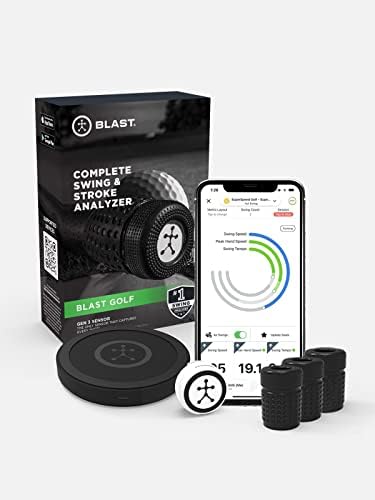
Blast Speed Analyzer Pack – SuperSpeed Golf | Club Head Speed Sensor | Features Air Swing Mode | Analyzes Full Swing, Short Game, Putting | Slo-Mo Video Capture | App Enabled (iOS and Android)

This product has a 4 out of 5 rating as of this posting. Check Price on Amazon! Product Description TRUSTED BY THOUSANDS OF AMATEURS AND PROS – The #1 Swing Analyzer in the game combined with the #1 Swing Speed Training System in the game. Used by hundreds of tour pros, top coaches, and thousands of amateur golfers. Engineered to deliver unreal results at every level, for every part of your game. FIRST OF IT’S KIND AIR SWING MODE – Developed with SuperSpeed Golf, Blast now also tracks your swing and stroke even while not hitting a ball. No manual or voice entry required. TECH MADE EASY – Attach the Blast swing and stroke analyzer (sensor) to the end of any SuperSpeed 3 club Overspeed training set, golf club or putter. Blast’s natural motion capture allows golfers to swing the club or roll putts and forget about the technology. SMART VIDEO CAPTURE – Record and automatically clip video of each swing and stroke. View and analyze in slow motion with metrics overlaid. Leverage the in-app Training Center for tips and drills from expert coaches and PGA Tour players. Check Price on Amazon!

Blast Speed Analyzer Pack – SuperSpeed Golf | Club Head Speed Sensor | Features Air Swing Mode | Analyzes Full Swing, Short Game, Putting | Slo-Mo Video Capture | App Enabled (iOS and Android) Read More »