
Golf Tips and Tricks

Welcome to our esteemed articles section – where every piece is a journey down the lush green paths of golfing mastery. This is a space carved with meticulous precision, just like your favorite golf course, offering a refined selection of articulate, insightful, and enriching articles tailored for golf enthusiasts of all calibers.

Why a Fitted Putter Can Transform Your Putting

Introduction Ask any golfer what part of the game costs them the most strokes, and many will say putting. It’s the simplest motion in golf, yet also the trickiest. Often, the problem isn’t your technique—it’s your equipment. A fitted putter can transform your putting because it matches your stroke, posture, and grip, making every roll smoother and more consistent. If you’ve been struggling with short misses or poor distance control, your putter fit might be the hidden issue. The Importance of Putter Fitting Unlike drivers or irons, putters don’t rely on power—they rely on precision. Even the slightest misalignment or improper shaft length throws off direction and distance. A fitted putter ensures that the setup feels natural, allowing your stroke to flow without adjustments. When the equipment matches you, confidence grows. How a Fitted Putter Improves Performance 1. Proper Length for Your Setup If your putter is too long, you stand too upright, causing inconsistency in your stroke path. Too short, and you hunch over, leading to poor alignment. The right length promotes comfortable posture and repeatable strokes. 2. Correct Lie Angle Lie angle determines how the putter sole sits on the ground. If the toe or heel is up at impact, the ball veers offline. A proper lie angle keeps the putter square, rolling the ball straight. 3. Matching Head Style to Stroke Type Choosing the wrong head type forces unnatural compensations. The right head style, however, works with your natural stroke. 4. Grip Size and Feel Grip affects control. Oversized grips steady shaky hands and reduce wrist movement. Standard grips allow more feel. Matching grip size to preference and stroke helps stabilize the putter at impact. 5. Weight and Balance Too heavy slows your stroke, too light makes distance control difficult. Fitting balances the putter to your tempo, improving pace and consistency. Common Problems a Fitted Putter Fixes By addressing these issues, a fitted putter saves strokes where they matter most—on the green. The Mental Boost of a Fitted Putter Putting is largely mental. Confidence breeds success. When you know your putter fits your stroke perfectly, you stop second-guessing. Instead, you focus on reading greens and trusting the stroke. That shift alone can lower your putts per round dramatically. Professional Putter Fitting Process During a fitting, professionals analyze: Using this data, they recommend adjustments in length, lie, loft, head design, and grip. The result is a putter that feels like an extension of your hands. DIY Checks Before a Fitting Real Results From a Fitted Putter Golfers often report immediate improvements in putts per round after getting fitted. Some cut 3–5 strokes without changing technique, simply because their putter now works with them instead of against them. Conclusion Putting makes up nearly 40% of your strokes, so why leave it to chance? A fitted putter transforms your putting by improving alignment, consistency, and confidence. With the right length, lie angle, grip, and head style, you eliminate compensations and free up your stroke. If you’re serious about lowering scores, investing in a putter fitting might be the smartest move you’ll ever make. FAQ Q1: Is a fitted putter only for pros?No. Every golfer, from beginner to advanced, benefits from a putter that matches their stroke. Q2: How much does a putter fitting cost?Most fittings cost between $50 and $150, depending on location and technology. Q3: Can the wrong putter hurt my game?Yes. Misfit putters cause alignment issues, poor distance control, and lack of confidence. Q4: How long does a putter fitting take?Usually 30–60 minutes with a professional fitter. Q5: Do I need to buy a new putter after fitting?Not always. Sometimes minor adjustments to grip, loft, or lie angle can fix your current putter.

Why a Fitted Putter Can Transform Your Putting Read More »
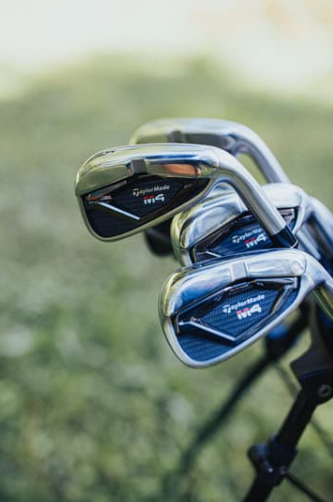
How to Select the Right Irons for Your Swing Style

Introduction Every golfer knows the thrill of flushing an iron shot and the frustration of a mis-hit. But here’s the truth: it’s not always your swing at fault. More often than not, the irons in your bag determine how well you strike the ball. Learning how to select the right irons for your swing style can make the difference between inconsistent play and steady improvement. Why the Right Irons Matter Irons are used for nearly every type of shot—approaches, layups, punch-outs, and more. Because they’re so versatile, the wrong set of irons magnifies your weaknesses, while the right set enhances your natural swing style. Choosing correctly means more greens in regulation, tighter dispersion, and ultimately lower scores. Understanding Swing Styles Before selecting irons, identify your swing type: Knowing your swing style helps you pick irons designed to complement your motion. Forgiveness vs. Workability Game-Improvement Irons Best for beginners or high handicappers. They feature larger clubheads, wider soles, and perimeter weighting for forgiveness. Perfect if your priority is consistency. Players Irons Favored by low handicappers. They’re compact with thinner top lines and less offset, designed for precision and shot-shaping rather than forgiveness. Players Distance Irons A blend of both worlds. These offer some forgiveness while maintaining a sleek look and workable feel. Ideal for mid-handicappers looking to advance. Shaft Considerations The shaft is just as important as the head. Lie Angle and Accuracy Lie angle dictates direction. Too upright sends shots left, too flat pushes them right. Even a degree or two off can cost accuracy. A fitting ensures your irons sit square at impact, promoting straighter shots. Loft Gapping and Consistency Make sure the lofts between irons are consistent. Modern sets sometimes have stronger lofts, leading to distance overlaps. Proper gapping ensures each club covers a predictable yardage, preventing awkward distance gaps in your bag. Clubhead Design and Swing Style Grip Size and Comfort Grips that are too small cause overactive hands, leading to hooks. Too large, and you’ll block shots. The right grip size improves comfort, consistency, and control across all irons. Custom Fitting: The Smart Choice Professional fittings measure swing speed, ball flight, launch angle, spin, and strike location. With this data, a fitter can recommend the perfect iron specs for your swing style. Even small adjustments like lie angle or shaft weight can save strokes immediately. DIY Iron Selection Tips If you’re not ready for a full fitting, try these checks: The Confidence Factor When irons feel like an extension of your swing, confidence grows. You stop second-guessing and start trusting your mechanics. That mental edge is often the key to breaking through to the next handicap level. Conclusion Selecting the right irons for your swing style isn’t about buying what looks good—it’s about choosing equipment that complements your natural motion. With the right balance of forgiveness, shaft flex, and loft, you’ll hit more greens, control distance better, and gain confidence. In short, the right irons let your swing shine. FAQ Q1: Should beginners get fitted for irons?Yes. Starting with the right irons prevents bad habits and builds confidence early. Q2: What’s the difference between cavity backs and blades?Cavity backs are forgiving and easy to hit, while blades offer precision and workability for advanced players. Q3: Can shaft material affect my swing?Definitely. Graphite adds speed and distance, while steel gives control and feedback. Q4: How often should I replace irons?Every 5–7 years or when technology and your swing evolve. Q5: Can mixed iron sets help?Yes. Many golfers combine game-improvement long irons with players’ short irons for the best of both worlds.

How to Select the Right Irons for Your Swing Style Read More »

Swing Issues Caused by the Wrong Driver Fit

Introduction When golfers struggle off the tee, they often blame their swing. Yet in many cases, the real culprit is the driver itself. The wrong driver fit creates a host of swing issues that make consistency nearly impossible. From slices to hooks to weak ball flights, ill-fitted drivers sabotage distance and accuracy. The good news? With the right fit, those problems disappear, and your driver becomes a weapon instead of a liability. Why Driver Fitting Is Essential The driver is the longest, most powerful club in your bag—and the hardest to control. Because it’s used on nearly every par 4 and par 5, a poor driver fit compounds mistakes. The wrong loft, shaft, or head design changes your swing mechanics, forcing compensations that lead to bad habits. Conversely, a properly fitted driver works with your natural swing, helping you hit more fairways and reduce scores. Common Swing Issues From a Poor Driver Fit Slices Caused by the Wrong Shaft Flex If your shaft is too stiff, it won’t bend enough, leaving the face open at impact. The result is the dreaded slice. On the other hand, if the shaft is too flexible, timing becomes inconsistent, and you might hook the ball badly. Inconsistent Launch From Wrong Loft Loft determines launch angle. Too little loft produces low bullets that dive, while too much loft balloons shots into the air. Either way, distance suffers. Swing Plane Problems From Incorrect Length A driver that’s too long makes it harder to control the swing plane, often causing pushes, pulls, or off-center contact. Too short, and you crouch into an awkward posture that restricts power. Timing Issues From Poor Swing Weight When the driver is too heavy, your swing slows, and you can’t release properly. Too light, and you rush the swing, losing rhythm. Both cause inconsistent strikes and offline shots. How the Wrong Driver Creates Bad Habits Golfers naturally adapt to their equipment. If your driver doesn’t fit, you’ll subconsciously adjust your swing. That might mean changing grip pressure, altering stance, or manipulating the release. Over time, these “fixes” become ingrained habits that are hard to break, even after switching clubs. This is why getting fit early prevents long-term swing flaws. Distance Loss From Ill-Fitted Drivers It’s not just accuracy—you lose yards too. A poorly matched driver robs ball speed and reduces carry. Studies show that an incorrect shaft flex alone can cost 10–20 yards. Combine that with wrong loft or length, and you’re losing distance on nearly every tee shot. The Confidence Factor Confidence off the tee sets the tone for every hole. If you’re constantly fighting slices or mis-hits, frustration builds. With a fitted driver, you swing freely, trusting that the club will deliver. That mental shift often lowers scores as much as the physical improvements. Signs Your Driver Doesn’t Fit If any of these sound familiar, your driver is likely working against you. The Professional Driver Fitting Process During a fitting, experts analyze: Adjustments are then made to shaft flex, loft, lie angle, length, and head design. Once optimized, your swing feels effortless, and the ball flies straighter with more distance. DIY Driver Fit Checks Before a professional fitting, try these quick checks: These clues indicate whether your driver is helping—or hurting—your swing. Conclusion The wrong driver fit creates more than just bad shots—it builds bad habits. From slices to weak launches, every swing issue is magnified by mismatched equipment. Fortunately, a proper driver fitting can fix these problems quickly. With the right shaft, loft, and length, your swing becomes smoother, your confidence returns, and your scores begin to drop. FAQ Q1: Can a driver fitting fix my slice?Yes, a proper shaft flex and lie angle often corrects or reduces slices significantly. Q2: How much distance can I gain from a fitting?Most golfers gain 10–20 yards, plus straighter ball flights. Q3: Do beginners need a fitted driver?Absolutely. Beginners benefit because they won’t form bad habits compensating for poor equipment. Q4: How long does a fitting take?A professional driver fitting usually lasts 45–60 minutes. Q5: Should I get fitted before buying a new driver?Yes. A fitting ensures you choose the right driver for your swing instead of guessing.

Swing Issues Caused by the Wrong Driver Fit Read More »

How Fitted Clubs Help Lower Your Handicap

Introduction Every golfer dreams of shooting lower scores. While practice and strategy are important, one secret weapon is often overlooked: fitted golf clubs lower handicap results faster than most training aids. When your clubs match your body and swing, accuracy improves, distance increases, and confidence soars. Let’s explore how properly fitted clubs can transform your game and help you break through scoring plateaus. Why Custom Fitting Matters Golf isn’t a one-size-fits-all sport. Off-the-rack clubs may look appealing, but they’re built for the “average” player who rarely exists in real life. Because every golfer has unique height, posture, swing speed, and grip style, equipment must adapt to the player—not the other way around. That’s where custom fitting comes in. The Connection Between Fitted Clubs and Handicap Your handicap measures consistency and scoring potential. If you’re struggling with mis-hits, slices, hooks, or distance gaps, your handicap rises. However, once your equipment is tuned to your swing, shots straighten, distances normalize, and scores drop. Simply put, fitted golf clubs lower handicap numbers because they maximize your strengths and reduce costly errors. How Club Length Improves Accuracy and Distance The right length allows you to swing naturally. As a result, you strike the ball flush more often, gaining both accuracy and distance. Over 18 holes, those extra fairways hit translate directly to fewer strokes. Lie Angle and Directional Control Lie angle refers to how the clubhead sits at impact. A club that’s too upright pushes shots left, while one that’s too flat pushes them right. Even one or two degrees off can create major directional misses. When lie angles are fitted correctly, the clubface meets the ground evenly, producing straighter, more predictable ball flights. This means fewer penalty strokes and more greens in regulation. Shaft Flex and Swing Speed Matching The shaft is often called the engine of the club. Matching flex to swing speed is critical: With the right flex, the shaft bends just enough to deliver maximum energy into the ball. This consistency ensures you hit fairways more often and dial in your distances with every club. Grip Size and Control It’s easy to ignore grip size, but it has a massive impact. Oversized grips restrict wrist movement, while undersized grips lead to overactive hands. Both cause accuracy issues. The correct grip size keeps hand action balanced, ensuring the clubface squares up at impact. That alone can shave strokes off your handicap by reducing slices and hooks. Swing Weight and Tempo Swing weight is the balance of the club. Heavy clubs can slow down your swing, while overly light clubs make timing difficult. When weight is properly matched, your tempo improves. Good tempo leads to consistent contact, which means straighter shots and fewer wasted strokes. Loft, Launch, and Distance Gapping Loft influences both launch angle and spin rate. If lofts are too strong or weak for your swing, your distance gaps between clubs become inconsistent. Fitted lofts ensure each club covers a predictable yardage. This means you’re never stuck guessing if your 7-iron will carry the bunker or come up short. Predictable distances mean smarter course management and lower scores. Psychological Edge of Fitted Clubs Confidence plays a huge role in lowering your handicap. When you know your clubs fit perfectly, you trust your swing. That trust removes hesitation and doubt. Because fitted clubs eliminate the “what if” factor, you play with more focus and freedom. This mental edge often leads to immediate improvement in scoring. Real-World Handicap Improvements Studies and anecdotal evidence from fitters show that golfers who switch to fitted clubs often drop 3–5 strokes within months. High handicappers see the biggest gains, since fitted clubs correct major swing inefficiencies. Low handicappers also benefit by fine-tuning their equipment to squeeze out every performance advantage. Signs You Need Club Fitting If any of these sound familiar, fitted clubs could be the fastest way to lower your handicap. Professional Club Fitting Process During a fitting session, professionals use technology such as launch monitors and impact analysis to evaluate: Adjustments are then made to length, loft, lie, shaft, and grip until the clubs are perfectly tuned. This data-driven process ensures your clubs are optimized for both accuracy and distance. DIY Checks Before Professional Fitting Before investing in a fitting, try these quick checks: These simple methods highlight whether fitted golf clubs lower handicap potential for your game. The Long-Term Value of Fitted Clubs Fitted clubs aren’t just about one round—they’re about long-term improvement. By reducing mis-hits and improving confidence, fitted equipment helps you practice more effectively. As consistency builds, your scores continue to fall. Over time, the handicap you once struggled to break becomes your new baseline. Conclusion If you’re serious about lowering your scores, it’s time to look at your equipment. Practice matters, but practice with ill-fitted clubs often leads to frustration. The truth is clear: fitted golf clubs lower handicap results by improving accuracy, boosting distance, and building confidence. With the right fit, every swing works with you—not against you. FAQ Q1: How many strokes can fitted clubs save me?Most golfers drop 3–5 strokes, though results vary depending on swing and starting handicap. Q2: Are fitted clubs only for advanced players?No. Beginners benefit greatly, since they develop proper habits without compensating for bad equipment. Q3: Do I need a full bag fitting?Not always. Start with your driver, irons, or wedges—clubs you use most often—and expand later. Q4: How much does a fitting cost?Fittings typically range from $50 to $200, depending on the service and technology used. Q5: How often should I update my fitted clubs?Every 2–3 years, or sooner if your swing changes significantly due to age, strength, or flexibility.

How Fitted Clubs Help Lower Your Handicap Read More »

Accuracy Problems Caused by the Wrong Golf Clubs

Introduction Golf demands precision, yet many players unknowingly sabotage their own accuracy by using poorly fitted equipment. The truth is simple: accuracy problems wrong golf clubs create are more common than you think. Even with a great swing, the wrong shaft flex, loft, or length can send shots flying off target. Let’s uncover how mismatched clubs reduce accuracy and steal confidence. Why Accuracy Matters in Golf Accuracy is the backbone of scoring. While distance gets attention, accuracy ensures the ball ends up where you intended. When shots consistently miss left, right, or fall short, it’s often not just swing mechanics—it’s the clubs themselves. Because your equipment dictates ball flight, choosing the right fit matters as much as your practice. How Wrong Golf Clubs Affect Accuracy Club Length Errors Clubs that are too long make it difficult to control the swing plane. As a result, shots veer right or hook left. On the other hand, clubs that are too short cause players to hunch, which reduces stability and sends shots low and inconsistent. Lie Angle Problems A club that sits too upright pushes the ball left, while one that’s too flat sends it right. Even a degree or two off changes accuracy dramatically. Since the lie angle controls how the face meets the ground, it directly dictates direction. Shaft Flex Mismatch If the shaft is too stiff, it won’t load properly, leading to weak, pushed shots. But when it’s too flexible, the clubhead whips open or closed, creating hooks and slices. Matching flex to swing speed is crucial for accuracy. Grip Size and Accuracy Grip size often goes overlooked, yet it plays a huge role in accuracy. Oversized grips limit wrist movement, which leads to blocked shots. Undersized grips, however, cause too much wrist action, making it hard to square the face at impact. With the correct grip, hand action stays balanced and consistent. Club Weight and Balance The weight and balance of a club influence tempo. Heavy clubs drag down swing speed and release, while ultra-light clubs make timing difficult. Because accuracy depends on a square face at impact, balance ensures consistent contact and tighter shot patterns. Loft and Clubhead Design Too much loft balloons the ball into the air, often short and off target. Too little loft, in contrast, produces low bullets that roll out unpredictably. Clubhead design also matters: forgiving heads help mishits stay straighter, but smaller heads exaggerate directional errors. Consistency Issues Caused by Wrong Clubs Inconsistent equipment leads to inconsistent results. Mis-hits, fat shots, and thin strikes become the norm. Consequently, golfers struggle to predict distance or direction. The frustration builds because accuracy problems wrong golf clubs create are constant, even if your swing is improving. The Mental Side of Accuracy Loss Golfers often blame themselves for wild shots, but poorly fitted clubs amplify mistakes. Confidence erodes when good swings produce bad results. With the right fit, however, golfers feel more in control, trust their swing, and commit to every shot. Real Impact on Scoring Missing a fairway by 20 yards or landing short of the green doesn’t just cost strokes—it changes strategy. Data shows that accuracy problems caused by wrong golf clubs often add 4–6 shots per round. For competitive golfers, that’s the difference between breaking 90 and breaking 80. Signs You’re Using the Wrong Clubs Why Professional Club Fitting Improves Accuracy Professional fittings use swing analysis and launch monitors to find your ideal specs. Adjusting lie angle, length, grip, shaft, and loft transforms accuracy almost immediately. Instead of fighting your clubs, you let them work with your natural swing. DIY Accuracy Checks Before a Fitting These quick checks reveal whether accuracy problems wrong golf clubs cause are holding you back. Conclusion Accuracy problems wrong golf clubs create are subtle but devastating. From lie angle errors to mismatched shafts, every detail influences ball flight. Golfers who invest in the right equipment find not only straighter shots but also renewed confidence. Because when your clubs fit your game, accuracy returns, scores drop, and frustration disappears. FAQ Q1: Can wrong golf clubs cause slices or hooks?Yes. Incorrect lie angle or shaft flex exaggerates slices and hooks, making them harder to control. Q2: How often should I check my club fitting?Every 2–3 years, or sooner if your swing changes significantly. Q3: Do beginners need fitted clubs?Definitely. Starting with properly fitted clubs helps build accuracy and good habits early. Q4: Can changing grip size improve accuracy?Yes. The right grip size balances wrist action, helping you square the face consistently. Q5: How much accuracy can a fitting improve?Many golfers see 10–20 yard improvements in direction control and far fewer off-target misses.

Accuracy Problems Caused by the Wrong Golf Clubs Read More »

How Ill-Fitted Clubs Steal Distance from Your Shots

Introduction Have you ever wondered why your shots feel solid but the ball still falls short? Chances are, it’s not your swing—it’s your clubs. Ill-fitted clubs are like wearing shoes two sizes too big: no matter how fast you run, you’ll stumble. The wrong clubs silently rob you of distance, accuracy, and consistency. Why Club Fitting Matters in Golf Golf is a game of precision, and every inch of equipment matters. The science behind swing mechanics shows that even minor changes in length, loft, or shaft flexibility can drastically affect performance. A fitted club ensures your swing energy is transferred efficiently into the ball, maximizing both distance and control. What Are Ill-Fitted Clubs? Ill-fitted clubs are simply clubs that don’t match your body, swing speed, or style. Signs include shots consistently missing left or right, inconsistent ball flight, or struggling to achieve distance despite solid contact. Unlike baseball bats or tennis rackets, golf clubs aren’t “one-size-fits-all.” Every golfer has unique needs. The Role of Club Length Length plays a huge role in how the club moves through the swing. Both scenarios sap power and distance because the swing plane is disrupted. How Lie Angle Affects Shots The lie angle determines how the clubhead meets the turf. If the sole of the club isn’t flush at impact, energy is lost and shots travel shorter. Even a single degree off can cost you yards. The Importance of Shaft Flex The shaft is the engine of your club. Matching shaft flex to your swing speed ensures the clubhead is square at impact, optimizing distance. Grip Size and Its Impact The grip connects you to the club. The right grip size keeps your hands in sync, transferring maximum energy. Weight and Balance of the Club Swing weight isn’t just about feel—it’s about control. The right balance gives you rhythm and allows smoother energy transfer. Clubhead Design and Loft Choosing the wrong loft can widen distance gaps between clubs. The correct loft ensures your distance gapping is consistent throughout the bag. How Ill-Fitted Clubs Cause Inconsistency When clubs don’t match your swing, you’ll notice mis-hits, thin shots, and fat shots. Off-center strikes become more frequent, and confidence suffers. Inconsistent distance makes it nearly impossible to judge shots on the course. Psychological Effects of Poorly Fitted Clubs Golf is as much mental as physical. When every swing feels like a fight against your equipment, frustration builds. Confidence plummets, and second-guessing creeps in. With properly fitted clubs, golfers often report immediate boosts in both confidence and performance. Distance Loss in Real Numbers On average, ill-fitted clubs can cost: That’s the difference between hitting the green or laying up short. The Benefits of a Professional Club Fitting Professional fittings use launch monitors, swing analysis, and data-driven adjustments. The process tailors every element—shaft, loft, lie, length, grip, and weight—to your swing. Not only does it add distance, but it also improves accuracy and consistency long term. DIY Checks Before a Professional Fitting Before heading to a fitter, try these quick checks: These clues can reveal if your clubs are working against you. Conclusion Ill-fitted clubs are silent thieves, stealing distance, accuracy, and confidence from your game. Golf already demands enough from you—why let your equipment hold you back? Investing in properly fitted clubs ensures every swing counts, giving you the power, control, and consistency you deserve. FAQ Q1: How do I know if my clubs are ill-fitted?If you constantly miss left or right, struggle with distance, or feel uncomfortable at address, chances are your clubs don’t fit properly. Q2: Can ill-fitted clubs cause injuries?Yes, improper length or lie can lead to poor posture and repetitive strain injuries in the back, wrists, or shoulders. Q3: How often should I get fitted for clubs?Every 2–3 years or when your swing speed, flexibility, or physical condition changes significantly. Q4: Is a professional fitting worth the cost?Absolutely. The added distance, consistency, and confidence often outweigh the cost in terms of enjoyment and performance. Q5: Can beginners benefit from club fitting?Yes! Starting with clubs that fit helps beginners develop better habits and enjoy the game more.

How Ill-Fitted Clubs Steal Distance from Your Shots Read More »

Why the Wrong Grip Size Can Damage Your Swing

Introduction Golfers often obsess over drivers, shafts, and clubheads, but many overlook one of the most crucial factors—the grip. The grip is the only point of contact between you and the club. If the size isn’t right, it silently sabotages your swing, leading to inconsistency, discomfort, and even injury. Whether it’s too thick or too thin, the wrong grip size creates problems that ripple through your entire game. The Role of Grip Size in Your Swing The grip determines how your hands interact with the club. A comfortable grip promotes natural wrist hinge, smooth tempo, and control. But when the size doesn’t match your hands, your swing mechanics suffer. Problems with Grips That Are Too Small Problems with Grips That Are Too Large Impact on Distance and Accuracy Both too-small and too-large grips wreak havoc on your ball flight. Small grips pull shots left (for right-handers), while oversized grips push shots right. This inconsistency makes distance control nearly impossible. Comfort and Injury Risks A grip that doesn’t fit your hands can cause blisters, joint pain, or even wrist and elbow injuries over time. Since golf involves repeated swings, the wrong grip size can have lasting consequences. How to Know if Your Grips Are the Wrong Size Measuring the Right Grip Size The Mental Side of Grip Confidence When your hands feel secure, your confidence grows. A grip that feels wrong creates doubt, tension, and inconsistent results. A proper fit allows you to swing freely and trust your mechanics. Signs It’s Time to Change Your Grips Professional Grip Fitting Club fitters don’t just measure swing speed and shaft flex; they also evaluate grip size. A fitting ensures every aspect of your clubs works with your body, not against it. Long-Term Benefits of the Correct Grip Size Conclusion The wrong grip size may seem like a small detail, but it can damage your swing in big ways. From distance and accuracy issues to discomfort and injury risks, grip size influences every part of your game. Investing in the right grips is one of the simplest and most effective ways to unlock your full potential. FAQ 1. How do I know if my grips are too small? If your fingers dig deeply into your palms and you tend to hook shots, your grips are likely too small. 2. Can oversized grips help with arthritis? Yes. Larger grips can reduce hand strain and provide more comfort for golfers with arthritis. 3. How often should I replace my grips? On average, once a year or every 40 rounds. Weather and usage can shorten this lifespan. 4. Should beginners worry about grip size? Absolutely. Starting with the correct grip size helps avoid bad habits and improves learning. 5. Can I re-grip clubs myself? Yes, with the right tools and tape, but many golfers prefer a professional for precision.

Why the Wrong Grip Size Can Damage Your Swing Read More »

How the Wrong Shaft Flex Hurts Your Swing

Introduction: Why Shaft Flex Matters Ever feel like your swing is solid, but the ball still goes wild? The secret culprit may not be your mechanics—it could be your shaft flex. The wrong shaft flex swing can steal distance, wreck accuracy, and turn your confidence into doubt. In this guide, we’ll explore exactly how shaft flex affects your swing and how to choose the right one. What Is Shaft Flex? The Basics of Shaft Flex Shaft flex refers to how much a golf shaft bends during your swing. From extra stiff to ladies flex, every option influences feel and ball flight. Types of Shaft Flex Explained Each flex is designed for specific swing speeds and styles. Why Shaft Flex Impacts Swing Performance Think of the shaft as the engine of your club. Too flexible or too stiff, and your swing suffers. The wrong shaft flex swing creates inconsistent results. How the Wrong Shaft Flex Swing Hurts Distance Losing Power with Stiff Shafts If your shaft is too stiff, it won’t load properly. The result? Weak shots and lost yards. Ballooning Shots with Flexible Shafts On the flip side, a shaft that’s too flexible can cause the ball to balloon. You’ll lose distance despite solid contact. Energy Transfer and Efficiency The wrong shaft flex swing wastes energy. Instead of transferring power to the ball, it leaks through poor shaft dynamics. Accuracy Problems from Shaft Flex Mistakes Pushes and Slices with Extra Stiff Shafts A shaft that’s too stiff stays open at impact. That often leads to slices and blocked shots. Hooks and Pulls with Soft Shafts A shaft that’s too soft closes too quickly. Expect hooks, pulls, and inconsistency. The Timing Issue Shaft flex controls timing. The wrong flex disrupts rhythm, throwing off accuracy. Consistency and Confidence at Risk Inconsistent Ball Flight The wrong shaft flex swing produces unpredictable shots—high one time, low the next. Impact on Tempo Flex influences tempo. Too stiff can rush you; too soft can slow you down unnaturally. Confidence on the Course Nothing kills confidence like guessing where the ball will go. Shaft flex mistakes can do just that. Finding the Right Shaft Flex Swing Speed and Flex Matching As a general rule: Launch Monitor Testing Technology doesn’t lie. A launch monitor reveals spin, speed, and ball flight to guide flex selection. Professional Club Fitting A fitting session ensures you’re not guessing. Experts can fine-tune shaft flex to your exact swing. Common Myths About Shaft Flex Myth 1: Faster Swing Always Needs Stiff Not always. Tempo and release also matter. Myth 2: Softer Shafts Add Distance Only if matched to your swing. Otherwise, you lose control. Myth 3: Flex Doesn’t Affect Short Game Wrong. Shaft flex impacts wedges and irons too. Signs You’re Using the Wrong Shaft Flex Flight Patterns to Watch Feel at Impact If the club feels like a board or a whip, flex is off. Scorecard Clues Missed fairways and poor GIR stats may trace back to shaft flex. Practical Tips for Golfers Start with Your Driver Driver flex sets the tone. Get that right, and the rest follows. Check Shaft Flex Across the Bag Consistency matters. Match flex throughout irons, woods, and wedges. Adjust Over Time Swing speeds change with age and fitness. Recheck your flex every few years. Conclusion The wrong shaft flex swing is more than an equipment mismatch—it’s a performance killer. From lost distance to wild accuracy, the effects can drain both your game and your confidence. By choosing the right shaft flex, you’ll unlock consistency, maximize distance, and step up to every shot with trust in your swing. Remember, your clubs should work for you, not against you. FAQ 1. How do I know if I’m using the wrong shaft flex?Look for ballooning shots, weak fades, or hooks that don’t match your swing. Poor feel at impact is another sign. 2. Can the wrong shaft flex hurt my distance?Yes. A shaft that’s too stiff or too soft reduces energy transfer, cutting down your yardage. 3. Does shaft flex affect irons as much as drivers?Absolutely. Shaft flex influences every club, from wedges to drivers. 4. How often should I recheck my shaft flex?Every 2–3 years, or whenever your swing speed changes significantly. 5. Can a professional fitting fix shaft flex issues?Yes. A fitting session ensures your shaft flex matches your swing for maximum performance.

How the Wrong Shaft Flex Hurts Your Swing Read More »

Why Using Clubs That Don’t Fit Your Swing Ruins Your Game

Introduction: The Silent Saboteur in Your Golf Bag Every golfer dreams of hitting crisp shots, sinking putts, and lowering their score. But what if the biggest obstacle isn’t your technique, your practice routine, or even your mindset? Often, the real culprit is hidden in plain sight—your golf clubs. Using clubs that don’t fit your swing is like wearing shoes two sizes too small: uncomfortable, frustrating, and performance-killing. In this article, we’ll explore why ill-fitting clubs sabotage your game, how to recognize the signs, and what you can do to fix the problem once and for all. Why Club Fitting Matters More Than You Think Most golfers underestimate how much equipment impacts performance. While skill is essential, even the best technique struggles with clubs that don’t match your body or swing. Properly fitted clubs help align your mechanics, giving you a natural feel that translates into confidence and consistency. The Domino Effect of Ill-Fitting Clubs When your clubs don’t fit your swing, it doesn’t just affect one part of your game. It sets off a chain reaction: poor contact leads to bad shots, bad shots erode confidence, and frustration creeps in. Before you know it, one issue spreads like wildfire across your entire game. Too Long, Too Short: The Problem of Club Length Imagine trying to write with a pencil that’s a foot too long. Awkward, right? Golf clubs are the same. The Lie Angle: Accuracy’s Secret Weapon The lie angle determines how your clubface sits at impact. If it’s too upright, you’ll pull shots left. Too flat, and you’ll push everything right. When lie angle doesn’t fit your swing, accuracy becomes a guessing game. Shaft Flex: The Hidden Distance Killer The shaft is the engine of your club. If it’s too stiff, you’ll struggle to launch the ball high enough. Too soft, and you’ll balloon shots with no control. The right flex matches your swing speed, giving you both distance and accuracy. Grip Size: Control Starts Here Your grip is the only connection between you and the club. Oversized grips can restrict wrist action, while undersized grips cause overactive hands. Both lead to inconsistent shots. The right grip size ensures control without strain. The Weight of the Club: Light or Heavy Trouble Club weight affects your tempo. A club that’s too heavy tires you out quickly, leading to sloppy swings. Too light, and you may overswing and lose rhythm. Balanced weight helps you maintain a smooth, repeatable motion. How Misfit Clubs Wreck Your Confidence Golf is as much mental as physical. Each time your equipment works against you, it plants seeds of doubt. When doubt grows, your confidence shrinks—and confidence is the fuel that powers great golf. Distance Loss: When Your Clubs Hold You Back Ill-fitting clubs rob you of yardage. Maybe your driver doesn’t match your swing speed, or your irons have the wrong shafts. Either way, you’ll always be left wondering why your buddies are outdriving you. Accuracy Issues: Spraying Shots All Over the Course Nothing is more frustrating than aiming at the flag and watching your ball veer off wildly. Clubs that don’t fit your swing create inconsistent contact angles, making accuracy nearly impossible. Injury Risks: The Hidden Cost of Poor Fitting Using clubs that don’t fit isn’t just bad for your scorecard—it’s bad for your body. Awkward stances and forced movements increase stress on your back, wrists, and shoulders. Over time, that can lead to painful injuries. Signs You’re Playing With the Wrong Clubs How do you know your clubs don’t fit? Look for these red flags: The Benefits of Getting Properly Fitted Investing in a professional fitting changes everything. With custom-fit clubs: How to Get Started With Club Fitting Club fitting isn’t just for professionals—it’s for anyone who wants to enjoy the game more. Most golf shops and ranges offer fitting sessions. They’ll measure factors like swing speed, launch angle, and lie angle to recommend the perfect clubs for your swing. Image Examples Conclusion: Don’t Let Your Clubs Sabotage You The truth is simple: using clubs that don’t fit your swing ruins your game. They steal your distance, wreck your accuracy, drain your confidence, and even risk injury. The good news? You don’t have to settle. With the right equipment tailored to your swing, you’ll play better, feel better, and enjoy the game more than ever. FAQ 1. How do I know if my clubs don’t fit my swing?If you constantly fight slices, hooks, or inconsistent contact despite practicing, your clubs might not fit your swing. 2. Is club fitting only for advanced golfers?No, club fitting benefits beginners, intermediates, and pros. Everyone deserves equipment that matches their body and swing. 3. How much does a professional club fitting cost?Prices vary, but most fittings range from $50 to $150. Many shops apply the fee toward club purchases. 4. Can I adjust my current clubs instead of buying new ones?Yes. Lie angles, grips, and shafts can often be adjusted to better fit your swing. 5. How often should I get fitted for new clubs?Every few years, or whenever your swing, strength, or body changes significantly.

Why Using Clubs That Don’t Fit Your Swing Ruins Your Game Read More »

How to Out Perform Others on a Windy Day

Ah, the unpredictable nature of the outdoors – one of the most alluring yet challenging aspects of golf. One day you’re bathed in sunshine, meticulously calculating the slope of the green; the next, you’re contending with the gusty embrace of the wind, turning every stroke into an act of strategic warfare. But fret not, for even in the turbulent gales, victory is attainable. Ever wondered how to transform those blustery conditions into a conduit for your triumph? Well, you’re in the right place. Embrace the Challenge Herein lies a beautiful paradox: the wind, a seemingly formidable adversary, can be an unlikely ally. Harnessing the wind requires a blend of mental resilience, technical adaptability, and strategic finesse. Those who merely survive are not the victors – it is those who adapt, innovate, and thrive amidst the gusts who emerge with the laurels of victory. Mind over Matter The journey begins within the recesses of the mind. A gusty day can wreak havoc on your mental fortitude – but remember, it’s the same for everyone on the course. The Art of the Swing How often have we seen the wind turn a well-aimed drive into a wild goose chase? Here’s where the technical dance begins. Weather the Storm with Style Elegance amidst chaos – sounds like a pipe dream? Perhaps. But in the world of golf, it’s a skill, nay, an art that separates the good from the great. Strategic Play: The Windy Dance Who said strategy and spontaneity couldn’t coexist? The gales invite a dance – one where preparation and improvisation are not just welcomed but required. Decoding the Greens Ah, the final bastion – the greens. Amidst the gusts, they aren’t just a test of skill but a testament to one’s strategic acumen. Conclusion: The Wind, A Symphony of Triumph Do the gusty theatres of the outdoors, capricious and wild, declare the victor? Or is it the resilient spirit of the golfer, harmonious in its dance with the elements, that carves the narrative of triumph? Perhaps, in the winds, we find an unlikely composer – one that orchestrates a symphony where the notes of resilience, adaptability, and skill rise and fall, crafting a melody of triumph that lingers long after the final putt is sunk. So, ready to transform every gust into a sonnet of victory? The winds await, not as adversaries, but as companions in a dance where every stroke, every putt, every gust is a note in your symphony of triumph. Will today be the day you turn the tumultuous embrace of the winds into the silent, echoing applause of victory? The course, wild and wind-kissed, awaits your answer.

How to Out Perform Others on a Windy Day Read More »