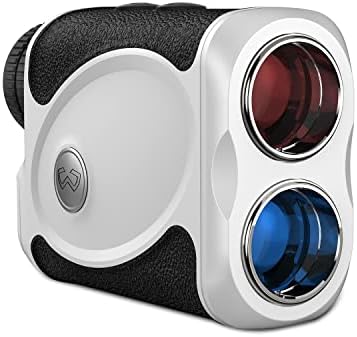
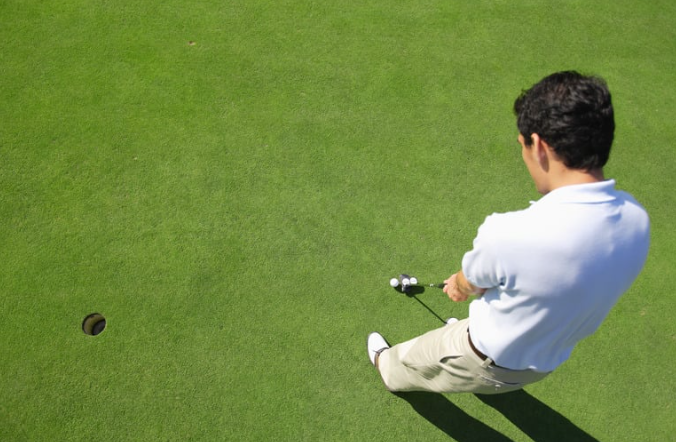
Golf Range Finder

Why Golf Ball Feel on the Greens Impacts Your Putting

Introduction Putting is where rounds are won or lost. You can drive the ball long and hit crisp irons, but if you can’t putt, your scorecard will show it. One often-overlooked factor that shapes putting success is the feel of the golf ball on the greens. The type of ball you use changes how putts sound, roll, and react off the face. In short, golf ball feel on the greens impacts your putting—and choosing the right one can transform your consistency and confidence. What “Feel” Means in Golf Balls “Feel” is the sensory feedback a ball gives when struck. A soft-feel ball compresses easily and produces a muted response, while a firm-feel ball feels more solid with a sharper click. The feel isn’t just about comfort—it influences distance control and feedback, especially during putting. How Feel Affects Distance Control Putting distance is determined by two factors: impact force and ball response. If your putts keep stopping short or running past the hole, your golf ball’s feel could be mismatched with your green speed. Sound and Feedback Influence Confidence Sound is part of feel. That crisp “click” or soft “thud” can either reassure or unsettle you. Golfers often don’t realize how sound affects rhythm and touch. A soft, muted tone promotes smoother strokes, while a firm click encourages a more assertive motion. Finding a sound that inspires confidence is key to consistent putting. Matching Ball Feel to Green Speed Matching ball feel to course conditions is one of the simplest ways to improve putting performance instantly. Consistency Comes from Using One Ball Model Switching balls each round leads to inconsistent distance and feel. Every model rolls and sounds different, which confuses your touch. By committing to one model, you build muscle memory, develop consistent feedback, and eliminate guesswork on the greens. Common Putting Issues Caused by the Wrong Ball Feel Your putter and stroke may be fine—the ball could be the problem. How to Test Golf Ball Feel on the Greens A simple feel test often reveals what stats can’t—comfort and confidence. The Mental Edge Putting well is as much mental as it is mechanical. When the ball feels right off the face, you stop overthinking. Confidence grows, strokes flow naturally, and you start holing more putts. That’s why the right golf ball feel can quietly make the biggest difference in your short game. Conclusion You don’t need a new putter to improve your putting—you might just need the right ball. From sound and feedback to green speed control, golf ball feel on the greens impacts your putting every time you line up a stroke. Choose one that fits your stroke and stay consistent. The result? Smoother rolls, fewer three-putts, and more confidence from every distance. FAQ Q1: Does a soft-feel ball always improve putting?Not necessarily—it depends on green speed and your personal preference for feedback. Q2: Should I choose a ball based only on putting feel?No, but putting feel should be a major factor since it affects confidence and touch. Q3: How can I tell if a ball feels right?You should immediately notice comfort, control, and predictable roll when testing on the green. Q4: Do professionals focus on ball feel?Absolutely. Many tour players select balls specifically for their putting and short game performance. Q5: Will ball feel change in cold weather?Yes. Cold air makes balls feel firmer, slightly changing how they roll and sound.

Why Golf Ball Feel on the Greens Impacts Your Putting Read More »

Why Golf Ball Feel on the Greens Impacts Your Putting

Introduction Putting makes up nearly half the strokes in a round of golf, yet many players overlook one key factor: the feel of the golf ball on the greens. The ball you choose influences feedback, distance control, and overall confidence with the putter. Simply put, golf ball feel on the greens impacts your putting more than most golfers realize. If your putts often come up short or race past the hole, your ball may be working against you. What Does “Feel” Mean in Golf Balls? Feel refers to the sensation you get at impact. Softer balls compress more easily and deliver a muted, smooth sensation. Firmer balls feel sharper and provide louder sound feedback. Neither is “better” universally—the right feel depends on your preferences and putting style. How Ball Feel Affects Distance Control Distance control is all about touch. Matching ball feel to your stroke ensures predictable distance on every putt. Sound Feedback and Confidence Sound and feel go hand in hand. A soft “click” reassures some golfers, while others prefer a muted thud. This audio feedback influences confidence subconsciously. If the ball doesn’t sound right, many golfers lose trust in their stroke. The Role of Green Speed The faster the greens, the more important ball feel becomes. On lightning-quick greens, a softer ball provides better control. On slower greens, a firmer ball may help get the ball to the hole. Adjusting your ball choice to match conditions improves putting consistency. Consistency Through One Ball Model Switching between different golf balls round after round makes putting distance unpredictable. Each model feels different, meaning your stroke never fully adapts. By sticking with one ball consistently, you train your feel and develop reliable touch on the greens. Common Putting Problems Caused by Wrong Ball Feel These issues highlight why ball feel matters as much as putter design. How to Test Golf Ball Feel on the Greens This simple test can reveal more than hours of guessing. The Confidence Factor Putting success is largely mental. When you trust your golf ball’s feel, you make smoother, more committed strokes. Confidence builds as you stop worrying about speed and start focusing on line. That shift alone can lower putts per round significantly. Conclusion Your putter is only half the story—the golf ball is the other half. The wrong ball feel can lead to poor distance control, inconsistent touch, and lost confidence. The truth is clear: golf ball feel on the greens impacts your putting by shaping feedback, speed control, and rhythm. Find the feel that matches your stroke, commit to one ball, and watch your putting improve. FAQ Q1: Do all premium balls feel soft on putts?Most urethane-covered premium balls feel softer, but firmness varies between models. Q2: Should beginners worry about golf ball feel?Yes. Developing consistent touch early builds long-term confidence on the greens. Q3: Can I adjust to a firmer ball instead of changing models?Possibly, but switching to a feel that matches your natural touch is usually better. Q4: Does ball feel change with temperature?Yes. Cold weather makes balls feel firmer, affecting putting touch. Q5: Should I choose a ball based only on putting feel?No. Consider full-game performance—drives, irons, and wedges matter too—but putting feel is crucial.

Why Golf Ball Feel on the Greens Impacts Your Putting Read More »
How Golf Ball Performance Affects Your Short Game

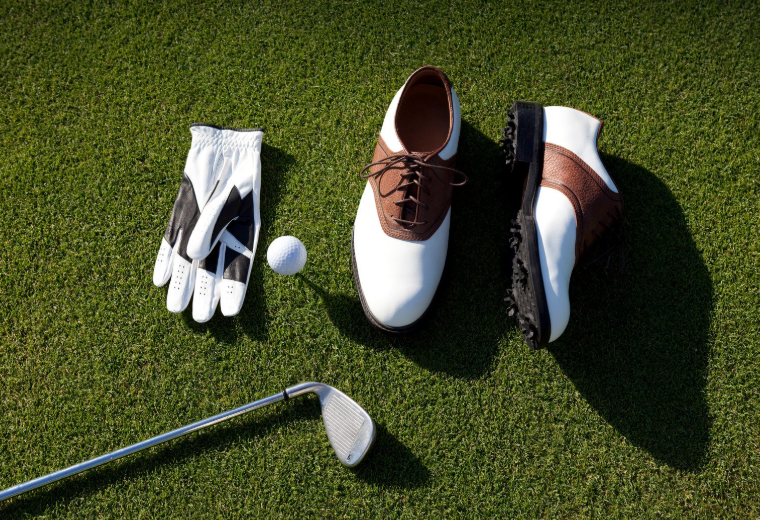
Introduction Your short game—chips, pitches, and putts—makes up nearly 60% of your strokes. Yet many golfers focus only on drivers and irons, ignoring how much the golf ball performance affects your short game. From spin rates to cover materials, the ball you choose determines how easily you can control distance, stop shots near the pin, and build confidence on the greens. If you’re serious about scoring lower, it’s time to look at your ball choice. Why the Short Game Matters Most Even tour players miss greens. What separates them from amateurs is their ability to recover with precise short-game shots. A ball that responds well around the greens gives you a major advantage. The wrong ball, however, skids, rolls out, and leaves you facing long putts. Spin Control in the Short Game Spin is the secret weapon of good wedge play. If you’re wondering why your chips won’t stop near the hole, it might not be your wedge—it could be your ball. Feel and Feedback on Putts Putting is all about feel. Premium balls with softer covers provide better feedback, allowing you to judge distance and speed more consistently. Harder distance balls may feel clicky or firm, leading to poor touch on the greens. Since nearly half your strokes are putts, feel matters as much as spin. Distance Control on Pitches and Chips The right ball helps you predict how far shots will roll after landing. A higher-spin ball checks up quickly, while a lower-spin ball releases further. By sticking with one consistent ball, you learn its behavior and develop reliable touch around the greens. Consistency Through One Ball Model Switching between random balls is a killer for your short game. Each model reacts differently, making distance and spin unpredictable. Using the same ball every round builds familiarity, giving you confidence in delicate shots under pressure. Common Short Game Problems Caused by the Wrong Ball Each of these issues comes back to ball performance—not just technique. How to Choose a Ball for Short Game Strength Confidence Factor The short game is as much mental as physical. When you trust your ball to check up, spin, or roll the right distance, you commit to shots instead of steering them. That confidence often saves more strokes than added distance off the tee. Conclusion Your driver may set up the hole, but your short game finishes it. Choosing the wrong ball makes it nearly impossible to control chips, pitches, and putts. The truth is clear: golf ball performance affects your short game by determining spin, feel, and distance control. Stick with one consistent ball, find the spin profile that suits you, and watch your scoring improve. FAQ Q1: Do beginners need a high-spin ball for the short game?Not always—lower-spin balls may be more forgiving, but learning with a consistent ball helps. Q2: Why do premium balls feel softer on putts?They use urethane covers that compress more at impact, giving better feedback. Q3: How do I test short-game performance?Compare chips, pitches, and putts with two or three models on the practice green. Q4: Can changing balls fix my chipping?Yes. A higher-spin ball may stop closer to the pin with the same technique. Q5: Should I play the same ball for drives and short game?Absolutely. Consistency from tee to green is the best way to build trust in your shots.

How Golf Ball Performance Affects Your Short Game Read More »

How Golf Ball Performance Impacts Distance Control

Introduction Every golfer knows the frustration of hitting a perfect swing, only to see the ball come up short or roll too far past the target. The issue isn’t always your swing—it could be the ball itself. Simply put, golf ball performance plays a critical role in distance control. Choosing the wrong ball can cause inconsistent yardages, poor trajectory, and even a loss of confidence. Let’s explore how golf ball performance impacts distance control and how the right choice can sharpen your game. Why Golf Ball Performance Matters Unlike clubs, which you swap during the round, the golf ball is used on every single shot. Its construction, compression, and spin profile directly affect how far it travels and how it reacts when it lands. Overlooking these details is a mistake that costs strokes. Compression and Distance Control Compression measures how much the ball deforms at impact. Playing the wrong compression often leads to unpredictable carry distances. Spin Rates and Carry vs. Roll Spin rates determine how the ball flies and stops. Distance control suffers if your spin doesn’t match your swing speed and shot needs. Multi-Layer Construction and Yardage Gaps Two-piece balls are built for distance, while multi-layer balls fine-tune spin and control. With more layers, you gain control across all clubs, ensuring better yardage gapping. If your ball doesn’t suit your game, you may see overlaps where a 7-iron and 8-iron carry nearly the same distance. Launch Angle and Trajectory Golf ball design also influences launch. A ball that launches too low will limit carry distance, while one that launches too high may balloon and lose yards in the wind. The right ball optimizes trajectory, giving you consistent distance across all conditions. Short Game and Distance Precision Distance control isn’t just about long shots. Around the green, urethane-covered balls provide more spin and stopping power, giving you precise control on chips and pitches. Harder, distance-focused balls tend to skid and roll out, hurting scoring chances. Consistency Through One Ball Model Switching golf balls round to round—or even mid-round—creates unpredictable distances. Each ball behaves differently. Sticking with one model builds familiarity, allowing you to dial in consistent yardages and trust your distances under pressure. How Golf Ball Performance Impacts Confidence Confidence in distance control is crucial. When you know your ball reacts consistently, you swing freely instead of steering the shot. This trust improves rhythm, tempo, and ultimately accuracy. The mental boost is just as valuable as the technical benefits. Conclusion Distance control separates good golfers from great ones, and the ball you choose is a key factor. From compression and spin to construction and launch, every detail matters. By recognizing how golf ball performance impacts distance control, you can select a ball that matches your swing and build consistency across your entire game. FAQ Q1: Do beginners need to worry about distance control?Yes. Even beginners benefit from consistent yardages, which build confidence. Q2: Is compression the most important factor for distance control?It’s crucial, but spin and construction also play huge roles. Q3: How do I test golf balls for distance control?Compare carry distances and rollouts across clubs on the range. Q4: Can switching balls affect my handicap?Yes. Inconsistency in distance control from ball changes can inflate scores. Q5: Should I always choose a premium ball for better distance control?Not necessarily. The best ball is the one that matches your swing speed and game needs.

How Golf Ball Performance Impacts Distance Control Read More »

How Golf Ball Choice Affects Accuracy and Consistency

Introduction Golf is a game of precision, and every small detail matters. Yet many players overlook the golf ball itself, thinking all models perform the same. The reality is clear: golf ball choice affects accuracy and consistency more than most golfers realize. From spin rates and compression to cover material and design, the ball you play has a direct impact on your ability to hit fairways, stick greens, and roll putts with confidence. Why Accuracy and Consistency Matter Accuracy keeps you out of trouble, while consistency allows you to predict how your ball will react shot after shot. Together, they’re the foundation of lower scores. If your golf ball doesn’t match your swing, every shot becomes unpredictable. Compression and Accuracy Compression determines how the ball responds at impact: Playing the wrong compression either wastes energy or produces erratic ball flights, leading to directional misses. Spin Rates and Shot Control Spin is a major factor in both accuracy and consistency: Matching spin to your game ensures more predictable results. Cover Materials and Consistency Golf balls generally use two main cover types: Choosing the right cover helps balance long-game accuracy with short-game consistency. Distance Gapping and Predictability Consistency isn’t just about direction—it’s also about distance. If your 7-iron and 8-iron carry nearly the same yardage, your ball may not be suited to your swing. The right ball ensures proper distance gapping throughout your set, making club selection easier and more reliable. The Role of Ball Construction If accuracy is your weakness, a two-piece design may help. If consistency in scoring shots is your goal, a multi-layer ball is often the better choice. How Golf Ball Choice Affects Accuracy on the Greens Putting accuracy depends heavily on feel. A firmer ball may feel clicky and unpredictable on the putter face, while a softer ball offers smoother, more consistent rolls. If your putting distances vary wildly, your golf ball could be part of the problem. Common Mistakes Golfers Make Each of these habits makes accuracy and consistency harder to achieve. Practical Tips for Better Ball Selection Confidence Factor Confidence comes from trust. When you know how your ball reacts in every situation, you swing freely and commit to shots. That mental stability often improves accuracy and consistency more than any swing change. Conclusion The golf ball isn’t just equipment—it’s your game’s foundation. Playing the wrong model adds strokes, while the right one sharpens both accuracy and consistency. The truth is simple: golf ball choice affects accuracy and consistency, and making the right decision can transform your scoring potential. FAQ Q1: Does golf ball choice matter for high handicappers?Yes. High handicappers benefit most from straighter, lower-spin balls for accuracy. Q2: Should I play the same ball every round?Absolutely. Consistency comes from knowing exactly how your ball reacts. Q3: Do premium balls always offer more accuracy?Not always. Premium balls offer spin control, but straighter distance balls may suit some players better. Q4: How can I test accuracy differences between balls?Compare dispersion patterns on the range—straighter groupings reveal the better ball. Q5: Does ball choice affect putting?Yes. Feel off the putter face changes distance control and consistency on the greens.

How Golf Ball Choice Affects Accuracy and Consistency Read More »

Understanding Golf Ball Spin for Better Performance

Introduction If you’ve ever wondered why some shots fly straight while others curve wildly, the answer often comes down to spin. Golf ball spin influences distance, trajectory, and accuracy more than most players realize. By understanding golf ball spin, you can make smarter choices about which ball to play, how to adjust your swing, and how to improve your overall performance. What Is Golf Ball Spin? Spin occurs when the clubface strikes the ball at impact, creating rotation. The amount and direction of spin determine whether the ball travels straight, curves, rises, or drops. Understanding spin helps you control both long and short shots more effectively. Types of Golf Ball Spin Backspin Backspin lifts the ball into the air and helps it stop quickly on the greens. Irons and wedges generate the most backspin. Too much backspin can cause ballooning, while too little makes it difficult to hold greens. Sidespin Sidespin makes the ball curve left or right. Excessive sidespin produces slices or hooks. Reducing sidespin is key for straighter, more consistent drives. Topspin Rare in normal play, topspin occurs when the club strikes the ball improperly. It produces low, rolling shots that rarely get airborne. How Golf Ball Spin Affects Distance Balancing spin ensures consistent yardages and better course management. Golf Ball Design and Spin Rates Ball construction plays a major role: Choosing the right ball design for your skill level maximizes performance. Spin and the Short Game Spin matters most around the greens. High-spin balls check up faster on chips and pitches, giving you more control. Low-spin balls skid and release, making it harder to get close to the pin. If your short game is a strength, a higher-spin ball can help lower scores. How to Reduce Excessive Sidespin These adjustments limit hooks and slices, keeping shots in play. Testing Spin for Your Game Want to see how spin affects your shots? Try this: This simple test shows whether you need more or less spin for your style. The Confidence Factor Confidence comes from predictability. When you know how your ball will spin, you can swing freely instead of guessing. That trust improves accuracy, distance control, and scoring. Conclusion Spin isn’t just a detail—it’s a game-changer. By understanding golf ball spin for better performance, you can pick a ball that matches your swing, control distance more effectively, and sharpen your short game. Whether you want straighter drives or more control on the greens, mastering spin is the key. FAQ Q1: Does spin affect every shot?Yes. Spin influences drives, approaches, chips, and putts. Q2: Can beginners benefit from high-spin balls?Not usually—beginners often do better with low-spin balls that reduce hooks and slices. Q3: How do I know if my ball has too much spin?If your drives balloon or curve excessively, you may be using a high-spin ball. Q4: Do all premium balls spin more?Most urethane-covered balls spin more, but each model varies in spin profile. Q5: Should I stick to one ball model for spin consistency?Yes. Playing the same ball every round ensures predictable spin and performance.

Understanding Golf Ball Spin for Better Performance Read More »

Why Playing Any Ball Without Considering Performance Hurts Your Game

Introduction Most golfers obsess over their driver, irons, and even grips, yet they often neglect one piece of equipment used on every single shot—the golf ball. Choosing the wrong ball, or constantly switching between models, is a recipe for inconsistency. Simply put, golf ball performance hurts game outcomes more than most players realize. From distance loss to poor spin control, ignoring ball performance costs you accuracy, confidence, and strokes. Why Golf Ball Performance Hurts Game if You Ignore It Golf balls aren’t “all the same.” Each model is built differently, with unique compression, cover materials, and spin profiles. Playing a random ball without considering performance is like wearing the wrong size shoes—you can still play, but you’ll always struggle. By ignoring ball fitting, you sacrifice distance, accuracy, and short-game control. How Compression and Spin Influence Ball Performance alt=”golf ball performance hurts game distance control” Compression refers to how much the ball compresses at impact. Spin also plays a huge role: If these don’t match your swing, you’ll struggle with both distance and accuracy. The Role of Construction in Performance alt=”golf ball performance comparison for accuracy” Golf balls are designed in layers: Choosing the wrong construction limits your potential. A low-handicapper using a two-piece ball loses greenside control, while a beginner playing a premium tour ball pays for features they can’t yet use. Consistency Problems: When Golf Ball Performance Hurts Game the Most Consistency matters more than anything in golf. Yet many golfers switch balls every round—or even mid-round—based on what they find in the rough. This creates unpredictable distances, spin, and feel. If you want to improve, stick with one model so you always know how it will react. Short Game Impact of Golf Ball Performance alt=”golf ball performance hurts game consistency putting” The short game is where the wrong ball costs the most. Cheaper balls often skid or bounce off the putter face, ruining distance control. Around the greens, hard covers roll out too far instead of checking up. Premium balls, on the other hand, spin and stop where you expect them to, making up-and-downs much easier. Common Mistakes Golfers Make with Ball Choice Each mistake leads to inconsistency—and more strokes on your card. How the Wrong Ball Affects Your Scores If you’re still not convinced, here’s what happens when you ignore ball performance: Once again, golf ball performance hurts game results by multiplying mistakes across every hole. How to Select the Right Golf Ball The Confidence Factor Golf is a mental game. When you trust your ball, you swing with more freedom. Knowing exactly how it reacts on drives, chips, and putts eliminates second-guessing. That mental boost often lowers scores just as much as the technical advantages. Conclusion The golf ball isn’t just a detail—it’s the foundation of your performance. Playing any ball without considering compression, spin, or construction will always hold you back. The truth is clear: golf ball performance hurts game results if ignored, but the right ball brings consistency, accuracy, and confidence. Stick to one model, match it to your swing, and watch your scores drop. FAQ Q1: Does golf ball performance really matter for beginners?Yes. Starting with the right ball builds good habits and prevents frustration. Q2: Do premium balls always perform better?Not always. A slower swinger may benefit more from a low-compression budget ball. Q3: How do I test golf balls effectively?Start on the putting green and short game area. That’s where differences show fastest. Q4: Can the wrong ball hurt putting?Absolutely. Harder covers feel inconsistent off the putter face. Q5: How often should I change balls?Every 2–3 rounds, or immediately if the cover is scuffed or cut.

Why Playing Any Ball Without Considering Performance Hurts Your Game Read More »

golf rangefinder

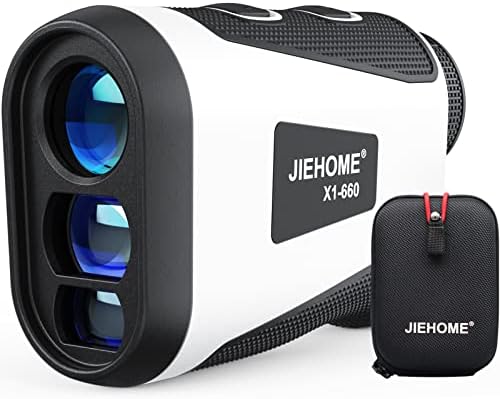
Golf Rangefinder with Slope Flagpole Lock and Vibration 660/1100YDS Laser Rangefinder for Golfing

This product has a 4.5 out of 5 rating as of this posting. Check Price on Amazon! JIEHOME LASER RANGE FINDERS The rangefinders from JIEHOME utilizes advanced, premium technology and materials. Offer high-precision range measure tool for golfing and hunting. JIEHOME TECHNOLOGIES ⭐ Slope Compensation Calculation – accounts for slope to target to calculate the angle compensated distance; ⭐ Glass Lenses – glass lenses are more efficient than standard lenses; ⭐ Ergonomic Design – the complexities of the natural grip and finger pressure points have been taken into account for comfort and enhanced performance; ⭐ IP54 Water-Resistant – special care to protect the inner workings. JIEHOME X1 SERIES FEATURES ⭐ Premium Glass Optical Lenses; ⭐ Slope Compensation; ⭐ Scan Mode; ⭐ 6X Magnification; ⭐ Power Off Automatically; ⭐ Precise to ±1 yard; ⭐ IP54 Water-Resistant; ⭐ Ergonomic Design; ⭐ VIP 2-years Warranty. PACKING LIST ⭐ 1 * Laser Rangefinder ⭐ 1 * Pouch ⭐ 1 * USB C Type ⭐ 1 * User Manual ⭐ 1 * Printed Box ⭐【GOLF RANGEFINDER WITH SLOPE】 X1-660 golf rangefinders has trajectory compensation tech that can calculate the accurate distance automatically according to the uphill and downhill situation of the hole. ⭐【MULTI-FUNCTIONAL LASER RANGEFINDER】 Golf yardage finder provides (tournament legal) continuous scanning, flagpole lock, slope tech, horizontal & vertical distance measurement and speed measurement. Meanwhile, X1-660 laser rangefinder delivers a quick vibration when acquired the target. ⭐【CLEAR VISION LASER RANGE FINDERS】 Adopting multi-layer coated optical lenses and LCD digital and icon display, X1-660 golf rangefinder slope provides brighter and clearer images. 6X magnification lens and adjustable diopter for precise focus on display. Get clearly vision with naked-eye. It is ideal for golfing, engineering surveying, hunting or outdoor disc activities. ⭐【JIEHOME TECHNICAL SUPPORT】 1 year warranty, lifetime technical support. If there is any questions on the rangefinders, please feel free to contact us. Our goal is to give you fast and effective service. Check Price on Amazon!

Golf Rangefinder with Slope Flagpole Lock and Vibration 660/1100YDS Laser Rangefinder for Golfing Read More »

golf rangefinder

Golf Rangefinder with Slope 800 Yard Range Finder Golf 6X Magnification Golf Distance Rangefinder for Golfing

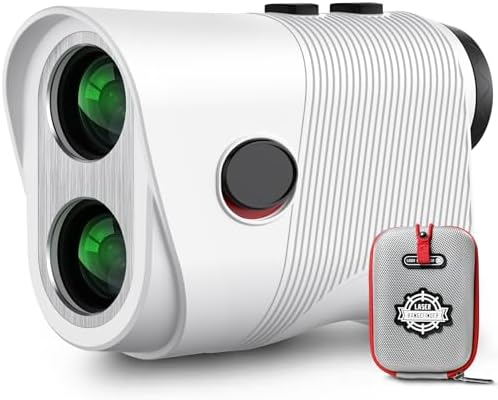
This product has a 4.5 out of 5 rating as of this posting. Check Price on Amazon! Golf Rangefinder with Slope, 800 Yard Range Finder Golf, 6X Magnification Golf Distance Rangefinder for Golfing & Hunting, Type-C Rechargeable Laser Range Finder with Magnetic Holder and Flag Lock 🏌️‍♀️【5 Measurement Modes】Golf compensation mode uses distance and angle to generate accurate calculations and help you make the right decision. Range finder for hunter with a short press of the button, you can switch to different measuring modes. There are altogether 5 modes at your disposal: slope compensation mode, golf flag locking mode, ranging mode, speed measurement mode, and continuous scan measurement. 👀【High Precision & Clear Vision】Equipped with 6x magnification, our golf laser rangefinder features a total range of up to 800 yards, +/- 1- yard accuracy. ±15° adjustable diopter adjustable physical focus allows for a clearer view of the flag. Multi-layer coated optical lenses can effectively reduce reflected light, and increase light transmittance. LCD digital and icon displays provide you with brighter and clearer images. ⛳【Slope Compensation & Flagpole Lock】Golf rangefinder with slope has trajectory compensation tech that can calculate the accurate distance automatically according to the uphill and downhill situation of the hole and help you choose the correct batting stick. With flag lock technology and pulse vibration, it emits 2 short vibrating pulses to confirm that you have locked on to the target. Range finder golf with the slope on/off switch is legal for tournament play when the slope switch is disabled. 🔋【Rechargeable Rangefinder With Magnetic】Equipped with a 750mah rechargeable lithium battery and Type-C charging cable, 3 hours fully charged and it can measure more than 30000 times after being fully charged. If no key is pressed within 10 seconds, the machine will automatically power off. With the built-in magnetic clip, you can stick a rangefinder with a slope onto any metal surface, like the golf cart’s windshield frame, club faces, etc. 🎁【Must-Have Golf Accessory】 1x Golf Rangefinder, 1x USB Type-C Charging Cable,1x Hand Case, 1x Golf Gift box, 1x Lanyard, 1x Cleaning Cloth, 1x User Manual. The water & dustproof grade of the rangefinder is IP54. Check Price on Amazon!

Golf Rangefinder with Slope 800 Yard Range Finder Golf 6X Magnification Golf Distance Rangefinder for Golfing Read More »

golf rangefinder

WOSPORTS Golf Rangefinder 800 Yards Laser Range Finder High-Precision Flag Lock with Pulse Vibration

This product has a 4.5 out of 5 rating as of this posting. Check Price on Amazon! Golf rangefinder Fast Focus: The H-111 golf rangefinder provides easy focus eye piece, allowing you clear visibility of the object to which you are finding the distance. High Accuracy up to 800 Yards: This WOSPORTS rangefinder can measure 5 to 800 yards with a 250 yard flag lock capability. It provides fast, accurate measurement of +/- 1 yard. Ergonomic Design: Fits nicely in your hand for comfortable, continuous scanning. It also features an integrated battery cover and automatically shuts off after 10 seconds of inactivity in order to save battery life. Tournament Legal Golf Rangefinder: Without slope compensation distance, it is tournament legal and easily read yardage and flag lock display. A great gift choice to help golfers of all abilities lower their scores! Check Price on Amazon!

WOSPORTS Golf Rangefinder 800 Yards Laser Range Finder High-Precision Flag Lock with Pulse Vibration Read More »