
Golf Clubs

Common Mistakes Golfers Make with Club Fitting

Introduction Golfers spend hours practicing swings, watching tutorials, and trying to improve their scores. Yet many overlook one of the most important aspects of the game: proper club fitting. Even when golfers get fitted, they often make mistakes that limit the results. Understanding these errors helps you avoid wasting money and ensures that your equipment truly matches your swing. Mistake #1: Skipping Club Fitting Altogether The biggest mistake is ignoring club fitting entirely. Too many golfers buy clubs off the rack, assuming they’ll adapt. While this might work for some, most players struggle with accuracy, distance, and consistency because their clubs don’t match their swing. Mistake #2: Focusing Only on the Driver Many golfers believe only the driver needs to be fitted. However, irons, wedges, hybrids, and even putters play crucial roles in scoring. A driver fitting might add distance, but poor-fitting irons or wedges still cost strokes on approaches and short game. Mistake #3: Ignoring Shaft Flex and Weight Shafts are often overlooked during fittings. Choosing the wrong flex or weight throws off timing, causing slices, hooks, or inconsistent contact. Matching shaft flex to swing speed ensures the club delivers maximum energy to the ball. Mistake #4: Not Paying Attention to Lie Angle Lie angle determines how the club sits at impact. If it’s too upright, shots pull left; if it’s too flat, they push right. Many golfers accept these misses as swing flaws, when in fact the club is the problem. Mistake #5: Forgetting About Grip Size Grips affect control more than most realize. Too small, and your hands over-rotate. Too large, and you block shots. During a fitting, many golfers overlook this simple adjustment that could immediately improve accuracy. Mistake #6: Choosing Looks Over Performance Some golfers pick irons because they “look sleek” or drivers because they’re popular on tour. While appearance matters, performance matters more. A set that complements your swing style is far more valuable than a club that looks good in the bag. Mistake #7: Not Considering Swing Style Steep swingers, sweepers, and neutral swingers need different club designs. A player who digs deep divots will benefit from wider soles, while sweepers need thinner soles for cleaner turf interaction. Ignoring swing style leads to constant mis-hits. Mistake #8: Overlooking Wedge Gapping Many golfers buy wedges without thinking about loft spacing. Improper gapping creates overlaps or large distance gaps, making scoring shots inconsistent. Proper wedge fitting ensures smooth transitions between clubs. Mistake #9: Not Testing Different Options During fittings, some golfers accept the first club recommended. The smarter approach is to test multiple shafts, heads, and lofts. By comparing, you find the best option—not just a good one. Mistake #10: Forgetting About the Putter The putter accounts for nearly 40% of strokes, yet it’s the least-fitted club in most bags. A poorly fitted putter can cause alignment issues and poor distance control. Skipping a putter fitting is leaving strokes on the green. Mistake #11: Not Updating Clubs Regularly Swings evolve over time. What fit perfectly three years ago may not work today. Aging, strength changes, and flexibility shifts all affect your swing. Ignoring updated fittings keeps you stuck with mismatched clubs. Mistake #12: Ignoring Launch Monitor Data During fittings, launch monitors provide valuable insights on spin, launch angle, and ball speed. Some golfers rely only on feel, ignoring the data. Combining both ensures the most accurate fitting results. Mistake #13: Fitting on a “Good Swing Day” Only If you get fitted on a rare day when your swing feels perfect, results might not reflect your true average. It’s better to fit based on your typical swing, not your best one, to ensure clubs suit everyday play. Mistake #14: Skipping Professional Help DIY fitting is possible, but it often misses key details like lie angle adjustments or swing weight. Professional fitters bring expertise and technology to pinpoint exact needs. Skipping their help often means settling for less-than-perfect results. Conclusion Club fitting is one of the smartest investments a golfer can make—but only if it’s done correctly. Avoiding these common mistakes ensures you get the most from your equipment. From grip size to shaft flex and putter fitting, every detail matters. Remember, properly fitted clubs don’t just improve distance—they improve confidence, accuracy, and consistency. FAQ Q1: How often should I get fitted for clubs?Every 2–3 years, or sooner if your swing changes significantly. Q2: Is club fitting worth it for beginners?Yes. Beginners benefit from learning with equipment that suits their swing. Q3: Can I fit just one club at a time?Absolutely. Start with your driver or irons and expand later. Q4: Do I need new clubs for fitting?Not always. Sometimes adjusting lie angle, loft, or grip on your current clubs is enough. Q5: How long does a full fitting take?Usually between 1–2 hours, depending on how many clubs you’re fitting.

Common Mistakes Golfers Make with Club Fitting Read More »

Why a Fitted Putter Can Transform Your Putting

Introduction Ask any golfer what part of the game costs them the most strokes, and many will say putting. It’s the simplest motion in golf, yet also the trickiest. Often, the problem isn’t your technique—it’s your equipment. A fitted putter can transform your putting because it matches your stroke, posture, and grip, making every roll smoother and more consistent. If you’ve been struggling with short misses or poor distance control, your putter fit might be the hidden issue. The Importance of Putter Fitting Unlike drivers or irons, putters don’t rely on power—they rely on precision. Even the slightest misalignment or improper shaft length throws off direction and distance. A fitted putter ensures that the setup feels natural, allowing your stroke to flow without adjustments. When the equipment matches you, confidence grows. How a Fitted Putter Improves Performance 1. Proper Length for Your Setup If your putter is too long, you stand too upright, causing inconsistency in your stroke path. Too short, and you hunch over, leading to poor alignment. The right length promotes comfortable posture and repeatable strokes. 2. Correct Lie Angle Lie angle determines how the putter sole sits on the ground. If the toe or heel is up at impact, the ball veers offline. A proper lie angle keeps the putter square, rolling the ball straight. 3. Matching Head Style to Stroke Type Choosing the wrong head type forces unnatural compensations. The right head style, however, works with your natural stroke. 4. Grip Size and Feel Grip affects control. Oversized grips steady shaky hands and reduce wrist movement. Standard grips allow more feel. Matching grip size to preference and stroke helps stabilize the putter at impact. 5. Weight and Balance Too heavy slows your stroke, too light makes distance control difficult. Fitting balances the putter to your tempo, improving pace and consistency. Common Problems a Fitted Putter Fixes By addressing these issues, a fitted putter saves strokes where they matter most—on the green. The Mental Boost of a Fitted Putter Putting is largely mental. Confidence breeds success. When you know your putter fits your stroke perfectly, you stop second-guessing. Instead, you focus on reading greens and trusting the stroke. That shift alone can lower your putts per round dramatically. Professional Putter Fitting Process During a fitting, professionals analyze: Using this data, they recommend adjustments in length, lie, loft, head design, and grip. The result is a putter that feels like an extension of your hands. DIY Checks Before a Fitting Real Results From a Fitted Putter Golfers often report immediate improvements in putts per round after getting fitted. Some cut 3–5 strokes without changing technique, simply because their putter now works with them instead of against them. Conclusion Putting makes up nearly 40% of your strokes, so why leave it to chance? A fitted putter transforms your putting by improving alignment, consistency, and confidence. With the right length, lie angle, grip, and head style, you eliminate compensations and free up your stroke. If you’re serious about lowering scores, investing in a putter fitting might be the smartest move you’ll ever make. FAQ Q1: Is a fitted putter only for pros?No. Every golfer, from beginner to advanced, benefits from a putter that matches their stroke. Q2: How much does a putter fitting cost?Most fittings cost between $50 and $150, depending on location and technology. Q3: Can the wrong putter hurt my game?Yes. Misfit putters cause alignment issues, poor distance control, and lack of confidence. Q4: How long does a putter fitting take?Usually 30–60 minutes with a professional fitter. Q5: Do I need to buy a new putter after fitting?Not always. Sometimes minor adjustments to grip, loft, or lie angle can fix your current putter.

Why a Fitted Putter Can Transform Your Putting Read More »

How to Select the Right Irons for Your Swing Style

Introduction Every golfer knows the thrill of flushing an iron shot and the frustration of a mis-hit. But here’s the truth: it’s not always your swing at fault. More often than not, the irons in your bag determine how well you strike the ball. Learning how to select the right irons for your swing style can make the difference between inconsistent play and steady improvement. Why the Right Irons Matter Irons are used for nearly every type of shot—approaches, layups, punch-outs, and more. Because they’re so versatile, the wrong set of irons magnifies your weaknesses, while the right set enhances your natural swing style. Choosing correctly means more greens in regulation, tighter dispersion, and ultimately lower scores. Understanding Swing Styles Before selecting irons, identify your swing type: Knowing your swing style helps you pick irons designed to complement your motion. Forgiveness vs. Workability Game-Improvement Irons Best for beginners or high handicappers. They feature larger clubheads, wider soles, and perimeter weighting for forgiveness. Perfect if your priority is consistency. Players Irons Favored by low handicappers. They’re compact with thinner top lines and less offset, designed for precision and shot-shaping rather than forgiveness. Players Distance Irons A blend of both worlds. These offer some forgiveness while maintaining a sleek look and workable feel. Ideal for mid-handicappers looking to advance. Shaft Considerations The shaft is just as important as the head. Lie Angle and Accuracy Lie angle dictates direction. Too upright sends shots left, too flat pushes them right. Even a degree or two off can cost accuracy. A fitting ensures your irons sit square at impact, promoting straighter shots. Loft Gapping and Consistency Make sure the lofts between irons are consistent. Modern sets sometimes have stronger lofts, leading to distance overlaps. Proper gapping ensures each club covers a predictable yardage, preventing awkward distance gaps in your bag. Clubhead Design and Swing Style Grip Size and Comfort Grips that are too small cause overactive hands, leading to hooks. Too large, and you’ll block shots. The right grip size improves comfort, consistency, and control across all irons. Custom Fitting: The Smart Choice Professional fittings measure swing speed, ball flight, launch angle, spin, and strike location. With this data, a fitter can recommend the perfect iron specs for your swing style. Even small adjustments like lie angle or shaft weight can save strokes immediately. DIY Iron Selection Tips If you’re not ready for a full fitting, try these checks: The Confidence Factor When irons feel like an extension of your swing, confidence grows. You stop second-guessing and start trusting your mechanics. That mental edge is often the key to breaking through to the next handicap level. Conclusion Selecting the right irons for your swing style isn’t about buying what looks good—it’s about choosing equipment that complements your natural motion. With the right balance of forgiveness, shaft flex, and loft, you’ll hit more greens, control distance better, and gain confidence. In short, the right irons let your swing shine. FAQ Q1: Should beginners get fitted for irons?Yes. Starting with the right irons prevents bad habits and builds confidence early. Q2: What’s the difference between cavity backs and blades?Cavity backs are forgiving and easy to hit, while blades offer precision and workability for advanced players. Q3: Can shaft material affect my swing?Definitely. Graphite adds speed and distance, while steel gives control and feedback. Q4: How often should I replace irons?Every 5–7 years or when technology and your swing evolve. Q5: Can mixed iron sets help?Yes. Many golfers combine game-improvement long irons with players’ short irons for the best of both worlds.

How to Select the Right Irons for Your Swing Style Read More »

Swing Issues Caused by the Wrong Driver Fit

Introduction When golfers struggle off the tee, they often blame their swing. Yet in many cases, the real culprit is the driver itself. The wrong driver fit creates a host of swing issues that make consistency nearly impossible. From slices to hooks to weak ball flights, ill-fitted drivers sabotage distance and accuracy. The good news? With the right fit, those problems disappear, and your driver becomes a weapon instead of a liability. Why Driver Fitting Is Essential The driver is the longest, most powerful club in your bag—and the hardest to control. Because it’s used on nearly every par 4 and par 5, a poor driver fit compounds mistakes. The wrong loft, shaft, or head design changes your swing mechanics, forcing compensations that lead to bad habits. Conversely, a properly fitted driver works with your natural swing, helping you hit more fairways and reduce scores. Common Swing Issues From a Poor Driver Fit Slices Caused by the Wrong Shaft Flex If your shaft is too stiff, it won’t bend enough, leaving the face open at impact. The result is the dreaded slice. On the other hand, if the shaft is too flexible, timing becomes inconsistent, and you might hook the ball badly. Inconsistent Launch From Wrong Loft Loft determines launch angle. Too little loft produces low bullets that dive, while too much loft balloons shots into the air. Either way, distance suffers. Swing Plane Problems From Incorrect Length A driver that’s too long makes it harder to control the swing plane, often causing pushes, pulls, or off-center contact. Too short, and you crouch into an awkward posture that restricts power. Timing Issues From Poor Swing Weight When the driver is too heavy, your swing slows, and you can’t release properly. Too light, and you rush the swing, losing rhythm. Both cause inconsistent strikes and offline shots. How the Wrong Driver Creates Bad Habits Golfers naturally adapt to their equipment. If your driver doesn’t fit, you’ll subconsciously adjust your swing. That might mean changing grip pressure, altering stance, or manipulating the release. Over time, these “fixes” become ingrained habits that are hard to break, even after switching clubs. This is why getting fit early prevents long-term swing flaws. Distance Loss From Ill-Fitted Drivers It’s not just accuracy—you lose yards too. A poorly matched driver robs ball speed and reduces carry. Studies show that an incorrect shaft flex alone can cost 10–20 yards. Combine that with wrong loft or length, and you’re losing distance on nearly every tee shot. The Confidence Factor Confidence off the tee sets the tone for every hole. If you’re constantly fighting slices or mis-hits, frustration builds. With a fitted driver, you swing freely, trusting that the club will deliver. That mental shift often lowers scores as much as the physical improvements. Signs Your Driver Doesn’t Fit If any of these sound familiar, your driver is likely working against you. The Professional Driver Fitting Process During a fitting, experts analyze: Adjustments are then made to shaft flex, loft, lie angle, length, and head design. Once optimized, your swing feels effortless, and the ball flies straighter with more distance. DIY Driver Fit Checks Before a professional fitting, try these quick checks: These clues indicate whether your driver is helping—or hurting—your swing. Conclusion The wrong driver fit creates more than just bad shots—it builds bad habits. From slices to weak launches, every swing issue is magnified by mismatched equipment. Fortunately, a proper driver fitting can fix these problems quickly. With the right shaft, loft, and length, your swing becomes smoother, your confidence returns, and your scores begin to drop. FAQ Q1: Can a driver fitting fix my slice?Yes, a proper shaft flex and lie angle often corrects or reduces slices significantly. Q2: How much distance can I gain from a fitting?Most golfers gain 10–20 yards, plus straighter ball flights. Q3: Do beginners need a fitted driver?Absolutely. Beginners benefit because they won’t form bad habits compensating for poor equipment. Q4: How long does a fitting take?A professional driver fitting usually lasts 45–60 minutes. Q5: Should I get fitted before buying a new driver?Yes. A fitting ensures you choose the right driver for your swing instead of guessing.

Swing Issues Caused by the Wrong Driver Fit Read More »

How Fitted Clubs Help Lower Your Handicap

Introduction Every golfer dreams of shooting lower scores. While practice and strategy are important, one secret weapon is often overlooked: fitted golf clubs lower handicap results faster than most training aids. When your clubs match your body and swing, accuracy improves, distance increases, and confidence soars. Let’s explore how properly fitted clubs can transform your game and help you break through scoring plateaus. Why Custom Fitting Matters Golf isn’t a one-size-fits-all sport. Off-the-rack clubs may look appealing, but they’re built for the “average” player who rarely exists in real life. Because every golfer has unique height, posture, swing speed, and grip style, equipment must adapt to the player—not the other way around. That’s where custom fitting comes in. The Connection Between Fitted Clubs and Handicap Your handicap measures consistency and scoring potential. If you’re struggling with mis-hits, slices, hooks, or distance gaps, your handicap rises. However, once your equipment is tuned to your swing, shots straighten, distances normalize, and scores drop. Simply put, fitted golf clubs lower handicap numbers because they maximize your strengths and reduce costly errors. How Club Length Improves Accuracy and Distance The right length allows you to swing naturally. As a result, you strike the ball flush more often, gaining both accuracy and distance. Over 18 holes, those extra fairways hit translate directly to fewer strokes. Lie Angle and Directional Control Lie angle refers to how the clubhead sits at impact. A club that’s too upright pushes shots left, while one that’s too flat pushes them right. Even one or two degrees off can create major directional misses. When lie angles are fitted correctly, the clubface meets the ground evenly, producing straighter, more predictable ball flights. This means fewer penalty strokes and more greens in regulation. Shaft Flex and Swing Speed Matching The shaft is often called the engine of the club. Matching flex to swing speed is critical: With the right flex, the shaft bends just enough to deliver maximum energy into the ball. This consistency ensures you hit fairways more often and dial in your distances with every club. Grip Size and Control It’s easy to ignore grip size, but it has a massive impact. Oversized grips restrict wrist movement, while undersized grips lead to overactive hands. Both cause accuracy issues. The correct grip size keeps hand action balanced, ensuring the clubface squares up at impact. That alone can shave strokes off your handicap by reducing slices and hooks. Swing Weight and Tempo Swing weight is the balance of the club. Heavy clubs can slow down your swing, while overly light clubs make timing difficult. When weight is properly matched, your tempo improves. Good tempo leads to consistent contact, which means straighter shots and fewer wasted strokes. Loft, Launch, and Distance Gapping Loft influences both launch angle and spin rate. If lofts are too strong or weak for your swing, your distance gaps between clubs become inconsistent. Fitted lofts ensure each club covers a predictable yardage. This means you’re never stuck guessing if your 7-iron will carry the bunker or come up short. Predictable distances mean smarter course management and lower scores. Psychological Edge of Fitted Clubs Confidence plays a huge role in lowering your handicap. When you know your clubs fit perfectly, you trust your swing. That trust removes hesitation and doubt. Because fitted clubs eliminate the “what if” factor, you play with more focus and freedom. This mental edge often leads to immediate improvement in scoring. Real-World Handicap Improvements Studies and anecdotal evidence from fitters show that golfers who switch to fitted clubs often drop 3–5 strokes within months. High handicappers see the biggest gains, since fitted clubs correct major swing inefficiencies. Low handicappers also benefit by fine-tuning their equipment to squeeze out every performance advantage. Signs You Need Club Fitting If any of these sound familiar, fitted clubs could be the fastest way to lower your handicap. Professional Club Fitting Process During a fitting session, professionals use technology such as launch monitors and impact analysis to evaluate: Adjustments are then made to length, loft, lie, shaft, and grip until the clubs are perfectly tuned. This data-driven process ensures your clubs are optimized for both accuracy and distance. DIY Checks Before Professional Fitting Before investing in a fitting, try these quick checks: These simple methods highlight whether fitted golf clubs lower handicap potential for your game. The Long-Term Value of Fitted Clubs Fitted clubs aren’t just about one round—they’re about long-term improvement. By reducing mis-hits and improving confidence, fitted equipment helps you practice more effectively. As consistency builds, your scores continue to fall. Over time, the handicap you once struggled to break becomes your new baseline. Conclusion If you’re serious about lowering your scores, it’s time to look at your equipment. Practice matters, but practice with ill-fitted clubs often leads to frustration. The truth is clear: fitted golf clubs lower handicap results by improving accuracy, boosting distance, and building confidence. With the right fit, every swing works with you—not against you. FAQ Q1: How many strokes can fitted clubs save me?Most golfers drop 3–5 strokes, though results vary depending on swing and starting handicap. Q2: Are fitted clubs only for advanced players?No. Beginners benefit greatly, since they develop proper habits without compensating for bad equipment. Q3: Do I need a full bag fitting?Not always. Start with your driver, irons, or wedges—clubs you use most often—and expand later. Q4: How much does a fitting cost?Fittings typically range from $50 to $200, depending on the service and technology used. Q5: How often should I update my fitted clubs?Every 2–3 years, or sooner if your swing changes significantly due to age, strength, or flexibility.

How Fitted Clubs Help Lower Your Handicap Read More »

Accuracy Problems Caused by the Wrong Golf Clubs

Introduction Golf demands precision, yet many players unknowingly sabotage their own accuracy by using poorly fitted equipment. The truth is simple: accuracy problems wrong golf clubs create are more common than you think. Even with a great swing, the wrong shaft flex, loft, or length can send shots flying off target. Let’s uncover how mismatched clubs reduce accuracy and steal confidence. Why Accuracy Matters in Golf Accuracy is the backbone of scoring. While distance gets attention, accuracy ensures the ball ends up where you intended. When shots consistently miss left, right, or fall short, it’s often not just swing mechanics—it’s the clubs themselves. Because your equipment dictates ball flight, choosing the right fit matters as much as your practice. How Wrong Golf Clubs Affect Accuracy Club Length Errors Clubs that are too long make it difficult to control the swing plane. As a result, shots veer right or hook left. On the other hand, clubs that are too short cause players to hunch, which reduces stability and sends shots low and inconsistent. Lie Angle Problems A club that sits too upright pushes the ball left, while one that’s too flat sends it right. Even a degree or two off changes accuracy dramatically. Since the lie angle controls how the face meets the ground, it directly dictates direction. Shaft Flex Mismatch If the shaft is too stiff, it won’t load properly, leading to weak, pushed shots. But when it’s too flexible, the clubhead whips open or closed, creating hooks and slices. Matching flex to swing speed is crucial for accuracy. Grip Size and Accuracy Grip size often goes overlooked, yet it plays a huge role in accuracy. Oversized grips limit wrist movement, which leads to blocked shots. Undersized grips, however, cause too much wrist action, making it hard to square the face at impact. With the correct grip, hand action stays balanced and consistent. Club Weight and Balance The weight and balance of a club influence tempo. Heavy clubs drag down swing speed and release, while ultra-light clubs make timing difficult. Because accuracy depends on a square face at impact, balance ensures consistent contact and tighter shot patterns. Loft and Clubhead Design Too much loft balloons the ball into the air, often short and off target. Too little loft, in contrast, produces low bullets that roll out unpredictably. Clubhead design also matters: forgiving heads help mishits stay straighter, but smaller heads exaggerate directional errors. Consistency Issues Caused by Wrong Clubs Inconsistent equipment leads to inconsistent results. Mis-hits, fat shots, and thin strikes become the norm. Consequently, golfers struggle to predict distance or direction. The frustration builds because accuracy problems wrong golf clubs create are constant, even if your swing is improving. The Mental Side of Accuracy Loss Golfers often blame themselves for wild shots, but poorly fitted clubs amplify mistakes. Confidence erodes when good swings produce bad results. With the right fit, however, golfers feel more in control, trust their swing, and commit to every shot. Real Impact on Scoring Missing a fairway by 20 yards or landing short of the green doesn’t just cost strokes—it changes strategy. Data shows that accuracy problems caused by wrong golf clubs often add 4–6 shots per round. For competitive golfers, that’s the difference between breaking 90 and breaking 80. Signs You’re Using the Wrong Clubs Why Professional Club Fitting Improves Accuracy Professional fittings use swing analysis and launch monitors to find your ideal specs. Adjusting lie angle, length, grip, shaft, and loft transforms accuracy almost immediately. Instead of fighting your clubs, you let them work with your natural swing. DIY Accuracy Checks Before a Fitting These quick checks reveal whether accuracy problems wrong golf clubs cause are holding you back. Conclusion Accuracy problems wrong golf clubs create are subtle but devastating. From lie angle errors to mismatched shafts, every detail influences ball flight. Golfers who invest in the right equipment find not only straighter shots but also renewed confidence. Because when your clubs fit your game, accuracy returns, scores drop, and frustration disappears. FAQ Q1: Can wrong golf clubs cause slices or hooks?Yes. Incorrect lie angle or shaft flex exaggerates slices and hooks, making them harder to control. Q2: How often should I check my club fitting?Every 2–3 years, or sooner if your swing changes significantly. Q3: Do beginners need fitted clubs?Definitely. Starting with properly fitted clubs helps build accuracy and good habits early. Q4: Can changing grip size improve accuracy?Yes. The right grip size balances wrist action, helping you square the face consistently. Q5: How much accuracy can a fitting improve?Many golfers see 10–20 yard improvements in direction control and far fewer off-target misses.

Accuracy Problems Caused by the Wrong Golf Clubs Read More »

How Ill-Fitted Clubs Steal Distance from Your Shots

Introduction Have you ever wondered why your shots feel solid but the ball still falls short? Chances are, it’s not your swing—it’s your clubs. Ill-fitted clubs are like wearing shoes two sizes too big: no matter how fast you run, you’ll stumble. The wrong clubs silently rob you of distance, accuracy, and consistency. Why Club Fitting Matters in Golf Golf is a game of precision, and every inch of equipment matters. The science behind swing mechanics shows that even minor changes in length, loft, or shaft flexibility can drastically affect performance. A fitted club ensures your swing energy is transferred efficiently into the ball, maximizing both distance and control. What Are Ill-Fitted Clubs? Ill-fitted clubs are simply clubs that don’t match your body, swing speed, or style. Signs include shots consistently missing left or right, inconsistent ball flight, or struggling to achieve distance despite solid contact. Unlike baseball bats or tennis rackets, golf clubs aren’t “one-size-fits-all.” Every golfer has unique needs. The Role of Club Length Length plays a huge role in how the club moves through the swing. Both scenarios sap power and distance because the swing plane is disrupted. How Lie Angle Affects Shots The lie angle determines how the clubhead meets the turf. If the sole of the club isn’t flush at impact, energy is lost and shots travel shorter. Even a single degree off can cost you yards. The Importance of Shaft Flex The shaft is the engine of your club. Matching shaft flex to your swing speed ensures the clubhead is square at impact, optimizing distance. Grip Size and Its Impact The grip connects you to the club. The right grip size keeps your hands in sync, transferring maximum energy. Weight and Balance of the Club Swing weight isn’t just about feel—it’s about control. The right balance gives you rhythm and allows smoother energy transfer. Clubhead Design and Loft Choosing the wrong loft can widen distance gaps between clubs. The correct loft ensures your distance gapping is consistent throughout the bag. How Ill-Fitted Clubs Cause Inconsistency When clubs don’t match your swing, you’ll notice mis-hits, thin shots, and fat shots. Off-center strikes become more frequent, and confidence suffers. Inconsistent distance makes it nearly impossible to judge shots on the course. Psychological Effects of Poorly Fitted Clubs Golf is as much mental as physical. When every swing feels like a fight against your equipment, frustration builds. Confidence plummets, and second-guessing creeps in. With properly fitted clubs, golfers often report immediate boosts in both confidence and performance. Distance Loss in Real Numbers On average, ill-fitted clubs can cost: That’s the difference between hitting the green or laying up short. The Benefits of a Professional Club Fitting Professional fittings use launch monitors, swing analysis, and data-driven adjustments. The process tailors every element—shaft, loft, lie, length, grip, and weight—to your swing. Not only does it add distance, but it also improves accuracy and consistency long term. DIY Checks Before a Professional Fitting Before heading to a fitter, try these quick checks: These clues can reveal if your clubs are working against you. Conclusion Ill-fitted clubs are silent thieves, stealing distance, accuracy, and confidence from your game. Golf already demands enough from you—why let your equipment hold you back? Investing in properly fitted clubs ensures every swing counts, giving you the power, control, and consistency you deserve. FAQ Q1: How do I know if my clubs are ill-fitted?If you constantly miss left or right, struggle with distance, or feel uncomfortable at address, chances are your clubs don’t fit properly. Q2: Can ill-fitted clubs cause injuries?Yes, improper length or lie can lead to poor posture and repetitive strain injuries in the back, wrists, or shoulders. Q3: How often should I get fitted for clubs?Every 2–3 years or when your swing speed, flexibility, or physical condition changes significantly. Q4: Is a professional fitting worth the cost?Absolutely. The added distance, consistency, and confidence often outweigh the cost in terms of enjoyment and performance. Q5: Can beginners benefit from club fitting?Yes! Starting with clubs that fit helps beginners develop better habits and enjoy the game more.

How Ill-Fitted Clubs Steal Distance from Your Shots Read More »

Problems Caused by Incorrect Golf Club Length

Introduction Golf is often seen as a game of precision, patience, and practice. Yet, one overlooked factor can quietly sabotage your performance—incorrect golf club length. Even the best swing mechanics can’t fully overcome the disadvantages of clubs that are too short or too long. The wrong length doesn’t just affect distance; it disrupts accuracy, comfort, and even your confidence on the course. In this article, we’ll explore the problems caused by incorrect golf club length and how choosing the right fit can elevate your game. Why Golf Club Length Matters Every golfer has a unique build—height, arm length, stance, and swing style. Club length determines posture, swing plane, and ball contact. When the length is off, your swing mechanics change, and the quality of your shots suffers. Common Problems with Clubs That Are Too Short Common Problems with Clubs That Are Too Long Distance and Accuracy Compromised The wrong length reduces both power and precision. Shots lose carry, and dispersion widens. Instead of consistent, straight shots, you’ll find yourself struggling with unpredictable ball flights. The Risk of Injury Incorrect club length forces your body into unnatural positions. Over time, this can lead to back pain, wrist strain, or shoulder injuries. Golf should challenge your skills, not your health. Signs Your Golf Clubs Are the Wrong Length How to Measure the Right Club Length The most reliable way is to visit a club fitter, but you can check basics yourself: Professional Fitting: The Best Solution A proper club fitting session uses launch monitors and swing analysis to recommend exact lengths. Professionals consider not just your height but also your swing path, tempo, and preferred ball flight. The Mental Game: Confidence in Equipment When you trust your clubs, you swing with freedom and confidence. Doubt about whether your gear fits you adds tension and hesitation, which often translates into poor results. Long-Term Benefits of Correct Club Length Conclusion Playing golf with the wrong club length is like trying to run in shoes that don’t fit—it holds you back at every step. The problems range from distance loss and accuracy issues to physical discomfort and loss of confidence. The solution is simple: get properly fitted clubs that match your build and swing. By doing so, you’ll unlock better performance, fewer mishits, and a far more enjoyable experience on the course. FAQ 1. How do I know if my clubs are too short or too long? Pay attention to your posture, shot patterns, and comfort level. Consistent hooks or slices often point to incorrect length. 2. Can I adjust the length of my current clubs? Yes. Many clubs can be lengthened or shortened by a professional, though grip and balance may also need adjustment. 3. Do beginners need custom-length clubs? Absolutely. Starting with the right length prevents bad habits from forming and makes learning the game easier. 4. Does height alone determine club length? Not entirely. Arm length, stance, and swing style also play a big role. That’s why professional fitting is recommended. 5. How often should I recheck my club length? If your swing changes significantly or you experience discomfort, it’s worth re-evaluating. Juniors and growing teens should check more frequently.

Problems Caused by Incorrect Golf Club Length Read More »

*

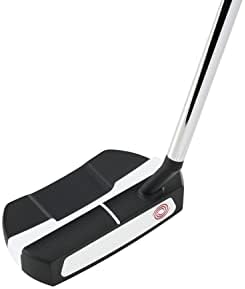
Odyssey Golf 2023 White Hot Versa Putter

This product has a 5 out of 5 rating as of this posting. Check Price on Amazon! From the manufacturer VERSA TWELVE DB PUTTER The White Hot Versa Twelve DB is a crowned winged face-balanced mallet suitable for strokes with minimal face rotation and arc. Our black and white high contrast Versa alignment system has dominated on Tours all over the world. FEATURES & BENEFITS WHITE HOT INSERT The original White Hot formulation creates incredible feel, sound and performance in one exceptional two-part urethane insert. Versa and the iconic White Hot insert are long time favorites of tour players and golfers alike. They’ve been asking for us to bring these technologies back and we’ve listened. RED STROKE LAB SHAFT The newest generation of our proven multi-material Stroke Lab shaft features even better performance. By shortening the steel section we reduced the weight by seven grams. We also made it stiffer and more stable for even more consistency in your stroke and your performance. VERSA ALIGNMENT This is the Tour proven, major winning Versa technology that’s dominated on Tours all over the world. The black and white high contrast alignment system delivers alignment at address and through your stroke, highlighting the proper face angle and improving concentration, so you drain more putts. VERSA 12 DB SPECIFICATIONS Hosel Type Double Bend Shaft SL 70C Availability RH & LH Loft (deg) 3 Lie (deg) 70 Length (inches) 33, 34, 35 Offset Full Shaft Toe Hang (deg) 0 Headweight (grams) 365 The original White Hot formulation creates incredible feel, sound and performance in one exceptional two-part urethane insert. Versa and the iconic White Hot insert are long time favorites of tour players and golfers alike. They’ve been asking for us to bring these technologies back and we’ve listened.The newest generation of our proven multi-material Stroke Lab shaft features even better performance. By shortening the steel section we reduced the weight by seven grams. We also made it stiffer and more stable for even more consistency in your stroke and your performance. Check Price on Amazon!

Odyssey Golf 2023 White Hot Versa Putter Read More »

*

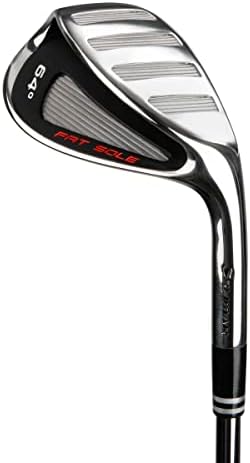
Orlimar Golf Fat Sole Wedges Game-Improvement High-Lofted Wedges

This product has a 4.5 out of 5 rating as of this posting. Check Price on Amazon! From the manufacturer IT’S HERE, A GAME-IMPROVEMENT WEDGE GOLF CLUB You play cavity back iron golf clubs, why not cavity back wedges? The Orlimar Fat Sole golf wedges are easier to hit than traditional blade style wedges geared for scratch golfers. Designed for beginner and intermediate golfers to complement their game improvement irons. NO MORE SAND TROUBLE The Orlimar Fat Sole golf wedge features one of the widest soles on the market and a unique design to prevent digging and clogging or hitting fat or chunked shots. The large flange serves to lower the center of gravity, allowing to get the ball out from practically any lie, especially sand shots. Hitting off tight lies? No problem either. No need to open the face like a traditional sand wedge, position the face square and swing away toward your target. LARGE HITTING SURFACE AREA These precision cast stainless steel lob wedges are available in a 60- and 64-degrees loft wedge set in right hand. The large hitting surface will instill confidence at address whether in a deep bunker or in the thick rough. EXTRA WIDE SOLE – One of the widest soles on the market! The unique design helps to prevent digging and clogging. The Fat Sole design reduces the likelihood of fat or chunked shots. LARGE HITTING SURFACE to instill confidence at address, in a deep sand trap or in the thick grass in the rough. LOW CENTER OF GRAVITY – Allows you to get the ball out from practically any lie. These higher lofted wedges are ideal for players who struggle especially with bunker shots and tight lies. No need to open the face, position the face square and swing away. HIGHER LOFT OPTIONS – These precision cast stainless steel golf club wedges are available in 60- and 64-degrees lofts in right hand. Check Price on Amazon!

Orlimar Golf Fat Sole Wedges Game-Improvement High-Lofted Wedges Read More »