How to Select the Right Irons for Your Swing Style
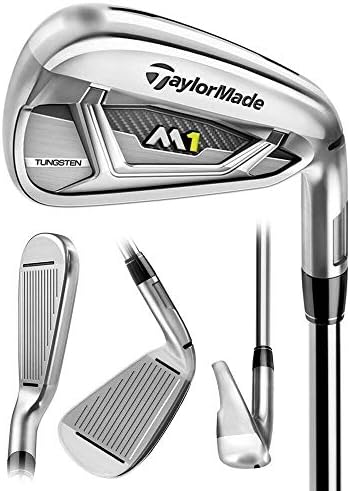
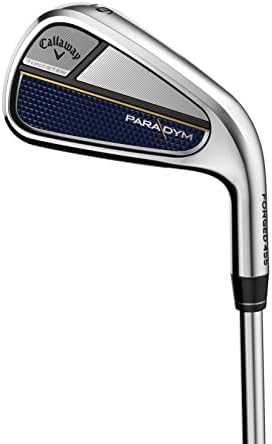
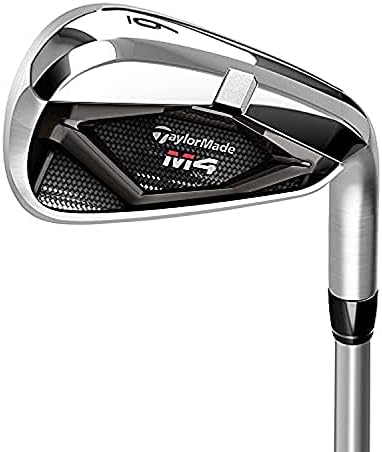
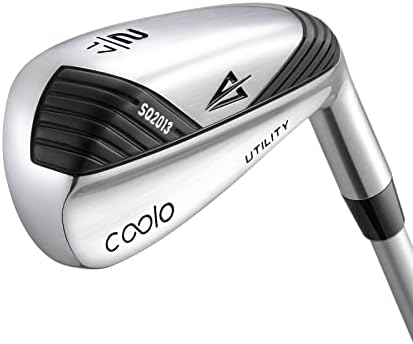
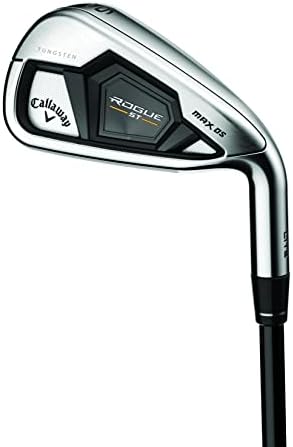
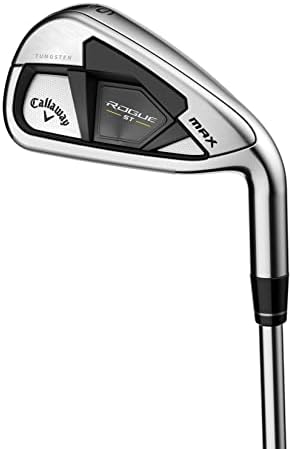
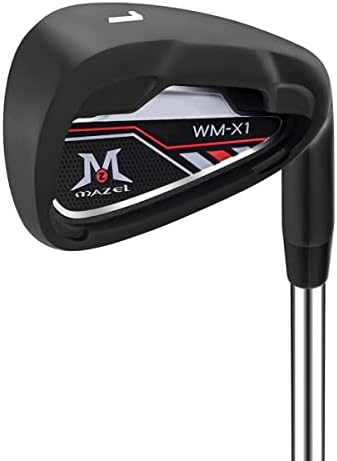
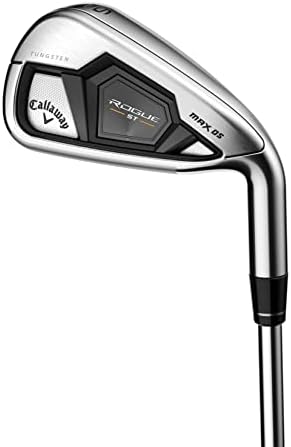
Introduction Every golfer knows the thrill of flushing an iron shot and the frustration of a mis-hit. But here’s the truth: it’s not always your swing at fault. More often than not, the irons in your bag determine how well you strike the ball. Learning how to select the right irons for your swing style can make the difference between inconsistent play and steady improvement. Why the Right Irons Matter Irons are used for nearly every type of shot—approaches, layups, punch-outs, and more. Because they’re so versatile, the wrong set of irons magnifies your weaknesses, while the right set enhances your natural swing style. Choosing correctly means more greens in regulation, tighter dispersion, and ultimately lower scores. Understanding Swing Styles Before selecting irons, identify your swing type: Knowing your swing style helps you pick irons designed to complement your motion. Forgiveness vs. Workability Game-Improvement Irons Best for beginners or high handicappers. They feature larger clubheads, wider soles, and perimeter weighting for forgiveness. Perfect if your priority is consistency. Players Irons Favored by low handicappers. They’re compact with thinner top lines and less offset, designed for precision and shot-shaping rather than forgiveness. Players Distance Irons A blend of both worlds. These offer some forgiveness while maintaining a sleek look and workable feel. Ideal for mid-handicappers looking to advance. Shaft Considerations The shaft is just as important as the head. Lie Angle and Accuracy Lie angle dictates direction. Too upright sends shots left, too flat pushes them right. Even a degree or two off can cost accuracy. A fitting ensures your irons sit square at impact, promoting straighter shots. Loft Gapping and Consistency Make sure the lofts between irons are consistent. Modern sets sometimes have stronger lofts, leading to distance overlaps. Proper gapping ensures each club covers a predictable yardage, preventing awkward distance gaps in your bag. Clubhead Design and Swing Style Grip Size and Comfort Grips that are too small cause overactive hands, leading to hooks. Too large, and you’ll block shots. The right grip size improves comfort, consistency, and control across all irons. Custom Fitting: The Smart Choice Professional fittings measure swing speed, ball flight, launch angle, spin, and strike location. With this data, a fitter can recommend the perfect iron specs for your swing style. Even small adjustments like lie angle or shaft weight can save strokes immediately. DIY Iron Selection Tips If you’re not ready for a full fitting, try these checks: The Confidence Factor When irons feel like an extension of your swing, confidence grows. You stop second-guessing and start trusting your mechanics. That mental edge is often the key to breaking through to the next handicap level. Conclusion Selecting the right irons for your swing style isn’t about buying what looks good—it’s about choosing equipment that complements your natural motion. With the right balance of forgiveness, shaft flex, and loft, you’ll hit more greens, control distance better, and gain confidence. In short, the right irons let your swing shine. FAQ Q1: Should beginners get fitted for irons?Yes. Starting with the right irons prevents bad habits and builds confidence early. Q2: What’s the difference between cavity backs and blades?Cavity backs are forgiving and easy to hit, while blades offer precision and workability for advanced players. Q3: Can shaft material affect my swing?Definitely. Graphite adds speed and distance, while steel gives control and feedback. Q4: How often should I replace irons?Every 5–7 years or when technology and your swing evolve. Q5: Can mixed iron sets help?Yes. Many golfers combine game-improvement long irons with players’ short irons for the best of both worlds.
How to Select the Right Irons for Your Swing Style Read More »