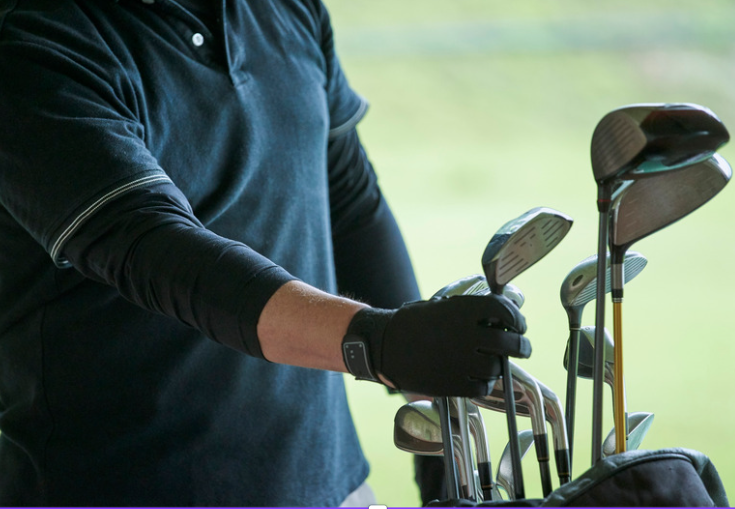

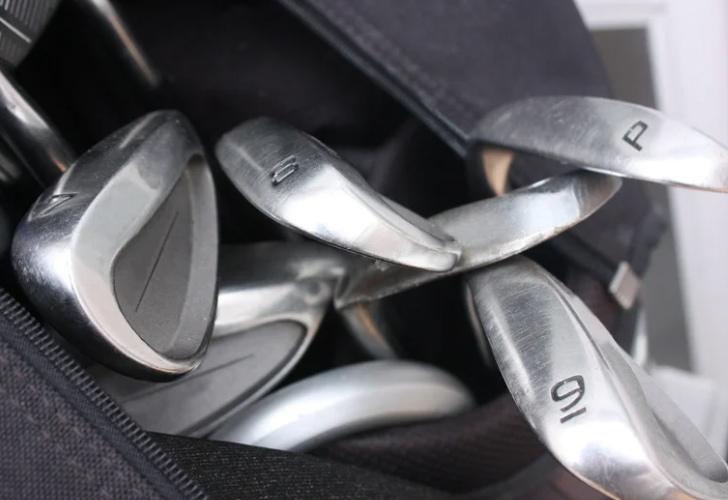
Accuracy Problems Caused by the Wrong Golf Clubs
Introduction Golf demands precision, yet many players unknowingly sabotage their own accuracy by using poorly fitted equipment. The truth is simple: accuracy problems wrong golf clubs create are more common than you think. Even with a great swing, the wrong shaft flex, loft, or length can send shots flying off target. Let’s uncover how mismatched clubs reduce accuracy and steal confidence. Why Accuracy Matters in Golf Accuracy is the backbone of scoring. While distance gets attention, accuracy ensures the ball ends up where you intended. When shots consistently miss left, right, or fall short, it’s often not just swing mechanics—it’s the clubs themselves. Because your equipment dictates ball flight, choosing the right fit matters as much as your practice. How Wrong Golf Clubs Affect Accuracy Club Length Errors Clubs that are too long make it difficult to control the swing plane. As a result, shots veer right or hook left. On the other hand, clubs that are too short cause players to hunch, which reduces stability and sends shots low and inconsistent. Lie Angle Problems A club that sits too upright pushes the ball left, while one that’s too flat sends it right. Even a degree or two off changes accuracy dramatically. Since the lie angle controls how the face meets the ground, it directly dictates direction. Shaft Flex Mismatch If the shaft is too stiff, it won’t load properly, leading to weak, pushed shots. But when it’s too flexible, the clubhead whips open or closed, creating hooks and slices. Matching flex to swing speed is crucial for accuracy. Grip Size and Accuracy Grip size often goes overlooked, yet it plays a huge role in accuracy. Oversized grips limit wrist movement, which leads to blocked shots. Undersized grips, however, cause too much wrist action, making it hard to square the face at impact. With the correct grip, hand action stays balanced and consistent. Club Weight and Balance The weight and balance of a club influence tempo. Heavy clubs drag down swing speed and release, while ultra-light clubs make timing difficult. Because accuracy depends on a square face at impact, balance ensures consistent contact and tighter shot patterns. Loft and Clubhead Design Too much loft balloons the ball into the air, often short and off target. Too little loft, in contrast, produces low bullets that roll out unpredictably. Clubhead design also matters: forgiving heads help mishits stay straighter, but smaller heads exaggerate directional errors. Consistency Issues Caused by Wrong Clubs Inconsistent equipment leads to inconsistent results. Mis-hits, fat shots, and thin strikes become the norm. Consequently, golfers struggle to predict distance or direction. The frustration builds because accuracy problems wrong golf clubs create are constant, even if your swing is improving. The Mental Side of Accuracy Loss Golfers often blame themselves for wild shots, but poorly fitted clubs amplify mistakes. Confidence erodes when good swings produce bad results. With the right fit, however, golfers feel more in control, trust their swing, and commit to every shot. Real Impact on Scoring Missing a fairway by 20 yards or landing short of the green doesn’t just cost strokes—it changes strategy. Data shows that accuracy problems caused by wrong golf clubs often add 4–6 shots per round. For competitive golfers, that’s the difference between breaking 90 and breaking 80. Signs You’re Using the Wrong Clubs Why Professional Club Fitting Improves Accuracy Professional fittings use swing analysis and launch monitors to find your ideal specs. Adjusting lie angle, length, grip, shaft, and loft transforms accuracy almost immediately. Instead of fighting your clubs, you let them work with your natural swing. DIY Accuracy Checks Before a Fitting These quick checks reveal whether accuracy problems wrong golf clubs cause are holding you back. Conclusion Accuracy problems wrong golf clubs create are subtle but devastating. From lie angle errors to mismatched shafts, every detail influences ball flight. Golfers who invest in the right equipment find not only straighter shots but also renewed confidence. Because when your clubs fit your game, accuracy returns, scores drop, and frustration disappears. FAQ Q1: Can wrong golf clubs cause slices or hooks?Yes. Incorrect lie angle or shaft flex exaggerates slices and hooks, making them harder to control. Q2: How often should I check my club fitting?Every 2–3 years, or sooner if your swing changes significantly. Q3: Do beginners need fitted clubs?Definitely. Starting with properly fitted clubs helps build accuracy and good habits early. Q4: Can changing grip size improve accuracy?Yes. The right grip size balances wrist action, helping you square the face consistently. Q5: How much accuracy can a fitting improve?Many golfers see 10–20 yard improvements in direction control and far fewer off-target misses.
Accuracy Problems Caused by the Wrong Golf Clubs Read More »