
GolfPeek Writer

Matching Golf Clubs to Your Swing Speed

Why Swing Speed Matters Think of swing speed as the engine powering your golf shots. A player with a slower swing needs help generating lift and distance, while a faster swinger must control power without losing accuracy. If your clubs don’t match your speed, you’re either leaving yards on the table or spraying shots all over the fairway. Common Mistakes Golfers Make with Club Fitting Many golfers buy clubs based on brand or what the pros use. But what works for Rory McIlroy or Nelly Korda won’t necessarily work for you. Playing with mismatched clubs is like running in shoes two sizes too big—possible, but uncomfortable and inefficient. Understanding Swing Speed How Swing Speed is Measured Swing speed is typically measured in miles per hour (MPH) using a launch monitor or radar device. It reflects how fast the clubhead is moving at impact. Average Swing Speeds by Player Type The Relationship Between Swing Speed and Distance The faster your swing speed, the more potential distance you can generate. But it’s not just about speed—it’s about efficiency, launch angle, and spin. A golfer with a slower, optimized swing can often hit the ball farther than a faster but poorly fit swinger. Golf Club Characteristics That Depend on Swing Speed Shaft Flex This is the most critical factor. Too stiff, and your ball flies low and right. Too flexible, and it balloons high with little control. Flex options range from Ladies (L) to Extra Stiff (X). Shaft Material (Steel vs Graphite) Clubhead Weight and Design Heavier heads offer stability for high swing speeds, while lighter heads benefit players needing extra speed. Loft and Launch Angle Slower swingers usually benefit from higher lofts, as they need help getting the ball airborne. Matching Drivers to Swing Speed Low Swing Speed Driver Recommendations For speeds under 80 MPH, drivers with higher lofts (12–15°) and lightweight shafts work best. Medium Swing Speed Driver Options At 80–95 MPH, golfers should look for adjustable drivers that balance forgiveness with distance. High Swing Speed Driver Preferences Those swinging over 100 MPH can use lower-lofted drivers with stiffer shafts to maximize control. Matching Irons to Swing Speed Forgiveness vs Workability Slower swingers benefit from cavity-back irons, which provide forgiveness. Faster swingers often prefer blades for shaping shots. Shaft Length and Weight Adjustments Longer, lighter shafts add speed, but may sacrifice accuracy. Finding the right balance is key. Blade vs Cavity Back Irons Blades reward precision but punish inconsistency. Cavity backs suit most recreational golfers. Wedges and Swing Speed Bounce and Loft Selection Swing speed impacts spin control. Lower swing speeds benefit from higher lofts to add lift. Control vs Power Considerations Faster swingers often reduce loft for better control, while slower swingers need added loft for carry. Putters and Swing Speed Does Swing Speed Affect Putter Choice? Not directly. Putting is more about feel than swing speed. Stability and Feel in Putters However, players with faster, firmer strokes might prefer heavier mallet putters, while lighter putters suit softer strokes. Swing Speed Categories and Club Recommendations Under 80 MPH – Slow Swing Speed 80–95 MPH – Moderate Swing Speed 95+ MPH – Fast Swing Speed The Role of Technology in Fitting Launch Monitors and Data Tracking Devices like TrackMan provide detailed feedback on swing speed, launch angle, and spin. Golf Simulators and Club Testing Indoor simulators allow golfers to test clubs without leaving the shop. DIY Methods for Estimating Swing Speed Using Smartphone Apps Apps can provide rough estimates, though not as precise as professional monitors. Range Testing and Observation Compare carry distances with published averages to estimate swing speed. Professional Fitting vs Guesswork Why Professional Fitting is Worth It Custom fitting ensures your clubs are designed for your unique swing, not a one-size-fits-all approach. Long-Term Benefits of Properly Fitted Clubs Better consistency, improved confidence, and fewer wasted strokes. Tips for Improving Swing Speed Fitness and Flexibility Training Exercises that build core strength and flexibility can add several MPH to your swing. Swing Mechanics and Drills Simple drills, like swinging a weighted club, improve speed without losing control. Common Myths About Swing Speed and Clubs “Faster Always Means Better” Not true. A fast swing without control leads to poor results. “Senior Golfers Can’t Increase Swing Speed” Also false. With the right fitness and equipment, seniors can absolutely add speed. Conclusion Matching golf clubs to your swing speed isn’t about copying what the pros use—it’s about finding the right fit for your game. Whether you swing fast, slow, or somewhere in between, properly matched clubs can make golf more enjoyable and help you play your best round yet. FAQ How do I know if my swing speed is too slow for my clubs?If you struggle to get the ball airborne or consistently hit it short, your clubs may be too stiff or heavy. Can the wrong clubs damage my swing?Yes, using clubs mismatched to your swing speed can create bad habits and inconsistent mechanics. Do women need different clubs based on swing speed?Absolutely. Women often benefit from lighter shafts and higher lofts, but it all comes down to individual swing speed. How often should I get my swing speed tested?At least once a year, or whenever you notice a significant change in your game. Can swing speed change over time?Yes. Age, fitness, and training all impact swing speed, so clubs should be updated as your swing evolves.

Matching Golf Clubs to Your Swing Speed Read More »

Effects of the Wrong Lie Angle on Your Golf Swing

Effects of the Wrong Lie Angle on Your Golf Swing When it comes to golf, small details can make a big difference. One of the most overlooked aspects of your golf clubs is the lie angle—the angle formed between the shaft of the club and the ground when the sole rests flat at address. If your lie angle is off, even by a couple of degrees, it can have a major impact on your ball flight, accuracy, and overall consistency. Let’s break down what happens when your clubs have the wrong lie angle and why getting it right is crucial for your swing. What Is Lie Angle? The lie angle is the tilt of the golf club shaft compared to the ground when the club is placed properly at address. Ideally, the sole of the club should make even contact with the ground during impact. If it doesn’t, problems occur. Why Lie Angle Matters The lie angle directly influences the direction of your ball flight. Even if you make a perfect swing, the wrong lie angle can send your shot left or right of target. Unlike loft, which controls trajectory and distance, lie angle controls aim and accuracy. Effects of a Lie Angle That Is Too Upright When the toe of the club is off the ground at impact (upright angle), the heel digs into the turf. This is common among golfers who are shorter or use clubs designed for taller players without adjustments. Effects of a Lie Angle That Is Too Flat When the heel of the club is off the ground at impact (flat angle), the toe digs into the turf. This often affects taller golfers or those with a more upright posture using clubs built for shorter players. Impact on Distance Control A wrong lie angle doesn’t just affect direction—it also reduces distance. Off-center strikes from digging heels or toes lower ball speed and spin efficiency, costing you precious yards. Turf Interaction Problems When the sole doesn’t sit flush: This can affect confidence and rhythm in your swing. Effects on Ball Striking Consistency Consistency is everything in golf. If your clubs don’t match your natural setup, even a repeatable swing produces inconsistent results. That’s why lie angle is critical for repeatable ball striking. Signs Your Lie Angle Might Be Wrong The Role of Swing Mechanics While lie angle is equipment-related, it interacts with your swing. Players with more upright swings may need flatter clubs, while flatter swings may require more upright lies. Fitting balances your mechanics with your equipment. Adjustable vs. Fixed Lie Angles How a Club Fitting Solves the Problem Professional club fitting uses lie boards, impact tape, and launch monitors to measure your swing. Fitters adjust lie angles so that your club’s sole meets the turf evenly at impact, ensuring straighter, more consistent shots. Lie Angle and Different Clubs Common Mistakes Golfers Make Correcting Lie Angle Issues Long-Term Benefits of Proper Lie Angle Conclusion The wrong lie angle can quietly sabotage your golf swing, turning good swings into frustrating misses. Whether too flat or too upright, the consequences are the same: lost accuracy, reduced distance, and inconsistent ball striking. The good news is that lie angle can be adjusted, and a professional fitting ensures your clubs match your body and swing. If you want straighter shots and more consistency, getting your lie angle checked is one of the smartest moves you can make. FAQ What happens if my lie angle is too upright?Your shots will often miss left (for right-handed players), leading to pulls and hooks. What happens if my lie angle is too flat?Your shots will tend to miss right, often resulting in pushes and slices. How do I know if my lie angle is wrong?Check your divots. If they’re deeper on the heel or toe side, or if you consistently miss left or right despite a solid swing, your lie angle may be off. Can lie angle be adjusted on all clubs?Most irons and wedges can be bent to adjust lie angle. Drivers and woods usually have limited or adjustable hosel settings. How often should I check my lie angle?Every couple of years, or anytime your swing changes significantly, it’s wise to recheck your club fitting.

Effects of the Wrong Lie Angle on Your Golf Swing Read More »

Why Playing Any Ball Without Considering Performance Hurts Your Game

Introduction Most golfers obsess over their driver, irons, and even grips, yet they often neglect one piece of equipment used on every single shot—the golf ball. Choosing the wrong ball, or constantly switching between models, is a recipe for inconsistency. Simply put, golf ball performance hurts game outcomes more than most players realize. From distance loss to poor spin control, ignoring ball performance costs you accuracy, confidence, and strokes. Why Golf Ball Performance Hurts Game if You Ignore It Golf balls aren’t “all the same.” Each model is built differently, with unique compression, cover materials, and spin profiles. Playing a random ball without considering performance is like wearing the wrong size shoes—you can still play, but you’ll always struggle. By ignoring ball fitting, you sacrifice distance, accuracy, and short-game control. How Compression and Spin Influence Ball Performance alt=”golf ball performance hurts game distance control” Compression refers to how much the ball compresses at impact. Spin also plays a huge role: If these don’t match your swing, you’ll struggle with both distance and accuracy. The Role of Construction in Performance alt=”golf ball performance comparison for accuracy” Golf balls are designed in layers: Choosing the wrong construction limits your potential. A low-handicapper using a two-piece ball loses greenside control, while a beginner playing a premium tour ball pays for features they can’t yet use. Consistency Problems: When Golf Ball Performance Hurts Game the Most Consistency matters more than anything in golf. Yet many golfers switch balls every round—or even mid-round—based on what they find in the rough. This creates unpredictable distances, spin, and feel. If you want to improve, stick with one model so you always know how it will react. Short Game Impact of Golf Ball Performance alt=”golf ball performance hurts game consistency putting” The short game is where the wrong ball costs the most. Cheaper balls often skid or bounce off the putter face, ruining distance control. Around the greens, hard covers roll out too far instead of checking up. Premium balls, on the other hand, spin and stop where you expect them to, making up-and-downs much easier. Common Mistakes Golfers Make with Ball Choice Each mistake leads to inconsistency—and more strokes on your card. How the Wrong Ball Affects Your Scores If you’re still not convinced, here’s what happens when you ignore ball performance: Once again, golf ball performance hurts game results by multiplying mistakes across every hole. How to Select the Right Golf Ball The Confidence Factor Golf is a mental game. When you trust your ball, you swing with more freedom. Knowing exactly how it reacts on drives, chips, and putts eliminates second-guessing. That mental boost often lowers scores just as much as the technical advantages. Conclusion The golf ball isn’t just a detail—it’s the foundation of your performance. Playing any ball without considering compression, spin, or construction will always hold you back. The truth is clear: golf ball performance hurts game results if ignored, but the right ball brings consistency, accuracy, and confidence. Stick to one model, match it to your swing, and watch your scores drop. FAQ Q1: Does golf ball performance really matter for beginners?Yes. Starting with the right ball builds good habits and prevents frustration. Q2: Do premium balls always perform better?Not always. A slower swinger may benefit more from a low-compression budget ball. Q3: How do I test golf balls effectively?Start on the putting green and short game area. That’s where differences show fastest. Q4: Can the wrong ball hurt putting?Absolutely. Harder covers feel inconsistent off the putter face. Q5: How often should I change balls?Every 2–3 rounds, or immediately if the cover is scuffed or cut.

Why Playing Any Ball Without Considering Performance Hurts Your Game Read More »

Self-Assessment Tips for Better Golf Club Fitting

Introduction Golfers often rush into professional fittings without first understanding their own swing. While expert fitters use advanced tools, you can still make a huge difference by performing a simple self-assessment. These insights help you walk into a fitting prepared, saving time and ensuring your clubs are matched to your natural game. By learning self-assessment tips for better golf club fitting, you take control of your equipment choices and build confidence before you even step into a fitting bay. Why Self-Assessment Matters in Golf Club Fitting Professional fitters rely on data, but you know your swing habits best. Paying attention to common patterns—like whether you slice, hook, or top shots—guides the fitting process. More importantly, self-awareness helps you avoid blaming your swing for what is often an equipment issue. Tip #1: Track Your Ball Flight Patterns Pay close attention to the shape of your shots: By tracking your tendencies, you provide valuable information to your fitter. Tip #2: Examine Your Divots Divots reveal how the club interacts with the turf: This simple observation helps narrow down iron designs that fit your swing style. Tip #3: Measure Your Posture and Comfort Stand naturally at address. If you feel hunched, the clubs might be too short. If you’re reaching, they might be too long. Proper posture ensures your body and clubs are working together instead of against each other. Tip #4: Test Your Grip Size Grips play a bigger role than most golfers think: Wrap your hands around the grip. If your fingertips dig too much into your palm, it’s undersized. If there’s no contact at all, it’s oversized. Tip #5: Check Swing Speed Swing speed is critical for shaft selection. While you might not have a launch monitor, you can estimate: Knowing your swing speed guides shaft choice before testing. Tip #6: Note Missed Shot Patterns Ask yourself: what is your most common miss? Do you thin the ball, hit fat shots, or block it right? Each miss provides clues: Patterns show whether clubs amplify or correct your swing flaws. Tip #7: Test Distance Gapping Between Clubs Hit several shots with your irons and track yardages. If your 7-iron and 8-iron go nearly the same distance, the lofts or shafts may not suit you. Proper gapping ensures consistent spacing between clubs for smarter course management. Tip #8: Watch for Fatigue If you tire quickly when hitting balls, your shafts may be too heavy. Clubs should feel like an extension of your body, not a burden. A self-check for fatigue prevents choosing clubs that wear you out mid-round. Tip #9: Observe Your Putter Stroke Even before a fitting, you can check your putting style: Identifying your natural stroke path makes a putter fitting faster and more accurate. Tip #10: Keep a Swing Journal Document your on-course and practice experiences. Track shot patterns, comfort levels, and club performance. Bringing this journal to a fitting session provides your fitter with real-world context. The Benefits of Self-Assessment Before Fitting When you know your swing tendencies, the fitting becomes more personalized and results-driven. Conclusion Self-assessment isn’t about replacing professional fitting—it’s about preparing for it. By tracking ball flight, divots, grip comfort, and swing speed, you give your fitter the best starting point. Ultimately, these self-assessment tips for better golf club fitting ensure your clubs match your natural game, helping you play with more confidence, consistency, and enjoyment. FAQ Q1: Can self-assessment replace professional fitting?No. Self-assessment prepares you, but professional technology fine-tunes the details. Q2: How accurate are self-checks for swing speed?They’re estimates, but they help narrow down shaft options before testing. Q3: Should beginners self-assess before fitting?Yes. Beginners benefit by learning their tendencies and avoiding bad habits. Q4: What’s the easiest self-assessment tip to start with?Tracking ball flight is the simplest and most revealing first step. Q5: How often should I reassess my swing?Every season or whenever you notice big changes in performance.

Self-Assessment Tips for Better Golf Club Fitting Read More »

Common Mistakes Golfers Make with Club Fitting

Introduction Golfers spend hours practicing swings, watching tutorials, and trying to improve their scores. Yet many overlook one of the most important aspects of the game: proper club fitting. Even when golfers get fitted, they often make mistakes that limit the results. Understanding these errors helps you avoid wasting money and ensures that your equipment truly matches your swing. Mistake #1: Skipping Club Fitting Altogether The biggest mistake is ignoring club fitting entirely. Too many golfers buy clubs off the rack, assuming they’ll adapt. While this might work for some, most players struggle with accuracy, distance, and consistency because their clubs don’t match their swing. Mistake #2: Focusing Only on the Driver Many golfers believe only the driver needs to be fitted. However, irons, wedges, hybrids, and even putters play crucial roles in scoring. A driver fitting might add distance, but poor-fitting irons or wedges still cost strokes on approaches and short game. Mistake #3: Ignoring Shaft Flex and Weight Shafts are often overlooked during fittings. Choosing the wrong flex or weight throws off timing, causing slices, hooks, or inconsistent contact. Matching shaft flex to swing speed ensures the club delivers maximum energy to the ball. Mistake #4: Not Paying Attention to Lie Angle Lie angle determines how the club sits at impact. If it’s too upright, shots pull left; if it’s too flat, they push right. Many golfers accept these misses as swing flaws, when in fact the club is the problem. Mistake #5: Forgetting About Grip Size Grips affect control more than most realize. Too small, and your hands over-rotate. Too large, and you block shots. During a fitting, many golfers overlook this simple adjustment that could immediately improve accuracy. Mistake #6: Choosing Looks Over Performance Some golfers pick irons because they “look sleek” or drivers because they’re popular on tour. While appearance matters, performance matters more. A set that complements your swing style is far more valuable than a club that looks good in the bag. Mistake #7: Not Considering Swing Style Steep swingers, sweepers, and neutral swingers need different club designs. A player who digs deep divots will benefit from wider soles, while sweepers need thinner soles for cleaner turf interaction. Ignoring swing style leads to constant mis-hits. Mistake #8: Overlooking Wedge Gapping Many golfers buy wedges without thinking about loft spacing. Improper gapping creates overlaps or large distance gaps, making scoring shots inconsistent. Proper wedge fitting ensures smooth transitions between clubs. Mistake #9: Not Testing Different Options During fittings, some golfers accept the first club recommended. The smarter approach is to test multiple shafts, heads, and lofts. By comparing, you find the best option—not just a good one. Mistake #10: Forgetting About the Putter The putter accounts for nearly 40% of strokes, yet it’s the least-fitted club in most bags. A poorly fitted putter can cause alignment issues and poor distance control. Skipping a putter fitting is leaving strokes on the green. Mistake #11: Not Updating Clubs Regularly Swings evolve over time. What fit perfectly three years ago may not work today. Aging, strength changes, and flexibility shifts all affect your swing. Ignoring updated fittings keeps you stuck with mismatched clubs. Mistake #12: Ignoring Launch Monitor Data During fittings, launch monitors provide valuable insights on spin, launch angle, and ball speed. Some golfers rely only on feel, ignoring the data. Combining both ensures the most accurate fitting results. Mistake #13: Fitting on a “Good Swing Day” Only If you get fitted on a rare day when your swing feels perfect, results might not reflect your true average. It’s better to fit based on your typical swing, not your best one, to ensure clubs suit everyday play. Mistake #14: Skipping Professional Help DIY fitting is possible, but it often misses key details like lie angle adjustments or swing weight. Professional fitters bring expertise and technology to pinpoint exact needs. Skipping their help often means settling for less-than-perfect results. Conclusion Club fitting is one of the smartest investments a golfer can make—but only if it’s done correctly. Avoiding these common mistakes ensures you get the most from your equipment. From grip size to shaft flex and putter fitting, every detail matters. Remember, properly fitted clubs don’t just improve distance—they improve confidence, accuracy, and consistency. FAQ Q1: How often should I get fitted for clubs?Every 2–3 years, or sooner if your swing changes significantly. Q2: Is club fitting worth it for beginners?Yes. Beginners benefit from learning with equipment that suits their swing. Q3: Can I fit just one club at a time?Absolutely. Start with your driver or irons and expand later. Q4: Do I need new clubs for fitting?Not always. Sometimes adjusting lie angle, loft, or grip on your current clubs is enough. Q5: How long does a full fitting take?Usually between 1–2 hours, depending on how many clubs you’re fitting.

Common Mistakes Golfers Make with Club Fitting Read More »

Why a Fitted Putter Can Transform Your Putting

Introduction Ask any golfer what part of the game costs them the most strokes, and many will say putting. It’s the simplest motion in golf, yet also the trickiest. Often, the problem isn’t your technique—it’s your equipment. A fitted putter can transform your putting because it matches your stroke, posture, and grip, making every roll smoother and more consistent. If you’ve been struggling with short misses or poor distance control, your putter fit might be the hidden issue. The Importance of Putter Fitting Unlike drivers or irons, putters don’t rely on power—they rely on precision. Even the slightest misalignment or improper shaft length throws off direction and distance. A fitted putter ensures that the setup feels natural, allowing your stroke to flow without adjustments. When the equipment matches you, confidence grows. How a Fitted Putter Improves Performance 1. Proper Length for Your Setup If your putter is too long, you stand too upright, causing inconsistency in your stroke path. Too short, and you hunch over, leading to poor alignment. The right length promotes comfortable posture and repeatable strokes. 2. Correct Lie Angle Lie angle determines how the putter sole sits on the ground. If the toe or heel is up at impact, the ball veers offline. A proper lie angle keeps the putter square, rolling the ball straight. 3. Matching Head Style to Stroke Type Choosing the wrong head type forces unnatural compensations. The right head style, however, works with your natural stroke. 4. Grip Size and Feel Grip affects control. Oversized grips steady shaky hands and reduce wrist movement. Standard grips allow more feel. Matching grip size to preference and stroke helps stabilize the putter at impact. 5. Weight and Balance Too heavy slows your stroke, too light makes distance control difficult. Fitting balances the putter to your tempo, improving pace and consistency. Common Problems a Fitted Putter Fixes By addressing these issues, a fitted putter saves strokes where they matter most—on the green. The Mental Boost of a Fitted Putter Putting is largely mental. Confidence breeds success. When you know your putter fits your stroke perfectly, you stop second-guessing. Instead, you focus on reading greens and trusting the stroke. That shift alone can lower your putts per round dramatically. Professional Putter Fitting Process During a fitting, professionals analyze: Using this data, they recommend adjustments in length, lie, loft, head design, and grip. The result is a putter that feels like an extension of your hands. DIY Checks Before a Fitting Real Results From a Fitted Putter Golfers often report immediate improvements in putts per round after getting fitted. Some cut 3–5 strokes without changing technique, simply because their putter now works with them instead of against them. Conclusion Putting makes up nearly 40% of your strokes, so why leave it to chance? A fitted putter transforms your putting by improving alignment, consistency, and confidence. With the right length, lie angle, grip, and head style, you eliminate compensations and free up your stroke. If you’re serious about lowering scores, investing in a putter fitting might be the smartest move you’ll ever make. FAQ Q1: Is a fitted putter only for pros?No. Every golfer, from beginner to advanced, benefits from a putter that matches their stroke. Q2: How much does a putter fitting cost?Most fittings cost between $50 and $150, depending on location and technology. Q3: Can the wrong putter hurt my game?Yes. Misfit putters cause alignment issues, poor distance control, and lack of confidence. Q4: How long does a putter fitting take?Usually 30–60 minutes with a professional fitter. Q5: Do I need to buy a new putter after fitting?Not always. Sometimes minor adjustments to grip, loft, or lie angle can fix your current putter.

Why a Fitted Putter Can Transform Your Putting Read More »

Benefits of Custom Golf Club Fitting for Every Golfer

Introduction Have you ever hit a shot that felt perfect only to watch the ball veer off course? Chances are, the issue wasn’t your swing but your clubs. The truth is, the benefits of custom golf club fitting go far beyond what most golfers realize. Properly fitted clubs transform your game by improving accuracy, distance, and consistency—no matter your skill level. Why Custom Fitting Matters in Golf Golf is a sport of precision, where even tiny adjustments affect outcomes. Off-the-rack clubs may seem convenient, but they’re designed for “average” players. And let’s face it—there’s no such thing as an average golfer. Everyone has a unique body, swing speed, and playing style. That’s why custom fitting makes such a difference. The Science Behind Club Fitting Custom fitting relies on physics and biomechanics. Every golfer’s swing path, angle of attack, and release pattern are unique. When clubs match these traits, energy transfers efficiently from your swing to the ball. The result? More distance and straighter shots. How Equipment Influences Swing and Ball Flight Wrongly fitted clubs force compensations. Maybe you adjust your stance, grip tighter, or swing differently just to make the club work. Over time, these adjustments become bad habits. With custom clubs, your natural swing shines, leading to more consistent ball flights. Key Benefits of Custom Golf Club Fitting Improved Accuracy on Every Shot One of the biggest benefits of custom golf club fitting is accuracy. When your lie angle, shaft flex, and length are dialed in, shots start flying straighter. That means more fairways hit and more greens in regulation. Maximizing Distance Without More Effort Distance isn’t only about swing speed. If your shaft is too stiff, you lose power. If it’s too soft, shots balloon. Properly fitted clubs unlock hidden yards without extra effort. Suddenly, your 7-iron goes the distance it should. Consistency Across the Bag Ever wonder why your 8-iron and 9-iron seem to go the same distance? Poorly gapped lofts are often the cause. Custom fitting ensures consistent yardage gaps, so each club has a purpose. That makes club selection easier and smarter. Injury Prevention Through Proper Fit Ill-fitted clubs can strain your back, wrists, or shoulders. Too-short clubs make you hunch; too-heavy clubs tire your body. With properly fitted clubs, posture improves, swing feels natural, and injuries are less likely. Boosted Confidence and Mental Game Confidence is priceless in golf. When you know your clubs fit you perfectly, self-doubt fades. You can focus on execution instead of wondering, “Is this club right for me?” That peace of mind alone lowers scores. How Custom Golf Club Fitting Works The Professional Fitting Process Explained A custom fitting usually starts with an interview. The fitter asks about your game, goals, and challenges. Next, you hit shots while data is recorded using advanced tools. Based on the results, adjustments are made until the setup feels perfect. Technology Used in Modern Fittings Launch monitors, high-speed cameras, and swing analyzers provide data on launch angle, spin, ball speed, and dispersion. These insights reveal exactly which specs you need. Data Points Fitters Analyze Each data point guides fine-tuning, ensuring every club is matched to your swing. Essential Elements in Custom Club Fitting Club Length and Swing Comfort If a club is too long, it throws off your swing plane. Too short, and you crouch uncomfortably. The right length promotes natural posture and smooth contact. Lie Angle and Ball Direction Even one degree off can push shots left or right. A corrected lie angle ensures straighter ball flights and fewer directional misses. Shaft Flex and Swing Speed A stiff shaft limits distance for slow swingers. A soft shaft causes hooks for fast swingers. Matching shaft flex maximizes distance and accuracy. Loft Adjustments for Distance Control Proper loft ensures ideal launch and consistent gapping between clubs. No more guessing if your 6-iron overlaps with your 7-iron. Grip Size for Better Control Grips that are too small cause hooks. Too large, and you block shots. The right grip size balances wrist action for square impact. Clubhead Design for Your Swing Style Cavity backs, blades, or hybrids—clubhead design should match your needs. Game-improvement heads boost forgiveness, while players’ irons prioritize workability. Custom Fitting for Different Types of Golfers Beginners: Building the Right Foundation Beginners benefit immensely from fitted clubs. Starting with equipment that matches your body avoids bad habits and makes the game more enjoyable. Intermediate Golfers: Breaking Through Plateaus When you’ve played for a while, improvement slows. Custom clubs unlock new levels of performance by correcting subtle inefficiencies in your game. Low Handicappers: Precision and Performance Gains For skilled golfers, small tweaks make big differences. Fitted clubs sharpen precision and allow for advanced shot-shaping. Senior Golfers: Adapting to Changing Swing Speeds As swing speed decreases, fitted clubs restore distance and consistency. Lighter shafts and adjusted lofts help seniors stay competitive. Women Golfers: Clubs Designed for Swing Dynamics Women often have different swing speeds and body mechanics. Custom fitting ensures equipment is designed for these unique dynamics. Common Misconceptions About Custom Club Fitting “It’s Only for Professionals” False. Every golfer benefits, from beginners to pros. “It’s Too Expensive” While there’s an upfront cost, the long-term benefits outweigh it. Fewer mis-hits and lower scores save money on lost balls and frustration. “Off-the-Rack Clubs Work Fine” They might, but chances are they’re not optimized. Even small tweaks in lie angle or grip size make a huge difference. DIY Checks Before a Professional Fitting Ball Flight Patterns to Notice Consistently slicing or hooking? That’s often a fitting issue. Divot Shape and Turf Interaction Too deep or shallow divots reveal lie angle and swing path mismatches. Comfort Test at Address If a club feels awkward when you set up, specs are likely off. The Long-Term Value of Custom Fitting Lower Scores and Fewer Penalty Strokes Straighter shots and proper distances reduce wasted strokes. Better Practice Efficiency Instead of compensating for ill-fitted clubs, you can practice improving technique. Enjoying the Game More When equipment feels right, golf becomes more fun.

Benefits of Custom Golf Club Fitting for Every Golfer Read More »

How to Select the Right Irons for Your Swing Style

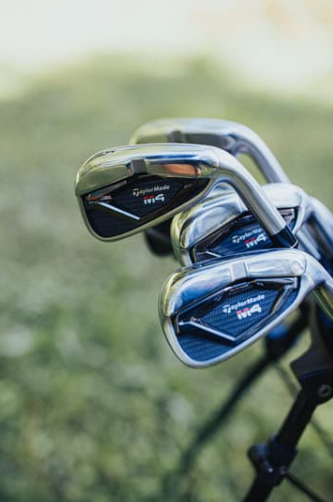
Introduction Every golfer knows the thrill of flushing an iron shot and the frustration of a mis-hit. But here’s the truth: it’s not always your swing at fault. More often than not, the irons in your bag determine how well you strike the ball. Learning how to select the right irons for your swing style can make the difference between inconsistent play and steady improvement. Why the Right Irons Matter Irons are used for nearly every type of shot—approaches, layups, punch-outs, and more. Because they’re so versatile, the wrong set of irons magnifies your weaknesses, while the right set enhances your natural swing style. Choosing correctly means more greens in regulation, tighter dispersion, and ultimately lower scores. Understanding Swing Styles Before selecting irons, identify your swing type: Knowing your swing style helps you pick irons designed to complement your motion. Forgiveness vs. Workability Game-Improvement Irons Best for beginners or high handicappers. They feature larger clubheads, wider soles, and perimeter weighting for forgiveness. Perfect if your priority is consistency. Players Irons Favored by low handicappers. They’re compact with thinner top lines and less offset, designed for precision and shot-shaping rather than forgiveness. Players Distance Irons A blend of both worlds. These offer some forgiveness while maintaining a sleek look and workable feel. Ideal for mid-handicappers looking to advance. Shaft Considerations The shaft is just as important as the head. Lie Angle and Accuracy Lie angle dictates direction. Too upright sends shots left, too flat pushes them right. Even a degree or two off can cost accuracy. A fitting ensures your irons sit square at impact, promoting straighter shots. Loft Gapping and Consistency Make sure the lofts between irons are consistent. Modern sets sometimes have stronger lofts, leading to distance overlaps. Proper gapping ensures each club covers a predictable yardage, preventing awkward distance gaps in your bag. Clubhead Design and Swing Style Grip Size and Comfort Grips that are too small cause overactive hands, leading to hooks. Too large, and you’ll block shots. The right grip size improves comfort, consistency, and control across all irons. Custom Fitting: The Smart Choice Professional fittings measure swing speed, ball flight, launch angle, spin, and strike location. With this data, a fitter can recommend the perfect iron specs for your swing style. Even small adjustments like lie angle or shaft weight can save strokes immediately. DIY Iron Selection Tips If you’re not ready for a full fitting, try these checks: The Confidence Factor When irons feel like an extension of your swing, confidence grows. You stop second-guessing and start trusting your mechanics. That mental edge is often the key to breaking through to the next handicap level. Conclusion Selecting the right irons for your swing style isn’t about buying what looks good—it’s about choosing equipment that complements your natural motion. With the right balance of forgiveness, shaft flex, and loft, you’ll hit more greens, control distance better, and gain confidence. In short, the right irons let your swing shine. FAQ Q1: Should beginners get fitted for irons?Yes. Starting with the right irons prevents bad habits and builds confidence early. Q2: What’s the difference between cavity backs and blades?Cavity backs are forgiving and easy to hit, while blades offer precision and workability for advanced players. Q3: Can shaft material affect my swing?Definitely. Graphite adds speed and distance, while steel gives control and feedback. Q4: How often should I replace irons?Every 5–7 years or when technology and your swing evolve. Q5: Can mixed iron sets help?Yes. Many golfers combine game-improvement long irons with players’ short irons for the best of both worlds.

How to Select the Right Irons for Your Swing Style Read More »

Swing Issues Caused by the Wrong Driver Fit

Introduction When golfers struggle off the tee, they often blame their swing. Yet in many cases, the real culprit is the driver itself. The wrong driver fit creates a host of swing issues that make consistency nearly impossible. From slices to hooks to weak ball flights, ill-fitted drivers sabotage distance and accuracy. The good news? With the right fit, those problems disappear, and your driver becomes a weapon instead of a liability. Why Driver Fitting Is Essential The driver is the longest, most powerful club in your bag—and the hardest to control. Because it’s used on nearly every par 4 and par 5, a poor driver fit compounds mistakes. The wrong loft, shaft, or head design changes your swing mechanics, forcing compensations that lead to bad habits. Conversely, a properly fitted driver works with your natural swing, helping you hit more fairways and reduce scores. Common Swing Issues From a Poor Driver Fit Slices Caused by the Wrong Shaft Flex If your shaft is too stiff, it won’t bend enough, leaving the face open at impact. The result is the dreaded slice. On the other hand, if the shaft is too flexible, timing becomes inconsistent, and you might hook the ball badly. Inconsistent Launch From Wrong Loft Loft determines launch angle. Too little loft produces low bullets that dive, while too much loft balloons shots into the air. Either way, distance suffers. Swing Plane Problems From Incorrect Length A driver that’s too long makes it harder to control the swing plane, often causing pushes, pulls, or off-center contact. Too short, and you crouch into an awkward posture that restricts power. Timing Issues From Poor Swing Weight When the driver is too heavy, your swing slows, and you can’t release properly. Too light, and you rush the swing, losing rhythm. Both cause inconsistent strikes and offline shots. How the Wrong Driver Creates Bad Habits Golfers naturally adapt to their equipment. If your driver doesn’t fit, you’ll subconsciously adjust your swing. That might mean changing grip pressure, altering stance, or manipulating the release. Over time, these “fixes” become ingrained habits that are hard to break, even after switching clubs. This is why getting fit early prevents long-term swing flaws. Distance Loss From Ill-Fitted Drivers It’s not just accuracy—you lose yards too. A poorly matched driver robs ball speed and reduces carry. Studies show that an incorrect shaft flex alone can cost 10–20 yards. Combine that with wrong loft or length, and you’re losing distance on nearly every tee shot. The Confidence Factor Confidence off the tee sets the tone for every hole. If you’re constantly fighting slices or mis-hits, frustration builds. With a fitted driver, you swing freely, trusting that the club will deliver. That mental shift often lowers scores as much as the physical improvements. Signs Your Driver Doesn’t Fit If any of these sound familiar, your driver is likely working against you. The Professional Driver Fitting Process During a fitting, experts analyze: Adjustments are then made to shaft flex, loft, lie angle, length, and head design. Once optimized, your swing feels effortless, and the ball flies straighter with more distance. DIY Driver Fit Checks Before a professional fitting, try these quick checks: These clues indicate whether your driver is helping—or hurting—your swing. Conclusion The wrong driver fit creates more than just bad shots—it builds bad habits. From slices to weak launches, every swing issue is magnified by mismatched equipment. Fortunately, a proper driver fitting can fix these problems quickly. With the right shaft, loft, and length, your swing becomes smoother, your confidence returns, and your scores begin to drop. FAQ Q1: Can a driver fitting fix my slice?Yes, a proper shaft flex and lie angle often corrects or reduces slices significantly. Q2: How much distance can I gain from a fitting?Most golfers gain 10–20 yards, plus straighter ball flights. Q3: Do beginners need a fitted driver?Absolutely. Beginners benefit because they won’t form bad habits compensating for poor equipment. Q4: How long does a fitting take?A professional driver fitting usually lasts 45–60 minutes. Q5: Should I get fitted before buying a new driver?Yes. A fitting ensures you choose the right driver for your swing instead of guessing.

Swing Issues Caused by the Wrong Driver Fit Read More »

How Fitted Clubs Help Lower Your Handicap

Introduction Every golfer dreams of shooting lower scores. While practice and strategy are important, one secret weapon is often overlooked: fitted golf clubs lower handicap results faster than most training aids. When your clubs match your body and swing, accuracy improves, distance increases, and confidence soars. Let’s explore how properly fitted clubs can transform your game and help you break through scoring plateaus. Why Custom Fitting Matters Golf isn’t a one-size-fits-all sport. Off-the-rack clubs may look appealing, but they’re built for the “average” player who rarely exists in real life. Because every golfer has unique height, posture, swing speed, and grip style, equipment must adapt to the player—not the other way around. That’s where custom fitting comes in. The Connection Between Fitted Clubs and Handicap Your handicap measures consistency and scoring potential. If you’re struggling with mis-hits, slices, hooks, or distance gaps, your handicap rises. However, once your equipment is tuned to your swing, shots straighten, distances normalize, and scores drop. Simply put, fitted golf clubs lower handicap numbers because they maximize your strengths and reduce costly errors. How Club Length Improves Accuracy and Distance The right length allows you to swing naturally. As a result, you strike the ball flush more often, gaining both accuracy and distance. Over 18 holes, those extra fairways hit translate directly to fewer strokes. Lie Angle and Directional Control Lie angle refers to how the clubhead sits at impact. A club that’s too upright pushes shots left, while one that’s too flat pushes them right. Even one or two degrees off can create major directional misses. When lie angles are fitted correctly, the clubface meets the ground evenly, producing straighter, more predictable ball flights. This means fewer penalty strokes and more greens in regulation. Shaft Flex and Swing Speed Matching The shaft is often called the engine of the club. Matching flex to swing speed is critical: With the right flex, the shaft bends just enough to deliver maximum energy into the ball. This consistency ensures you hit fairways more often and dial in your distances with every club. Grip Size and Control It’s easy to ignore grip size, but it has a massive impact. Oversized grips restrict wrist movement, while undersized grips lead to overactive hands. Both cause accuracy issues. The correct grip size keeps hand action balanced, ensuring the clubface squares up at impact. That alone can shave strokes off your handicap by reducing slices and hooks. Swing Weight and Tempo Swing weight is the balance of the club. Heavy clubs can slow down your swing, while overly light clubs make timing difficult. When weight is properly matched, your tempo improves. Good tempo leads to consistent contact, which means straighter shots and fewer wasted strokes. Loft, Launch, and Distance Gapping Loft influences both launch angle and spin rate. If lofts are too strong or weak for your swing, your distance gaps between clubs become inconsistent. Fitted lofts ensure each club covers a predictable yardage. This means you’re never stuck guessing if your 7-iron will carry the bunker or come up short. Predictable distances mean smarter course management and lower scores. Psychological Edge of Fitted Clubs Confidence plays a huge role in lowering your handicap. When you know your clubs fit perfectly, you trust your swing. That trust removes hesitation and doubt. Because fitted clubs eliminate the “what if” factor, you play with more focus and freedom. This mental edge often leads to immediate improvement in scoring. Real-World Handicap Improvements Studies and anecdotal evidence from fitters show that golfers who switch to fitted clubs often drop 3–5 strokes within months. High handicappers see the biggest gains, since fitted clubs correct major swing inefficiencies. Low handicappers also benefit by fine-tuning their equipment to squeeze out every performance advantage. Signs You Need Club Fitting If any of these sound familiar, fitted clubs could be the fastest way to lower your handicap. Professional Club Fitting Process During a fitting session, professionals use technology such as launch monitors and impact analysis to evaluate: Adjustments are then made to length, loft, lie, shaft, and grip until the clubs are perfectly tuned. This data-driven process ensures your clubs are optimized for both accuracy and distance. DIY Checks Before Professional Fitting Before investing in a fitting, try these quick checks: These simple methods highlight whether fitted golf clubs lower handicap potential for your game. The Long-Term Value of Fitted Clubs Fitted clubs aren’t just about one round—they’re about long-term improvement. By reducing mis-hits and improving confidence, fitted equipment helps you practice more effectively. As consistency builds, your scores continue to fall. Over time, the handicap you once struggled to break becomes your new baseline. Conclusion If you’re serious about lowering your scores, it’s time to look at your equipment. Practice matters, but practice with ill-fitted clubs often leads to frustration. The truth is clear: fitted golf clubs lower handicap results by improving accuracy, boosting distance, and building confidence. With the right fit, every swing works with you—not against you. FAQ Q1: How many strokes can fitted clubs save me?Most golfers drop 3–5 strokes, though results vary depending on swing and starting handicap. Q2: Are fitted clubs only for advanced players?No. Beginners benefit greatly, since they develop proper habits without compensating for bad equipment. Q3: Do I need a full bag fitting?Not always. Start with your driver, irons, or wedges—clubs you use most often—and expand later. Q4: How much does a fitting cost?Fittings typically range from $50 to $200, depending on the service and technology used. Q5: How often should I update my fitted clubs?Every 2–3 years, or sooner if your swing changes significantly due to age, strength, or flexibility.

How Fitted Clubs Help Lower Your Handicap Read More »