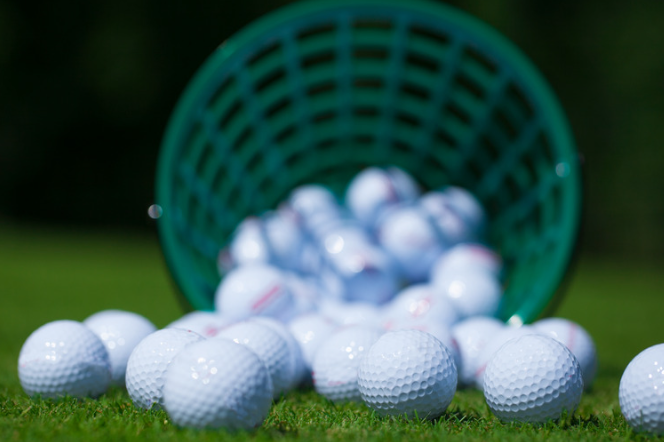

Choosing the best golf balls for beginners can make a noticeable difference in distance, accuracy, and confidence. While many new golfers focus on clubs, the golf ball plays a major role in overall performance. In fact, the right ball can help reduce slices, increase carry distance, and improve feel around the greens.
Beginners often lose balls frequently, so durability and affordability also matter. However, performance should not be ignored. With the right combination of low compression, reduced spin, and forgiving flight, you can see improvement without changing your swing.
Here’s what to look for and which models stand out.
What Beginners Should Look for in a Golf Ball
Low Compression
Compression refers to how much a ball compresses at impact. Beginners usually have slower swing speeds. Therefore, low-compression balls compress more easily and generate better distance.
Most of the best golf balls for beginners have compression ratings between 40 and 70. These balls launch higher and feel softer off the clubface.
Low Driver Spin
High spin may sound appealing, but it often increases slices and hooks. Beginners benefit from lower spin off the driver because it promotes straighter shots.
Balls designed to reduce side spin help minimize severe curves. As a result, more drives stay in play.
Durability
New golfers tend to hit more trees, cart paths, and hazards. Durable ionomer covers resist scuffs and cuts. This helps the ball last longer and saves money.
Affordable Pricing
Since beginners lose more balls, premium tour-level models may not make financial sense. Fortunately, many budget-friendly balls still deliver strong performance.
Top Best Golf Balls for Beginners
Callaway Supersoft
Callaway Supersoft remains one of the most popular options for new golfers. It features ultra-low compression, which increases distance for slower swing speeds.
Additionally, it reduces side spin, helping straighten drives. The soft feel also improves confidence on short shots.
Titleist TruFeel
Titleist TruFeel offers a balance of distance and soft feel. While not as low compression as Supersoft, it still supports moderate swing speeds.
Because it provides reliable consistency and durability, many consider it among the best golf balls for beginners seeking brand reliability.
Srixon Soft Feel
Srixon Soft Feel combines low compression with solid durability. It produces high launch and stable ball flight.
Beginners often notice improved carry distance without sacrificing feel around the greens.
Bridgestone e6
The Bridgestone e6 focuses on straight distance. Its low spin design minimizes hooks and slices.
If accuracy off the tee is your main goal, this ball stands out as one of the best golf balls for beginners who struggle with side spin.
TaylorMade Distance+
TaylorMade Distance+ emphasizes value and durability. It delivers solid carry and reduced spin at a budget-friendly price.
For beginners who prioritize affordability while improving performance, this is a strong option.
Two-Piece vs Multi-Layer Balls for Beginners
Most beginners benefit from two-piece construction. These balls feature a large core and durable cover, maximizing distance and forgiveness.
Multi-layer balls provide more spin control but are typically designed for advanced players with faster swing speeds.
For most new golfers, two-piece models rank among the best golf balls for beginners because they simplify performance and reduce cost.
How the Right Ball Improves Your Game
More Distance Without Swing Changes
Low-compression balls help maximize energy transfer. As a result, you gain extra carry without swinging harder.
Straighter Drives
Reduced spin designs minimize side curvature. Consequently, more tee shots stay in the fairway.
Better Feel Around the Green
Softer balls provide improved touch on chips and putts. This builds confidence in the short game.
Choosing the best golf balls for beginners supports improvement in multiple areas simultaneously.
Common Mistakes Beginners Make
One mistake is buying the same tour ball professionals use. These balls require high swing speeds to perform properly.
Another mistake involves switching balls every round. Consistency matters. Once you find a ball that works, stick with it to build feel and familiarity.
Additionally, ignoring compression ratings can limit performance gains.
When to Upgrade Your Golf Ball
As your swing speed increases and ball striking improves, you may benefit from multi-layer or urethane-covered balls.
If you begin shaping shots intentionally or generating more spin, upgrading makes sense. However, most beginners should prioritize forgiveness first.
The best golf balls for beginners focus on distance, durability, and straight flight rather than advanced spin control.
Tips for Testing Golf Balls
Instead of buying multiple dozens immediately, purchase sleeves of different models.
Play several rounds with each. Pay attention to distance, ball flight, and feel on chips and putts.
Choose the ball that gives you the most consistent results. Personal performance matters more than brand reputation.
Final Thoughts
The best golf balls for beginners combine low compression, reduced spin, durability, and affordability. Models like Callaway Supersoft, Bridgestone e6, and Srixon Soft Feel consistently help new golfers gain distance and accuracy.
Rather than focusing on premium tour balls, select one that matches your swing speed and skill level. With the right ball in play, you will see straighter drives, better feel, and improved confidence.
Small equipment adjustments can make a big difference. Start with the right golf ball, and let your performance grow from there.
FAQ
- What compression is best for beginners?
Low compression balls between 40 and 70 work best for slower swing speeds. - Do golf balls really affect distance?
Yes, the right compression and core design can increase carry distance noticeably. - Should beginners use premium tour balls?
Most beginners benefit more from low-spin, forgiving two-piece balls. - How often should beginners replace golf balls?
Replace balls when they become scuffed or after losing them, which is common early on. - Can changing golf balls help reduce a slice?
Yes, lower spin balls can help reduce side curvature and keep drives straighter.