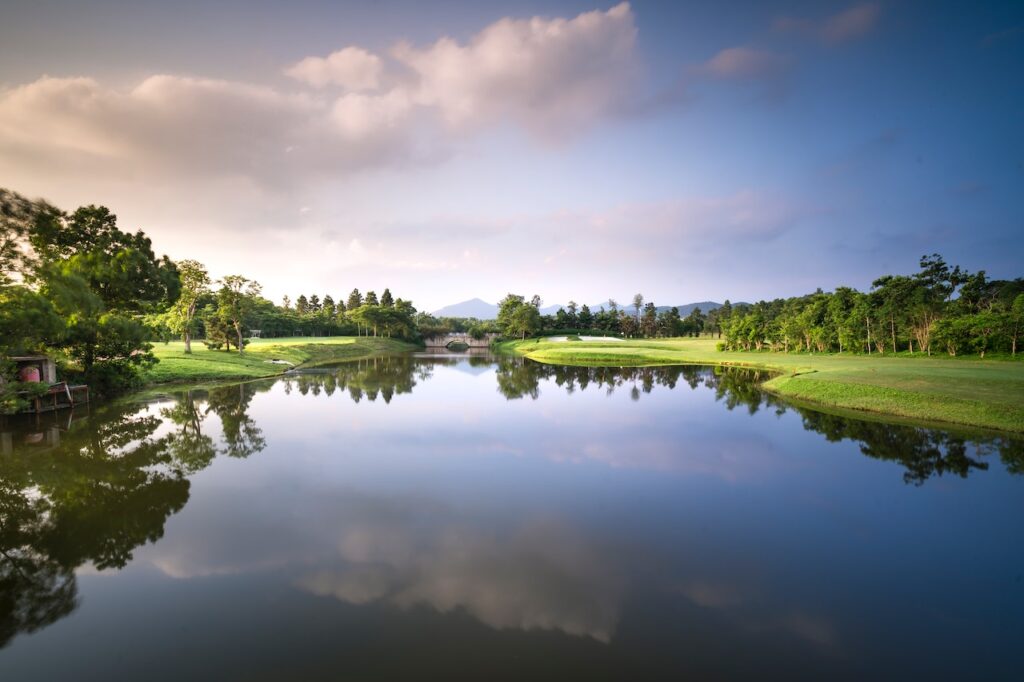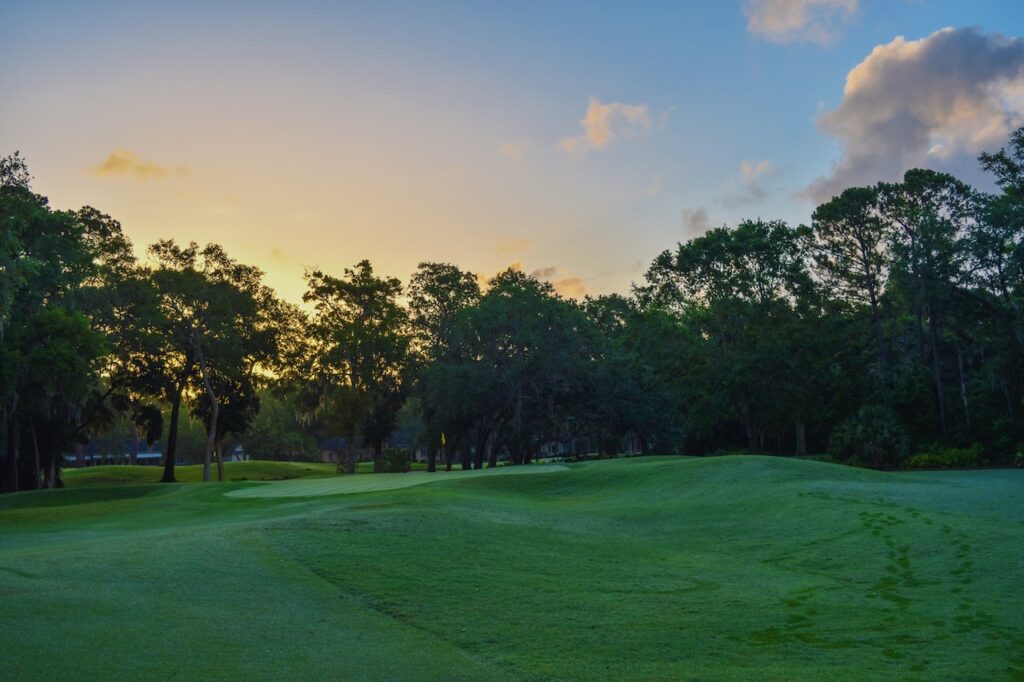
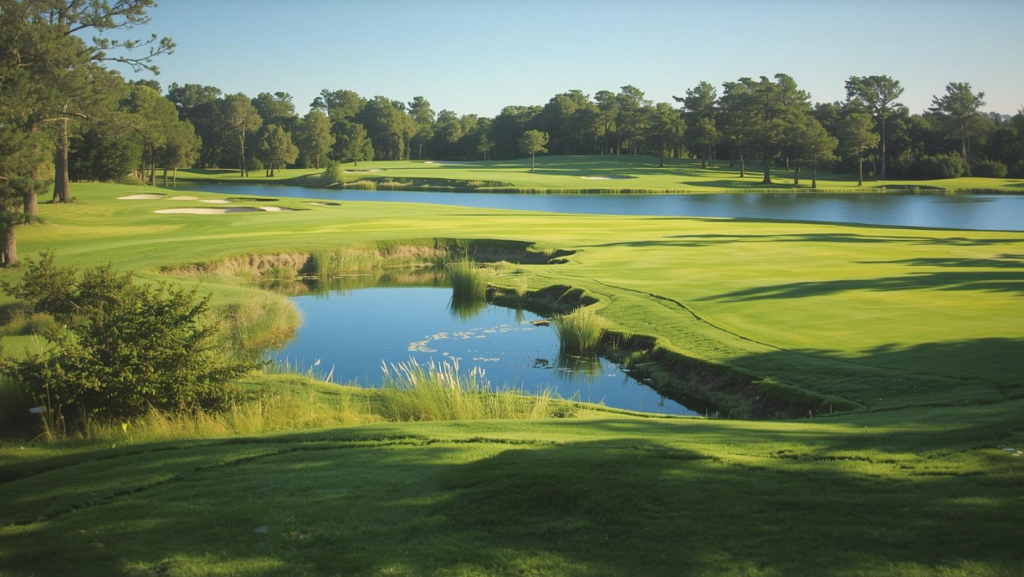
The best public golf courses in the U.S. prove that unforgettable golf experiences do not require private memberships or exclusive invitations. Across the country, publicly accessible layouts deliver dramatic scenery, legendary architecture, and meaningful challenge. As a result, everyday golfers get to experience courses that rival the world’s most famous private clubs.
For many players, public golf represents freedom. You book a tee time, arrive with your clubs, and step onto the course. There are no gates or approval processes. Instead, there is opportunity. Moreover, many of these courses sit on extraordinary land, shaped by coastlines, dunes, and rolling terrain that naturally enhance the game.
Because accessibility fuels passion, public golf continues to shape the sport’s identity. Beginners learn here. Travelers explore here. Lifelong memories are created here. In many ways, this is where golf truly lives.
Why the Best Public Golf Courses Matter
Public golf courses form the backbone of the game. Without them, golf becomes smaller and less inclusive. With them, the sport grows stronger and more vibrant.
The best public golf courses offer far more than open tee sheets. They create shared experiences and lasting impressions. Consequently, golfers from all backgrounds can test themselves on championship-caliber designs without exclusion.
Although private clubs often dominate rankings, public courses frequently rival them in quality. In fact, many were designed by the same legendary architects. Because of this, public does not mean second-tier. Instead, it often means inspiring, welcoming, and unforgettable.
Pebble Beach and the Benchmark for Public Golf
Pebble Beach Golf Links stands as the most recognizable public course in the United States. Its reputation is global, yet access remains possible for anyone willing to plan ahead.
Along California’s rugged coastline, Pebble Beach delivers visual drama on nearly every hole. Ocean waves crash nearby, while cliffs frame precision shots. At the same time, the sound of the Pacific follows golfers throughout the round.
While the scenery captures attention, the golf demands focus. Greens are small, approaches must be exact, and wind adds complexity. For that reason, Pebble Beach earns its place among the best public golf courses through both beauty and challenge.
Bethpage Black and Unfiltered Difficulty
Bethpage Black offers a completely different experience. It is bold, demanding, and brutally honest.
From the famous warning sign at the first tee, golfers understand what lies ahead. Fairways require commitment. Rough punishes hesitation. Greens reward precision. Still, the course remains fair throughout.
As one of the best public golf courses in the U.S., Bethpage Black proves that accessibility and championship difficulty can coexist. Every par feels earned, and every mistake offers a lesson. That honesty defines its appeal.
Bandon Dunes and the Return to Pure Golf
Bandon Dunes reshaped how golfers view public destinations. Instead of chasing luxury, it embraced authenticity.
Situated along Oregon’s remote coastline, Bandon offers multiple elite courses open to the public. Firm fairways encourage creativity, while wind influences every decision. Additionally, the ground game becomes essential again.
Because walking is encouraged and distractions are minimal, focus returns to the game itself. In this way, Bandon Dunes shows what the best public golf courses can become when tradition and access align.
Whistling Straits and Championship Ambition
Whistling Straits feels European in spirit but unmistakably American in scale. Stretching along Lake Michigan, the course delivers visual intimidation paired with strategic depth.
Pete Dye’s design uses dramatic bunkering and elevation to challenge perception. However, thoughtful strategy matters far more than raw power. Choosing the correct line often determines success.
Despite hosting major championships, Whistling Straits remains publicly accessible. Therefore, it stands as proof that elite golf does not require exclusivity.
Torrey Pines and Coastal Golf for Everyone
Torrey Pines offers something increasingly rare: world-class golf inside a major city. Overlooking the Pacific Ocean, it combines stunning scenery with demanding play.
The South Course, in particular, tests even elite players. Length plays a role, yet precision ultimately decides outcomes. Meanwhile, public access defines the atmosphere.
Because locals and visitors share tee times, Torrey Pines feels inclusive and iconic. Among the best public golf courses, it blends history, beauty, and access seamlessly.
Pinehurst No. 2 and Strategic Restraint
Pinehurst No. 2 teaches patience rather than power. Donald Ross designed it to reward thoughtful decision-making.
Here, greens define the challenge. Subtle slopes repel careless approaches, and position matters more than distance. Following its restoration, natural aesthetics replaced heavy rough, restoring original intent.
As a public venue, Pinehurst No. 2 remains welcoming yet exacting. Consequently, it demonstrates how simplicity can challenge golfers at the highest level.
TPC Sawgrass and the Theater of Competition
TPC Sawgrass delivers drama without sacrificing substance. Designed to test nerve and precision, it challenges golfers mentally on every hole.
The island green at the 17th hole draws global attention. Fear and excitement collide in a single swing. Nevertheless, the remaining holes demand equal focus and control.
Although it hosts elite tournaments, TPC Sawgrass remains open to the public. That accessibility strengthens its place among the best public golf courses in America.
Kiawah Island Ocean Course and Natural Intensity
The Ocean Course at Kiawah Island feels expansive and exposed. Wind dominates strategy, shaping each shot differently.
Stretching along the Atlantic coastline, the layout interacts constantly with nature. As a result, conditions change from hole to hole and round to round.
Public access allows golfers to test themselves against one of nature’s toughest designs. That combination of beauty and intensity defines its lasting appeal.
Sand Valley and Modern Public Design
Sand Valley represents a modern evolution of public golf. Minimalist architecture allows the land to speak.
Built on sandy terrain in Wisconsin, the course features rolling fairways and imaginative greens. Walking is encouraged, which creates a relaxed pace.
Rather than intimidating players, Sand Valley invites creativity. Because of this approach, it stands out among the best public golf courses for enjoyment and replay value.
Erin Hills and the Power of Scale
Erin Hills offers a sense of vastness that few courses match. Fairways stretch wide, while greens demand precision. Meanwhile, wind introduces constant variety.
Walking the course feels like an expedition across natural terrain. Each hole presents a distinct challenge shaped by the landscape.
As a public course that has hosted major championships, Erin Hills balances grandeur with accessibility. That balance makes it memorable.
Mammoth Dunes and Playful Excellence
Mammoth Dunes celebrates bold, joyful golf. Wide fairways encourage aggression, while massive greens reward imagination.
Designed with fun in mind, the course adapts well to all skill levels. Therefore, golfers often leave smiling regardless of score.
Among the best public golf courses, Mammoth Dunes proves that quality and enjoyment can thrive together.
Architecture and the Strength of Public Golf
Great design defines great public courses. Architecture replaces exclusivity as the primary draw.
Natural contours shape strategy, while greens influence scoring decisions. Hazards challenge thinking rather than punish mistakes.
Architects such as Ross, Dye, and Coore & Crenshaw understood this balance. Consequently, their public courses continue to endure.
Accessibility and the Future of the Game
Public courses drive golf’s growth. They welcome new players and sustain long-term interest.
The best public golf courses inspire future generations by offering memorable experiences without barriers. Because access creates opportunity, the game thrives.
When golf is open, it remains relevant.
Travel and the Public Golf Experience
Golf travel often revolves around public destinations. Resorts and regions develop around accessible courses.
As public access encourages exploration, golfers discover new landscapes and cultures. These journeys enrich the overall experience.
Many of the best public golf courses ultimately become anchors for unforgettable trips.
What Truly Defines a Great Public Course
A great public course balances challenge, beauty, and playability. It welcomes golfers without lowering standards.
It respects time, effort, and curiosity. In turn, it rewards smart decisions.
Most importantly, it leaves a lasting impression.
Conclusion
The best public golf courses in the U.S. prove that extraordinary golf belongs to everyone. From dramatic coastlines to rolling inland dunes, these courses deliver world-class experiences without exclusivity. They combine iconic design, natural beauty, and genuine access.
Public golf represents the heart of the game. It invites participation, fuels passion, and builds community. Whether you seek challenge, scenery, or pure enjoyment, these courses deliver. Great golf should be shared, and these destinations ensure it always will be.
FAQ
1. What is the best public golf course in the U.S.?
Pebble Beach is often ranked first due to its history, design, and setting.
2. Are public golf courses harder than private ones?
Difficulty varies; however, many public courses rival private clubs in challenge.
3. Can anyone play these public courses?
Yes, although advance booking and higher green fees are common.
4. Do public courses host major championships?
Yes. Bethpage Black and Pinehurst No. 2 have both hosted majors.
5. Are public golf courses suitable for beginners?
Many offer multiple tee options, making them accessible for all skill levels.