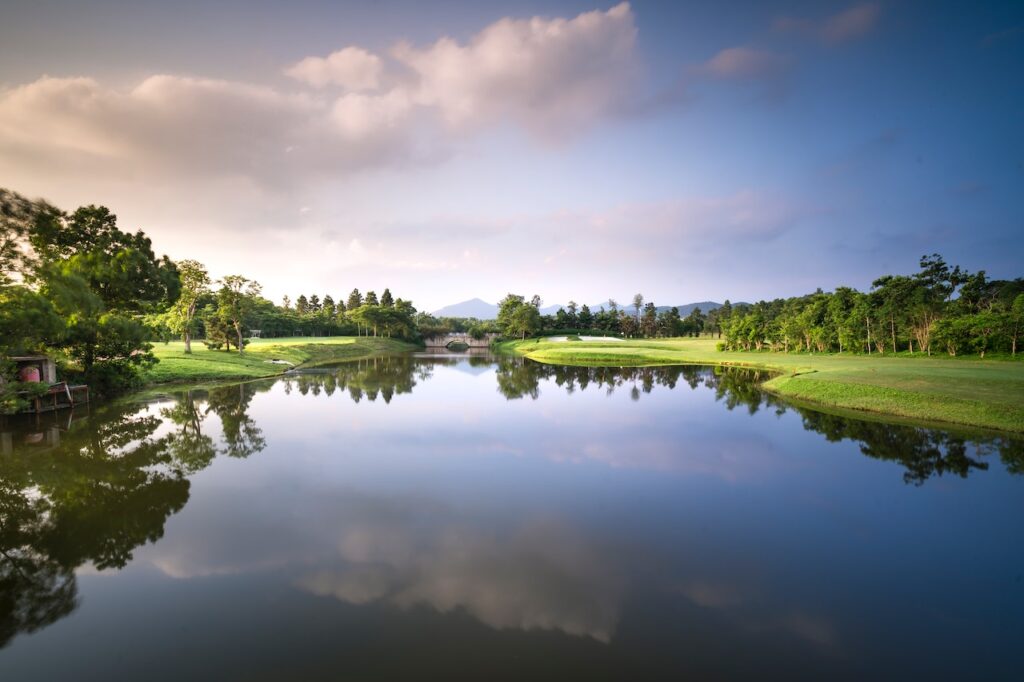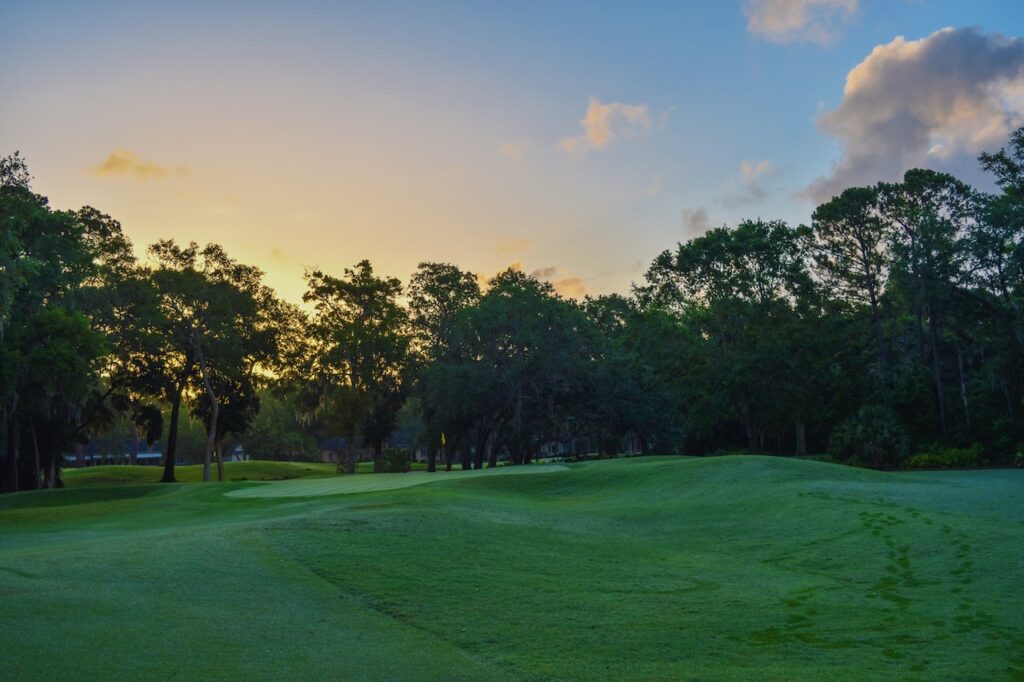

Golf in Europe feels different. The game unfolds across centuries-old landscapes, rugged coastlines, rolling countryside, and dramatic mountain backdrops. Unlike purpose-built resort destinations, many European courses feel woven into nature itself. Wind, light, history, and terrain all play a role. That’s why scenic golf courses Europe offers leave such a lasting impression.
Here, golf is rarely just about scorecards. It’s about walking ancient links where the sea roars beside you. It’s about teeing off beneath castles, vineyards, and snow-capped peaks. Every round feels like a journey, not just a game. If you value atmosphere as much as architecture, Europe delivers in ways few places can match.
What follows is a deep exploration of the most scenic golf courses Europe has to offer, spanning iconic links, breathtaking parkland, and unforgettable mountain layouts.
Why Scenic Golf Courses Europe Feel So Unique
Europe’s golfing beauty comes from restraint rather than excess. Courses often follow natural contours instead of reshaping them. Architects worked with the land, not against it.
As a result, scenery feels authentic. Cliffs aren’t decorative. They’re dangerous. Hills aren’t ornamental. They influence every shot. Meanwhile, weather constantly reshapes the experience. Sun, mist, wind, and rain all add texture.
Because of this, scenic golf courses Europe provides don’t rely on spectacle alone. They deliver immersion. You don’t just see the landscape. You feel part of it.
The Old Course at St Andrews, Scotland
No list of scenic golf courses Europe can begin anywhere else.
The Old Course at St Andrews is understated yet powerful. Rolling fairways stretch toward the North Sea. The Swilcan Bridge anchors centuries of history. Light shifts constantly across the links.
There are no trees framing holes. Instead, the horizon dominates. Wind dictates strategy. Subtle undulations test touch and creativity.
While dramatic cliffs aren’t present, the emotional scenery is unmatched. You’re playing where the game itself took shape. That sense of place elevates every shot.
Royal County Down, Northern Ireland
Royal County Down sits beneath the Mourne Mountains, creating one of golf’s most stunning natural settings.
From the opening tee, mountains rise behind dunes. The Irish Sea glimmers alongside the course. Gorse frames fairways with golden intensity.
The contrast is striking. Wild dunes meet disciplined design. Beauty meets brutality.
Many consider it the most scenic links course in the world. It’s not hard to see why.
Old Head Golf Links, Ireland
Old Head feels almost unreal.
The course occupies a narrow peninsula surrounded by sheer cliffs dropping hundreds of feet into the Atlantic. Waves crash below nearly every hole.
There’s no escaping the scenery. Ocean views dominate every direction. Wind amplifies the drama.
While some debate architectural purity, no one debates visual impact. Old Head stands among the most scenic golf courses Europe can offer, purely on location alone.
Kingsbarns Golf Links, Scotland
Kingsbarns proves modern courses can still feel timeless.
Located along Scotland’s east coast, Kingsbarns delivers sweeping sea views on nearly every hole. Fairways roll naturally. Greens perch above beaches and rocky shores.
Unlike traditional links, Kingsbarns feels more generous. However, the scenery remains relentless.
Sunset rounds here feel cinematic. Light dances across water and turf. Few courses combine playability and beauty so seamlessly.
Turnberry (Ailsa Course), Scotland
Turnberry blends grandeur with menace.
The Ailsa Course hugs Scotland’s southwest coastline. The iconic lighthouse anchors the view. Cliffs rise sharply above crashing waves.
On clear days, Ailsa Craig looms offshore. The scale feels immense.
Turnberry’s beauty comes with teeth. Wind howls. Precision matters. Still, the setting distracts even the most focused players.
Among scenic golf courses Europe showcases, Turnberry remains unforgettable.
Cabot Cliffs (Scotland’s Modern Rival)
Although Cabot Cliffs is often associated with Canada, Europe’s response lies in similar cliffside ambition.
Courses like Trump Turnberry’s newer layouts and Cruden Bay echo this drama. Scotland understands coastal theater.
Europe continues to produce visually stunning modern links without abandoning tradition.
Cruden Bay, Scotland
Cruden Bay offers wild beauty.
Sand dunes rise sharply. Fairways twist unpredictably. The North Sea glints beyond.
The course feels raw. Untamed. Natural.
Architecturally eccentric, visually dramatic, and deeply memorable, Cruden Bay stands as a reminder that perfection isn’t required for beauty.
Royal Portrush, Northern Ireland
Royal Portrush combines history and spectacle.
The Dunluce Links features towering dunes, rugged coastline, and panoramic sea views. After hosting The Open Championship, its reputation soared further.
Each hole feels carved from chaos. Yet strategy emerges clearly.
Portrush belongs firmly among the most scenic golf courses Europe proudly claims.
Valderrama, Spain
Valderrama delivers a different kind of beauty.
Located in southern Spain, it offers manicured perfection framed by cork oak trees. Light filters through dense foliage. Fairways feel intimate.
Rather than dramatic views, Valderrama captivates through atmosphere and refinement.
It proves scenic golf courses Europe include elegance as well as drama.
Real Club Valderrama and Mediterranean Charm
Southern Europe introduces warmth and color.
Courses in Spain, Portugal, and Italy often blend lush greenery with sunlit skies. Olive trees, vineyards, and coastal breezes define the experience.
Scenery feels relaxed yet refined.
Monte Rei Golf & Country Club, Portugal
Monte Rei sits in Portugal’s Algarve region, offering rolling hills and Atlantic views.
Designed with restraint, the course flows naturally through the countryside. Mountains rise inland. Ocean air drifts across fairways.
Light plays a major role. Morning mist lifts slowly. Evenings glow gold.
Monte Rei delivers scenic beauty without overwhelming the game.
Vale do Lobo (Ocean Course), Portugal
The Ocean Course at Vale do Lobo provides one of Europe’s most photographed holes.
Cliffside par threes overlook the Atlantic. Fairways snake along dramatic edges.
The scenery feels bold and immediate. Ocean dominates the senses.
It’s a visual feast that defines coastal golf in southern Europe.
Le Golf National, France
Le Golf National proves championship venues can still be scenic.
Located near Paris, it offers wide-open views, water hazards, and modern design. While less natural than links, the setting still impresses.
Subtle elevation changes and expansive vistas create drama.
It shows that scenic golf courses Europe includes contemporary classics as well.
Château Golf Courses in France
France offers a unique blend of golf and history.
Courses like Chantilly and Fontainebleau weave through forests and estates. Castles loom nearby. Architecture feels refined.
Scenery here whispers rather than shouts.
Walking these courses feels like stepping into another era.
Fontainebleau Golf Course
Fontainebleau stands as one of Europe’s most beautiful parkland courses.
Tall pines line fairways. Sandy soil creates firm conditions. Light filters softly through trees.
The atmosphere feels calm and timeless.
Among scenic golf courses Europe offers inland, Fontainebleau remains a gem.
Marco Simone, Italy
Italy blends culture, cuisine, and golf seamlessly.
Marco Simone Golf Club, near Rome, offers rolling terrain and historic surroundings. Ancient aqueducts appear in the distance.
The Ryder Cup spotlight elevated its global profile. However, its scenic appeal always existed.
Playing golf beneath Roman skies feels special.
Dolomiti Golf Club, Italy
Northern Italy introduces alpine scenery.
Dolomiti Golf Club sits beneath dramatic mountains. Peaks tower above fairways. Air feels crisp and clean.
Scenery shifts with seasons. Spring blooms. Autumn glows.
Mountain golf offers tranquility unlike anywhere else.
Crans-sur-Sierre, Switzerland
Crans-sur-Sierre overlooks the Rhône Valley.
Snow-capped Alps frame every shot. Elevation creates stunning vistas.
Thin air adds distance. Views steal attention.
Among scenic golf courses Europe provides, few feel as elevated literally and figuratively.
Engelberg-Titlis Golf Club, Switzerland
This alpine course delivers postcard scenery.
Mountains rise sharply. Meadows surround fairways. Silence dominates.
Golf feels secondary to the environment. That’s a compliment.
Switzerland excels at scenic restraint.
Royal St George’s, England
Royal St George’s offers raw coastal beauty.
Dunes rise steeply. Fairways tilt unpredictably. The English Channel glimmers beyond.
The course feels rugged and demanding.
Its scenery reflects links golf at its most authentic.
Sunningdale, England
Sunningdale presents inland beauty.
Heathland, heather, and pine forests frame immaculate fairways. The setting feels elegant and peaceful.
Morning light enhances color contrast.
Sunningdale proves scenic golf courses Europe includes understated perfection.
Ireland’s West Coast Links
Ireland’s west coast deserves special mention.
Courses like Lahinch, Ballybunion, and Enniscrone deliver wild Atlantic scenery. Dunes tower. Wind roars.
These courses feel primal. Untamed.
Playing them feels like wrestling nature itself.
Lahinch Golf Club, Ireland
Lahinch combines eccentric design with jaw-dropping scenery.
Cliffs line holes. Blind shots add intrigue. The Atlantic looms constantly.
The course embraces unpredictability.
Scenery and character intertwine perfectly.
Ballybunion Old Course, Ireland
Ballybunion defines links beauty.
Massive dunes frame holes. Fairways twist organically. Ocean views dominate.
Few courses feel more alive.
It remains a benchmark among scenic golf courses Europe reveres.
Spain’s Mountain Courses
Spain’s interior introduces elevation.
Courses in regions like Andalusia and Catalonia blend hills, forests, and sun.
Scenery feels warm and inviting.
Golf here balances challenge and relaxation.
Why Scenic Golf Courses Europe Feel Timeless
European courses age gracefully.
Natural materials. Subtle shaping. Respect for land.
Rather than chasing trends, they preserve identity.
Scenery evolves without losing soul.
When to Play Europe’s Most Scenic Courses
Timing matters.
Spring offers color. Summer brings light. Autumn delivers contrast.
Weather influences mood dramatically.
Choosing the right season enhances the experience.
Walking vs Riding: Experiencing the Scenery
Walking reveals details.
You feel contours. Hear wind. Smell turf.
Scenic golf courses Europe rewards those who walk.
Immersion deepens with every step.
Photography vs Presence
Photos capture beauty. Presence captures emotion.
Many European courses defy photography. Their magic lives in movement and sound.
Being there matters.
How Scenery Influences Performance
Beauty distracts. Calm improves focus.
Some players thrive. Others struggle.
Scenery becomes part of the challenge.
Why Golf Travel in Europe Feels Richer
Golf fits into culture naturally.
Rounds blend with food, wine, and history.
Scenic golf courses Europe offer more than sport.
They offer experience.
Conclusion
Scenic golf courses Europe provides are unmatched in diversity, history, and atmosphere. From windswept Scottish links to sunlit Mediterranean fairways and alpine retreats, beauty shapes every round. These courses don’t simply host golf. They elevate it. When scenery and strategy combine, golf becomes more than a game. It becomes a journey worth remembering.
FAQ
1. What is the most scenic golf course in Europe?
Many consider Royal County Down or Old Head Golf Links the most scenic, depending on taste.
2. Are scenic golf courses in Europe difficult to play?
Often yes, because natural terrain and weather add challenge.
3. Can average golfers enjoy these courses?
Absolutely. Many scenic courses offer multiple tees for all skill levels.
4. What country has the most scenic golf courses in Europe?
Scotland and Ireland are often considered the most scenic overall.
5. Is walking recommended on scenic European courses?
Yes. Walking enhances immersion and appreciation of the landscape.