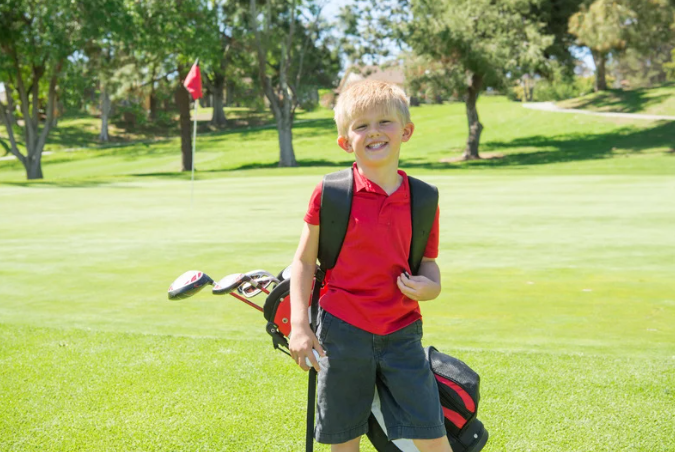
Parents want to give their junior golfers the best chance to succeed, yet many overlook one of the most important pieces of a young player’s development: properly fitted clubs. It’s easy to assume juniors can simply grow into adult-sized clubs or adapt to whatever hand-me-down set is available. However, that assumption usually creates more problems than parents realize. When clubs are too long, too heavy, or poorly matched to a child’s natural swing, the game becomes harder than it should be. Junior golfers begin adjusting their technique to fit the club instead of learning fundamentals correctly.
Because early habits shape a golfer’s future, properly fitted clubs make a bigger difference than most people expect. Young golfers gain confidence faster, develop better mechanics, and avoid unnecessary frustration. They also build repeatable swings instead of compensating for equipment that doesn’t fit. As a result, they enjoy the game more and improve more naturally.
This article explores why junior golf club fitting matters, how fitted clubs impact technique, and what parents should look for when choosing the right equipment.
The Importance of Junior Golf Club Fitting for Early Development
Junior golf club fitting supports long-term development by giving young players equipment they can swing comfortably. Golf is already one of the most technically demanding sports in the world. When juniors use clubs that don’t fit their height, strength, or tempo, the game becomes physically and mentally challenging.
Proper fitting addresses several major issues:
It prevents early swing flaws from forming.
It helps juniors strike the ball more consistently.
It improves their balance at address and impact.
It encourages better rhythm because the clubs feel easier to swing.
It boosts confidence because the game becomes more approachable.
When children experience early success, they become more motivated to practice. Because of that motivation, they build stronger fundamentals without even realizing it.
How Poorly Fitted Clubs Harm Junior Golfers
Parents often buy clubs that juniors will “grow into.” Although that seems practical, it usually holds young golfers back. Clubs that are too heavy or too long force kids to make awkward movements. They lean back, lift the club with their arms, and develop timing flaws that stay with them for years.
Too-Long Clubs Cause Balance Issues
Long clubs change a child’s posture dramatically. Kids struggle to reach the ball comfortably, so they bend or tilt in unnatural ways. As a result, their balance changes throughout the swing, making consistency nearly impossible.
Too-Heavy Clubs Slow Down Development
Weight matters just as much as length. Clubs that feel heavy limit speed, rhythm, and coordination. Since juniors don’t have the strength to manage extra weight, they end up swinging with tension instead of fluid motion.
Incorrect Lie Angles Create Directional Problems
Lie angle impacts direction. An incorrect lie angle forces junior golfers to manipulate the clubface to hit the ball straight. Over time, that manipulation turns into a forced habit that prevents natural improvement.
Adult Grips Restrict Proper Hand Action
Grips designed for adults make it harder for juniors to hold the club correctly. Kids squeeze harder than necessary, which reduces wrist movement and affects the release pattern. Because of this, many juniors struggle to generate natural speed.
When clubs fit poorly, juniors end up fighting the equipment instead of learning a repeatable motion.
Benefits of Proper Junior Golf Club Fitting
Proper junior golf club fitting gives young players equipment that works with their natural motion. As a result, learning becomes smoother and more enjoyable. Several benefits appear almost immediately.
Improved Swing Fundamentals
When clubs fit correctly, juniors stand naturally, rotate freely, and learn correct movement patterns. Because the equipment supports their rhythm, they begin developing proper sequencing without extra effort.
Better Contact and Ball Flight
Correct length and weight help kids strike the center of the face more often. Better contact boosts confidence quickly because kids see improvement right away. Additionally, predictable ball flight makes practice more rewarding.
More Consistent Tempo
Properly fitted clubs support natural tempo. Juniors learn to swing with balance, not tension. Over time, this consistency becomes one of their strongest advantages.
Reduced Risk of Injury
Clubs that are too long or too heavy increase stress on growing joints. With proper fitting, junior golfers reduce unnecessary strain on their backs, wrists, and elbows.
More Confidence and Enthusiasm
Kids enjoy activities they feel good at. Fitted clubs make success easier to experience, which leads to more excitement and a stronger connection to the game.
What Junior Golf Club Fitting Involves
A junior golf club fitting session is designed to understand a child’s natural movement. Because juniors grow quickly, fitters focus on fundamentals, flexibility, and comfort. Each measurement ensures the club supports—not limits—their development.
Height and Wrist-to-Floor Measurements
These basic measurements determine the proper starting length. Since kids vary in proportions, exact measurements matter more than age alone.
Swing Speed and Natural Tempo
Juniors swing with very different tempos. Some move quickly with light clubs, while others swing more smoothly with slightly heavier shafts. Fitters find the shaft weight that matches a child’s natural rhythm.
Lie Angle Considerations
Although lie angles may need adjusting as juniors grow, starting with a comfortable angle is essential for direction control.
Grip Size and Material Selection
Junior grips are thinner, softer, and easier to hold. Therefore, they help young golfers maintain a relaxed and natural hand position.
Because these elements work together, a proper fitting session helps juniors build good habits from the first swings.
Why Junior Clubs Are Not Just “Shortened Adult Clubs”
Many parents assume junior clubs are smaller versions of adult sets. In reality, junior clubs are specifically engineered for developmental needs. They have lighter shafts, more flexible materials, and clubheads designed for easier launch.
Shortened adult clubs still weigh too much, feel too stiff, and force poor movement patterns. Therefore, using true junior-specific equipment is essential if you want young players to develop safely and correctly.
How Fitting Supports Long-Term Player Development
Junior golf club fitting is more than a short-term upgrade. It sets players on a long-term path. Kids who start with well-fitted equipment often grow into the game with smoother, more efficient movements. Because they avoid early compensations, their swings evolve naturally.
Over the years, fitted clubs help juniors:
Build stable posture
Develop balanced rotation
Produce consistent ball-striking
Maintain smoother tempo
Learn course management more easily
As their bodies grow, fitters make incremental adjustments. These small changes ensure juniors continue playing with clubs that match both their size and skill level.
How Often Junior Golfers Should Be Fitted
Kids grow quickly, so junior golf club fitting should be updated regularly. Most parents schedule a fitting once per year, although some kids benefit from adjustments every six to nine months. Growth spurts drastically change posture and reach, which can throw off a child’s mechanics.
Parents should schedule a new fitting if:
Their child’s contact suddenly worsens.
Shots begin flying left or right more often.
The club feels heavy or awkward.
Their child grows significantly in height.
Timely adjustments prevent bad habits from forming.
How Parents Can Choose the Right Junior Golf Clubs
Parents often feel overwhelmed when shopping for junior clubs. Fortunately, several guidelines make the decision easier.
Choose clubs designed for juniors, not cut-down adult sets.
Look for lightweight graphite shafts.
Select flexible shafts that match swing speed.
Ensure grip size fits the child’s hands.
Pick forgiving clubheads with wide soles.
Avoid sets that are too large or too advanced.
Although it may feel practical to choose equipment a child will “grow into,” it usually slows development and reduces enjoyment.
Signs Properly Fitted Clubs Are Working
Parents often notice improvements quickly. Better posture appears within a few swings. Ball contact becomes more solid. Additionally, juniors swing with more freedom and less strain. Because the game becomes easier, children show more enthusiasm and confidence during practice and on the course.
Proper fitting also encourages kids to focus more on learning the game rather than fighting their equipment. When juniors feel comfortable, they ask better questions, experiment with shots, and build stronger skills.
Conclusion
Junior golf club fitting gives young players the tools they need to develop naturally, confidently, and safely. When clubs match a child’s height, strength, and tempo, the game becomes more enjoyable. Better equipment leads to stronger fundamentals, smoother tempo, and more consistent improvement. Whether your child is brand new to the sport or already showing promise, properly fitted clubs help them build a foundation that lasts a lifetime.
FAQ
1. At what age should a child get fitted for golf clubs?
Kids as young as five can benefit, especially if they show interest or have trouble swinging standard junior clubs.
2. How often should junior golfers be refitted?
Most juniors need a fitting once per year, although fast-growing players may need adjustments every six to nine months.
3. Are junior clubs really different from adult clubs?
Yes. Junior clubs are lighter, more flexible, and designed specifically for young golfers’ bodies and swing speeds.
4. Can a child use adult clubs cut down to size?
Not recommended. Cut-down adult clubs remain too heavy and stiff for juniors, which leads to poor swing habits.
5. Do fitted clubs help juniors improve faster?
Absolutely. Properly fitted clubs support natural movement, improve confidence, and help kids develop better fundamentals over time.