
Introduction
Golfers often talk about “feeling” the right tempo, but feeling alone doesn’t always deliver consistency. That’s where technology comes in. With modern tools, you can now measure swing tempo accurately, analyze your rhythm, and make data-driven adjustments to your swing. Whether you’re a beginner or an experienced player, learning how to use technology to measure swing tempo can take your timing and control to a professional level.
Why Measuring Swing Tempo Matters
Swing tempo controls how well your motion stays in sync. If your backswing and downswing are out of rhythm, you’ll struggle with contact and consistency. Measuring tempo allows you to identify patterns — too fast, too slow, or inconsistent — so you can refine your timing with precision.
Understanding Swing Tempo Ratios
The most common tempo ratio for pros is 3:1 — meaning the backswing takes three times as long as the downswing. For example, if your backswing lasts 0.9 seconds, your downswing should take 0.3 seconds. Technology helps you record this timing accurately, revealing how close your swing matches the ideal rhythm.
Top Devices That Measure Swing Tempo
1. Blast Motion Swing Analyzer
This small sensor attaches to your club’s grip and connects to an app. It tracks tempo, timing, and even transition speed.
Why it’s great: Real-time feedback with a clean visual display of tempo ratios for each swing.
2. Garmin Approach R10
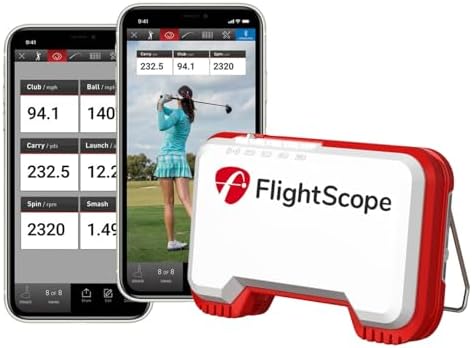
A portable launch monitor that not only measures ball data but also tracks swing tempo.
Pro feature: Combines tempo data with launch metrics so you can see how rhythm impacts ball flight.
3. Arccos Caddie Smart Sensors
These club sensors record every swing automatically during play.
Why it helps: You can analyze tempo consistency over multiple rounds, not just during practice.
4. Sportsbox AI or 3D Motion Apps
These use your phone’s camera and AI technology to create a 3D model of your swing.
Why it’s useful: You can visually analyze rhythm, sequencing, and movement timing without extra hardware.
How to Use a Swing Tempo Analyzer
- Attach or connect the device to your club or phone app.
- Take a few swings as you normally would.
- Review the data — look for your backswing and downswing times.
- Calculate your ratio (backswing ÷ downswing).
- Adjust and repeat until you achieve consistency near 3:1.
The more you practice with tempo feedback, the faster your rhythm becomes second nature.
Pairing Technology with Practice
Simply collecting numbers isn’t enough. Use your data to create a rhythm plan:
- If your downswing is too fast, work on smoother transitions.
- If your backswing is too slow, focus on building momentum earlier.
- Use drills that reinforce the rhythm shown in your analyzer readings.
Over time, these corrections translate directly to more consistent ball striking.
How Tempo Technology Improves Consistency
Technology removes guesswork. Instead of wondering why your shots feel off, you’ll know exactly where your tempo breaks down. You can track progress, compare swings from one session to another, and adjust in real time — just like professionals do.
Apps That Help Train Rhythm
- Tempo Golf App: Provides visual and audio feedback to groove your swing rhythm.
- Blast Connect: Stores all your tempo data and offers progress tracking over time.
- Coach’s Eye: Lets you record and overlay swings to compare tempo visually.
- V1 Golf: Combines video feedback with frame-by-frame tempo analysis.
These tools let you train anywhere — at the range, at home, or even in your backyard.
Using Smartwatches for Swing Tempo
Many modern smartwatches now feature swing tempo functions. Devices like the Garmin Approach S70 or Apple Watch with golf apps can capture motion data without external sensors. The convenience means you can check tempo instantly after every swing.
Combining Data with Feel
While technology provides numbers, your swing should still feel natural. The key is to blend data-driven awareness with physical feedback. Once you know your ideal tempo ratio, focus on replicating that rhythm through feel — not just reading numbers.
Common Mistakes When Using Technology
- Over-analyzing data: Don’t chase perfection; aim for repeatable results.
- Ignoring body mechanics: Tempo tools help timing, but your mechanics must stay sound.
- Inconsistent testing: Always measure under similar conditions for accurate data.
Use technology as a guide — not a crutch — to refine rhythm and build trust in your swing.
Conclusion
Technology has revolutionized how golfers train. Instead of guessing your rhythm, you can now measure swing tempo precisely and track improvement over time. Tools like swing analyzers, smart sensors, and mobile apps give instant feedback that turns timing into a measurable skill. The more you use these devices, the more consistent and confident your swing becomes.
Embrace the tools pros use, blend them with mindful practice, and watch your tempo — and your scores — improve.
FAQ
Q1: What is the best ratio for swing tempo?
Most pros maintain a 3:1 backswing-to-downswing ratio.
Q2: Do I need expensive tech to measure tempo?
No. Many smartphone apps now provide accurate tempo data for free or at low cost.
Q3: Can tempo analyzers help beginners?
Absolutely. Beginners benefit most by developing consistent rhythm early on.
Q4: How often should I measure my tempo?
Regularly — every few practice sessions helps monitor and maintain rhythm.
Q5: Does measuring tempo also help short game?
Yes. Smooth tempo improves putting, chipping, and wedge play consistency.