The Future of Swing Tempo Training
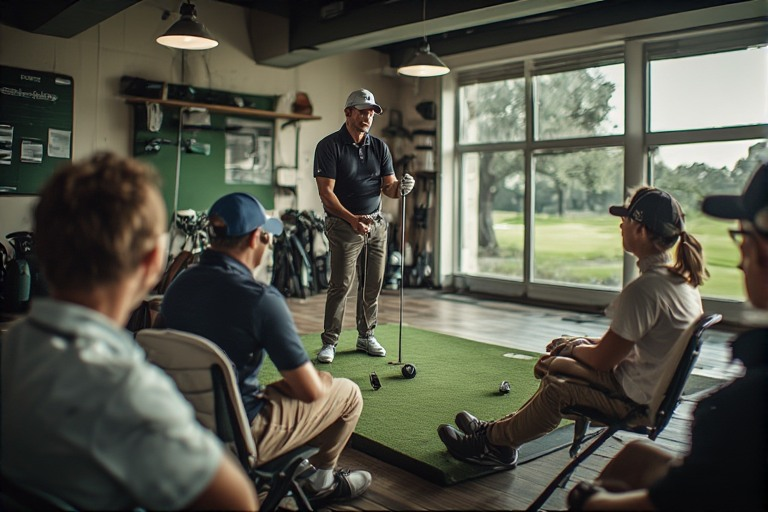
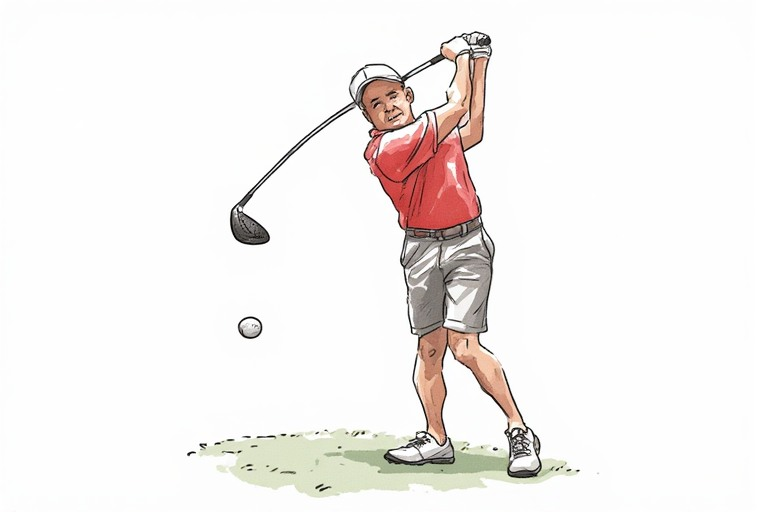
Tempo has always separated smooth ball strikers from inconsistent hitters. You can study mechanics endlessly. You can tweak grip and posture for years. However, if your rhythm breaks down under pressure, performance suffers. For decades, swing tempo training relied on feel, repetition, and simple counting drills. Coaches would say, “Slow it down,” or “Keep it smooth.” While helpful, those instructions lacked measurable precision. Now, the future of swing tempo training is changing. Technology, data analytics, wearable devices, and artificial intelligence are transforming rhythm from a vague concept into a measurable skill. Golf is entering an era where tempo is not guessed—it is tracked, trained, and optimized. Why Swing Tempo Has Always Been Critical Swing tempo is the timing relationship between your backswing and downswing. Most elite players maintain a consistent ratio, often close to 3:1. For example, if the backswing takes three counts, the downswing takes one. This rhythm creates proper sequencing. Hips lead. Arms follow. The club releases naturally. When tempo becomes erratic, common issues appear: Therefore, swing tempo training remains foundational to consistent performance. However, traditional tempo training relied heavily on feel. That is where innovation now steps in. The Rise of Data-Driven Swing Tempo Training Technology has reshaped nearly every part of golf. Swing tempo training is no exception. Launch monitors once focused primarily on ball data. Today, they also measure swing timing, sequencing, and transition speed. Motion capture systems track: Instead of guessing whether you rushed your swing, data now confirms it instantly. With objective feedback, adjustments become more precise. Wearable Technology and Real-Time Feedback One of the most exciting developments in swing tempo training involves wearable sensors. Small devices attached to gloves, wrists, or shafts now provide real-time tempo analysis. Some devices vibrate when tempo falls outside a preset range. Others sync with smartphone apps, offering immediate rhythm scoring. This real-time correction accelerates learning. Rather than waiting for a coach to observe inconsistency, players receive instant cues during practice. As wearable tech becomes more affordable, tempo training will become accessible to recreational golfers—not just professionals. AI and Personalized Tempo Optimization Artificial intelligence is reshaping performance analysis across sports. In golf, AI systems now analyze thousands of swings to identify optimal tempo patterns based on swing speed, body type, and flexibility. Instead of prescribing a universal 3:1 ratio, AI can determine your personal ideal rhythm. For example: Future swing tempo training will become hyper-personalized rather than standardized. Virtual Reality and Immersive Practice Virtual reality is emerging as another frontier. VR training environments simulate on-course pressure. Golfers can practice maintaining tempo in competitive scenarios without leaving home. Pressure often disrupts rhythm. Therefore, immersive simulations help golfers stabilize tempo under stress. By training rhythm in lifelike situations, players develop mental resilience alongside physical consistency. The future of swing tempo training blends physical and psychological preparation seamlessly. Biomechanics and Tempo Efficiency Advanced biomechanics research is revealing how tempo affects energy transfer. Studies show that smoother transitions improve kinetic chain sequencing. When lower body initiates correctly, clubhead speed increases naturally. Interestingly, many players swing harder when tempo slows down properly. Future swing tempo training will integrate biomechanics more deeply, teaching players how rhythm improves efficiency—not just consistency. Sound and Rhythm Integration Auditory cues have long influenced tempo. Metronomes and counting drills remain effective. However, new apps now generate adaptive rhythm tracks tailored to individual swing speeds. Instead of static beats, these systems adjust tempo targets dynamically as swing characteristics change. Some training programs even integrate music with specific beats per minute that align with optimal swing rhythm. Sound-based tempo conditioning is becoming more sophisticated and personalized. The Role of Coaches in a Tech-Driven Era Technology enhances training. However, human coaching remains essential. Coaches interpret data contextually. They understand emotional patterns and physical limitations. The future of swing tempo training is not replacing instructors. Instead, it equips them with better tools. Coaches can now: Data strengthens coaching effectiveness rather than diminishing it. Training Tempo Under Pressure On the driving range, rhythm feels stable. On the 18th tee with a tight match, it often speeds up. Future swing tempo training increasingly focuses on pressure management. Biofeedback tools measure heart rate variability during swings. When stress increases, tempo often accelerates. Training programs now combine breathing exercises, mental rehearsal, and tempo monitoring. By managing stress physiology, golfers stabilize rhythm automatically. Tempo and Equipment Matching Interestingly, equipment design also influences tempo. Heavier shafts often promote smoother transitions. Lighter clubs may encourage rushing. In the future, fitting sessions may include tempo analysis as a primary metric. Instead of focusing solely on launch angle and spin, fitters may prioritize how club weight affects rhythm stability. Swing tempo training will integrate seamlessly with equipment optimization. Youth Development and Tempo Foundations Young golfers often develop quick, aggressive transitions. Modern training systems now emphasize tempo fundamentals early. By teaching rhythm awareness from the beginning, players build efficient sequencing habits that last decades. As junior development programs adopt tempo analytics, the next generation of golfers may demonstrate more consistent rhythm than ever before. Balancing Technology with Simplicity While innovation excites, simplicity remains powerful. Counting drills, smooth practice swings, and relaxed breathing will never disappear. The future of swing tempo training enhances these basics with measurable feedback. Technology provides awareness. However, feel still guides execution. The goal is harmony between intuition and data. What This Means for Everyday Golfers You do not need professional-level equipment to benefit. Even simple smartphone apps now track swing rhythm through audio analysis. Affordable sensors provide meaningful feedback. As accessibility increases, swing tempo training will become standard practice rather than advanced specialty. Consistency will no longer rely solely on natural talent. It will be developed deliberately. Conclusion: The Next Era of Swing Tempo Training Tempo has always been the invisible engine of a great swing. What is changing is how we train it. The future of swing tempo training combines wearable technology, AI analysis, biomechanics research, and immersive practice environments. Rhythm is becoming measurable, personalized, and pressure-tested. However, technology is only a tool. The true goal
The Future of Swing Tempo Training Read More »