
August 2025

Benefits of Custom Golf Club Fitting for Every Golfer

Introduction Have you ever hit a shot that felt perfect only to watch the ball veer off course? Chances are, the issue wasn’t your swing but your clubs. The truth is, the benefits of custom golf club fitting go far beyond what most golfers realize. Properly fitted clubs transform your game by improving accuracy, distance, and consistency—no matter your skill level. Why Custom Fitting Matters in Golf Golf is a sport of precision, where even tiny adjustments affect outcomes. Off-the-rack clubs may seem convenient, but they’re designed for “average” players. And let’s face it—there’s no such thing as an average golfer. Everyone has a unique body, swing speed, and playing style. That’s why custom fitting makes such a difference. The Science Behind Club Fitting Custom fitting relies on physics and biomechanics. Every golfer’s swing path, angle of attack, and release pattern are unique. When clubs match these traits, energy transfers efficiently from your swing to the ball. The result? More distance and straighter shots. How Equipment Influences Swing and Ball Flight Wrongly fitted clubs force compensations. Maybe you adjust your stance, grip tighter, or swing differently just to make the club work. Over time, these adjustments become bad habits. With custom clubs, your natural swing shines, leading to more consistent ball flights. Key Benefits of Custom Golf Club Fitting Improved Accuracy on Every Shot One of the biggest benefits of custom golf club fitting is accuracy. When your lie angle, shaft flex, and length are dialed in, shots start flying straighter. That means more fairways hit and more greens in regulation. Maximizing Distance Without More Effort Distance isn’t only about swing speed. If your shaft is too stiff, you lose power. If it’s too soft, shots balloon. Properly fitted clubs unlock hidden yards without extra effort. Suddenly, your 7-iron goes the distance it should. Consistency Across the Bag Ever wonder why your 8-iron and 9-iron seem to go the same distance? Poorly gapped lofts are often the cause. Custom fitting ensures consistent yardage gaps, so each club has a purpose. That makes club selection easier and smarter. Injury Prevention Through Proper Fit Ill-fitted clubs can strain your back, wrists, or shoulders. Too-short clubs make you hunch; too-heavy clubs tire your body. With properly fitted clubs, posture improves, swing feels natural, and injuries are less likely. Boosted Confidence and Mental Game Confidence is priceless in golf. When you know your clubs fit you perfectly, self-doubt fades. You can focus on execution instead of wondering, “Is this club right for me?” That peace of mind alone lowers scores. How Custom Golf Club Fitting Works The Professional Fitting Process Explained A custom fitting usually starts with an interview. The fitter asks about your game, goals, and challenges. Next, you hit shots while data is recorded using advanced tools. Based on the results, adjustments are made until the setup feels perfect. Technology Used in Modern Fittings Launch monitors, high-speed cameras, and swing analyzers provide data on launch angle, spin, ball speed, and dispersion. These insights reveal exactly which specs you need. Data Points Fitters Analyze Each data point guides fine-tuning, ensuring every club is matched to your swing. Essential Elements in Custom Club Fitting Club Length and Swing Comfort If a club is too long, it throws off your swing plane. Too short, and you crouch uncomfortably. The right length promotes natural posture and smooth contact. Lie Angle and Ball Direction Even one degree off can push shots left or right. A corrected lie angle ensures straighter ball flights and fewer directional misses. Shaft Flex and Swing Speed A stiff shaft limits distance for slow swingers. A soft shaft causes hooks for fast swingers. Matching shaft flex maximizes distance and accuracy. Loft Adjustments for Distance Control Proper loft ensures ideal launch and consistent gapping between clubs. No more guessing if your 6-iron overlaps with your 7-iron. Grip Size for Better Control Grips that are too small cause hooks. Too large, and you block shots. The right grip size balances wrist action for square impact. Clubhead Design for Your Swing Style Cavity backs, blades, or hybrids—clubhead design should match your needs. Game-improvement heads boost forgiveness, while players’ irons prioritize workability. Custom Fitting for Different Types of Golfers Beginners: Building the Right Foundation Beginners benefit immensely from fitted clubs. Starting with equipment that matches your body avoids bad habits and makes the game more enjoyable. Intermediate Golfers: Breaking Through Plateaus When you’ve played for a while, improvement slows. Custom clubs unlock new levels of performance by correcting subtle inefficiencies in your game. Low Handicappers: Precision and Performance Gains For skilled golfers, small tweaks make big differences. Fitted clubs sharpen precision and allow for advanced shot-shaping. Senior Golfers: Adapting to Changing Swing Speeds As swing speed decreases, fitted clubs restore distance and consistency. Lighter shafts and adjusted lofts help seniors stay competitive. Women Golfers: Clubs Designed for Swing Dynamics Women often have different swing speeds and body mechanics. Custom fitting ensures equipment is designed for these unique dynamics. Common Misconceptions About Custom Club Fitting “It’s Only for Professionals” False. Every golfer benefits, from beginners to pros. “It’s Too Expensive” While there’s an upfront cost, the long-term benefits outweigh it. Fewer mis-hits and lower scores save money on lost balls and frustration. “Off-the-Rack Clubs Work Fine” They might, but chances are they’re not optimized. Even small tweaks in lie angle or grip size make a huge difference. DIY Checks Before a Professional Fitting Ball Flight Patterns to Notice Consistently slicing or hooking? That’s often a fitting issue. Divot Shape and Turf Interaction Too deep or shallow divots reveal lie angle and swing path mismatches. Comfort Test at Address If a club feels awkward when you set up, specs are likely off. The Long-Term Value of Custom Fitting Lower Scores and Fewer Penalty Strokes Straighter shots and proper distances reduce wasted strokes. Better Practice Efficiency Instead of compensating for ill-fitted clubs, you can practice improving technique. Enjoying the Game More When equipment feels right, golf becomes more fun.

Benefits of Custom Golf Club Fitting for Every Golfer Read More »
How to Select the Right Irons for Your Swing Style

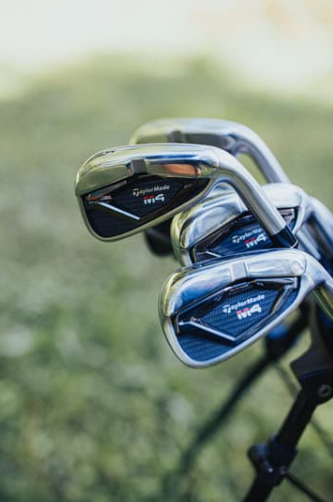
Introduction Every golfer knows the thrill of flushing an iron shot and the frustration of a mis-hit. But here’s the truth: it’s not always your swing at fault. More often than not, the irons in your bag determine how well you strike the ball. Learning how to select the right irons for your swing style can make the difference between inconsistent play and steady improvement. Why the Right Irons Matter Irons are used for nearly every type of shot—approaches, layups, punch-outs, and more. Because they’re so versatile, the wrong set of irons magnifies your weaknesses, while the right set enhances your natural swing style. Choosing correctly means more greens in regulation, tighter dispersion, and ultimately lower scores. Understanding Swing Styles Before selecting irons, identify your swing type: Knowing your swing style helps you pick irons designed to complement your motion. Forgiveness vs. Workability Game-Improvement Irons Best for beginners or high handicappers. They feature larger clubheads, wider soles, and perimeter weighting for forgiveness. Perfect if your priority is consistency. Players Irons Favored by low handicappers. They’re compact with thinner top lines and less offset, designed for precision and shot-shaping rather than forgiveness. Players Distance Irons A blend of both worlds. These offer some forgiveness while maintaining a sleek look and workable feel. Ideal for mid-handicappers looking to advance. Shaft Considerations The shaft is just as important as the head. Lie Angle and Accuracy Lie angle dictates direction. Too upright sends shots left, too flat pushes them right. Even a degree or two off can cost accuracy. A fitting ensures your irons sit square at impact, promoting straighter shots. Loft Gapping and Consistency Make sure the lofts between irons are consistent. Modern sets sometimes have stronger lofts, leading to distance overlaps. Proper gapping ensures each club covers a predictable yardage, preventing awkward distance gaps in your bag. Clubhead Design and Swing Style Grip Size and Comfort Grips that are too small cause overactive hands, leading to hooks. Too large, and you’ll block shots. The right grip size improves comfort, consistency, and control across all irons. Custom Fitting: The Smart Choice Professional fittings measure swing speed, ball flight, launch angle, spin, and strike location. With this data, a fitter can recommend the perfect iron specs for your swing style. Even small adjustments like lie angle or shaft weight can save strokes immediately. DIY Iron Selection Tips If you’re not ready for a full fitting, try these checks: The Confidence Factor When irons feel like an extension of your swing, confidence grows. You stop second-guessing and start trusting your mechanics. That mental edge is often the key to breaking through to the next handicap level. Conclusion Selecting the right irons for your swing style isn’t about buying what looks good—it’s about choosing equipment that complements your natural motion. With the right balance of forgiveness, shaft flex, and loft, you’ll hit more greens, control distance better, and gain confidence. In short, the right irons let your swing shine. FAQ Q1: Should beginners get fitted for irons?Yes. Starting with the right irons prevents bad habits and builds confidence early. Q2: What’s the difference between cavity backs and blades?Cavity backs are forgiving and easy to hit, while blades offer precision and workability for advanced players. Q3: Can shaft material affect my swing?Definitely. Graphite adds speed and distance, while steel gives control and feedback. Q4: How often should I replace irons?Every 5–7 years or when technology and your swing evolve. Q5: Can mixed iron sets help?Yes. Many golfers combine game-improvement long irons with players’ short irons for the best of both worlds.

How to Select the Right Irons for Your Swing Style Read More »

Swing Issues Caused by the Wrong Driver Fit

Introduction When golfers struggle off the tee, they often blame their swing. Yet in many cases, the real culprit is the driver itself. The wrong driver fit creates a host of swing issues that make consistency nearly impossible. From slices to hooks to weak ball flights, ill-fitted drivers sabotage distance and accuracy. The good news? With the right fit, those problems disappear, and your driver becomes a weapon instead of a liability. Why Driver Fitting Is Essential The driver is the longest, most powerful club in your bag—and the hardest to control. Because it’s used on nearly every par 4 and par 5, a poor driver fit compounds mistakes. The wrong loft, shaft, or head design changes your swing mechanics, forcing compensations that lead to bad habits. Conversely, a properly fitted driver works with your natural swing, helping you hit more fairways and reduce scores. Common Swing Issues From a Poor Driver Fit Slices Caused by the Wrong Shaft Flex If your shaft is too stiff, it won’t bend enough, leaving the face open at impact. The result is the dreaded slice. On the other hand, if the shaft is too flexible, timing becomes inconsistent, and you might hook the ball badly. Inconsistent Launch From Wrong Loft Loft determines launch angle. Too little loft produces low bullets that dive, while too much loft balloons shots into the air. Either way, distance suffers. Swing Plane Problems From Incorrect Length A driver that’s too long makes it harder to control the swing plane, often causing pushes, pulls, or off-center contact. Too short, and you crouch into an awkward posture that restricts power. Timing Issues From Poor Swing Weight When the driver is too heavy, your swing slows, and you can’t release properly. Too light, and you rush the swing, losing rhythm. Both cause inconsistent strikes and offline shots. How the Wrong Driver Creates Bad Habits Golfers naturally adapt to their equipment. If your driver doesn’t fit, you’ll subconsciously adjust your swing. That might mean changing grip pressure, altering stance, or manipulating the release. Over time, these “fixes” become ingrained habits that are hard to break, even after switching clubs. This is why getting fit early prevents long-term swing flaws. Distance Loss From Ill-Fitted Drivers It’s not just accuracy—you lose yards too. A poorly matched driver robs ball speed and reduces carry. Studies show that an incorrect shaft flex alone can cost 10–20 yards. Combine that with wrong loft or length, and you’re losing distance on nearly every tee shot. The Confidence Factor Confidence off the tee sets the tone for every hole. If you’re constantly fighting slices or mis-hits, frustration builds. With a fitted driver, you swing freely, trusting that the club will deliver. That mental shift often lowers scores as much as the physical improvements. Signs Your Driver Doesn’t Fit If any of these sound familiar, your driver is likely working against you. The Professional Driver Fitting Process During a fitting, experts analyze: Adjustments are then made to shaft flex, loft, lie angle, length, and head design. Once optimized, your swing feels effortless, and the ball flies straighter with more distance. DIY Driver Fit Checks Before a professional fitting, try these quick checks: These clues indicate whether your driver is helping—or hurting—your swing. Conclusion The wrong driver fit creates more than just bad shots—it builds bad habits. From slices to weak launches, every swing issue is magnified by mismatched equipment. Fortunately, a proper driver fitting can fix these problems quickly. With the right shaft, loft, and length, your swing becomes smoother, your confidence returns, and your scores begin to drop. FAQ Q1: Can a driver fitting fix my slice?Yes, a proper shaft flex and lie angle often corrects or reduces slices significantly. Q2: How much distance can I gain from a fitting?Most golfers gain 10–20 yards, plus straighter ball flights. Q3: Do beginners need a fitted driver?Absolutely. Beginners benefit because they won’t form bad habits compensating for poor equipment. Q4: How long does a fitting take?A professional driver fitting usually lasts 45–60 minutes. Q5: Should I get fitted before buying a new driver?Yes. A fitting ensures you choose the right driver for your swing instead of guessing.

Swing Issues Caused by the Wrong Driver Fit Read More »